
loader

Dietary and Oral Hygiene Counseling for Children

Home› Treatments› Dietary and Oral Hygiene Counseling for Children
Dietary and Oral Hygiene Counseling for Children Treatment
Reviewed by Dr. Seby Varghese

Fast Facts

99% say it's "Worth It"
300/- to 1000/-
Longevity: While sessions are relatively short in duration, its impact is long-term with consistency.
Duration: 10 to 30 minutes

Dietary and Oral Hygiene Counseling for Children

Good oral health begins with proper habits. Our counseling sessions teach children and parents how to maintain clean teeth and healthy gums through brushing, flossing, and smart food choices. We provide personalized tips to prevent cavities, reduce sugar intake, and build lifelong dental wellness in a fun, engaging way.

Ask Your Question
Share this page
What is Dietary and Oral Hygiene Counseling for Children?

Dietary and oral hygiene counseling for children is a preventive dentistry model that involves educating both the children and their caregivers about healthy eating practices and effective oral hygiene. Counseling is incredibly important for lowering the prevalence of dental caries, periodontal conditions, and development of oral health issues in a growing child. It addresses habits that can have an impact on teeth before the child's first tooth is present.

Why Is It Needed?

The goal of dietary and oral hygiene counseling is to help prevent disease before it starts. Children are particularly at risk of developing dental caries because they tend towards sugary foods and snacks, often do not have developing essential brushing habits, and may have caregivers who do not understand their responsibilities. This counselling also aims to:

  • Teach children and parents about tooth-aware diets.
  • Develop effective brushing and flossing habits.
  • Decrease the occurrence of early childhood caries.
  • Foster lifelong oral health behaviours.
  • Reduce future reliance on invasive treatment.

For the dental profession it is also important to utilise the counseling as an avenue for observation and modification of behaviours, personalized advice, and to connect children within a non-threatening, friendly platform of interaction. 

Who would want to know more?

This counseling session is designed for:

  • Infants and toddlers, particularly for their first dental visit around age 1.
  • Children who consume a lot of sugary food and drink, or have unhealthy oral hygiene habits.
  • Children who have multiple cavities or early signs of enamel demineralization.
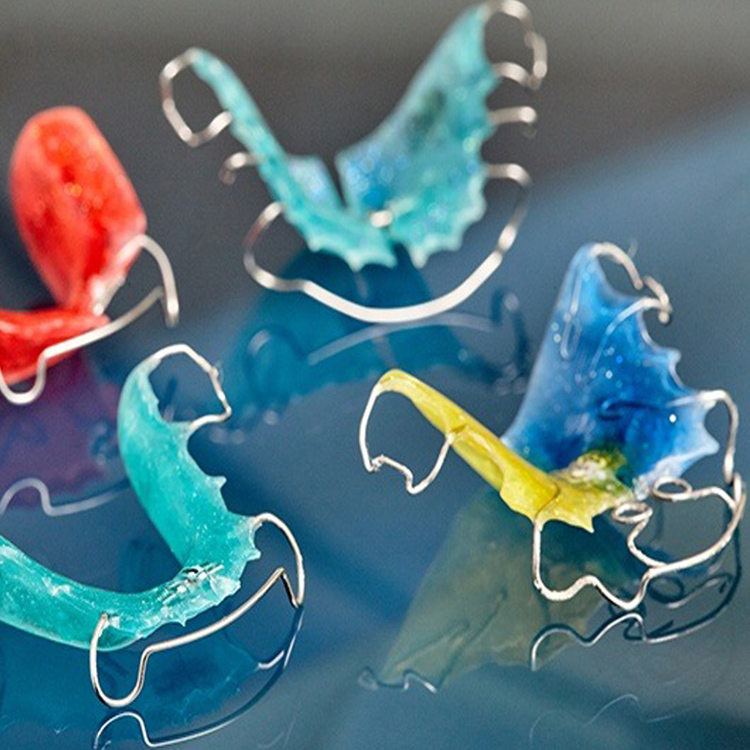
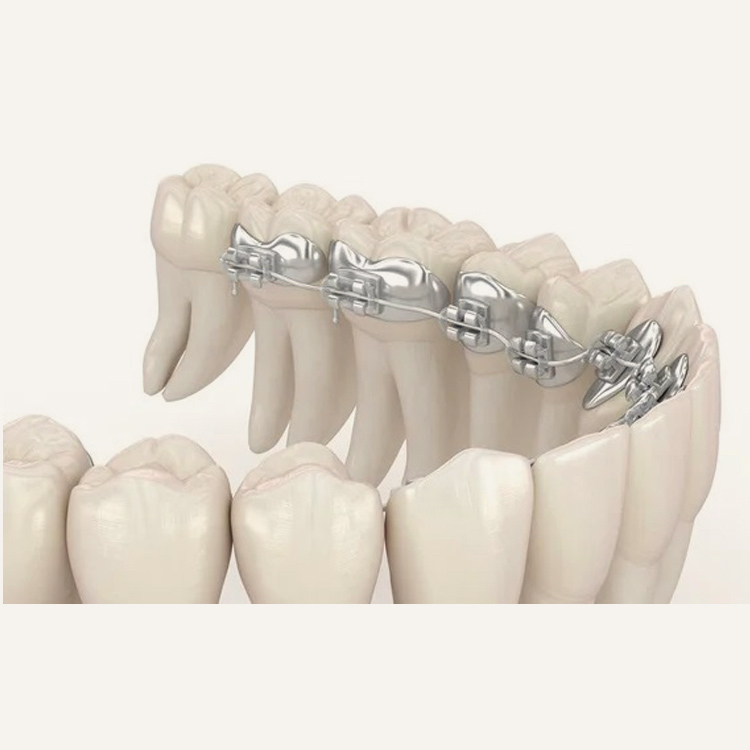
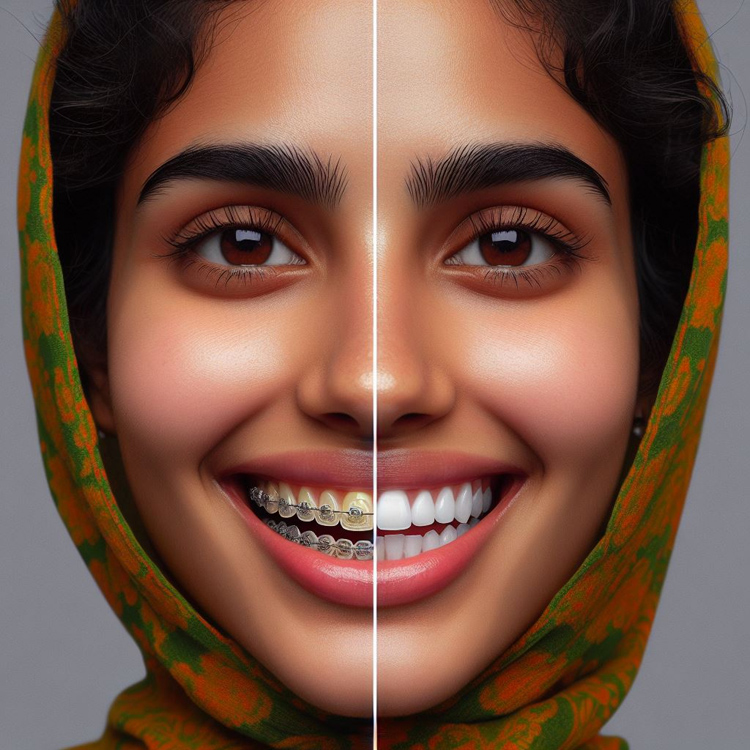
  • Children who wear braces or other orthodontic appliances.
  • Parents or caregivers who lack basic knowledge about dental-healthy nutrition for children or proper brushing techniques.
  • Children with special health care needs that may require an alternative plan for oral care.

In fact, all children should receive this preventive approach to oral healthcare, especially in their early years of life when habits are being established.


What are the Different Types?

Generally, there are two main components:

  • Dietary Counseling: Focuses on minimizing the intake of cariogenic foods, reducing sugary snacks, promoting a balanced diet that includes calcium, phosphorus, and Vitamin D, and giving advice on meal timing and frequency.
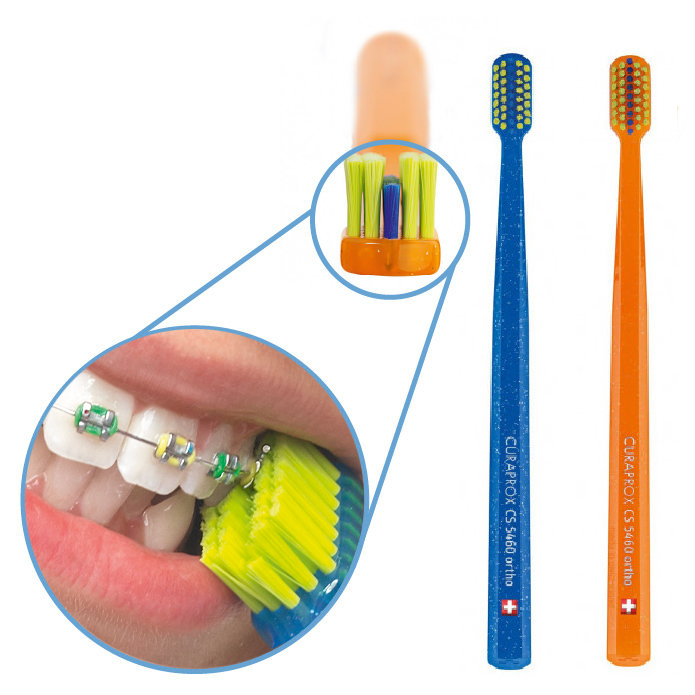
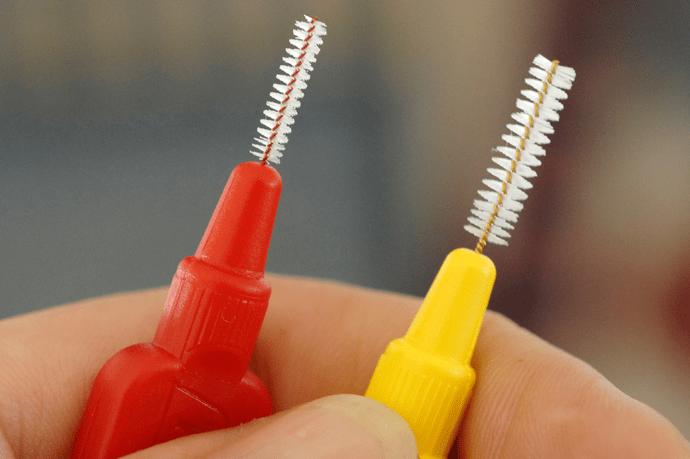
  • Oral Hygiene Counseling: It includes education on proper brushing and flossing techniques, advising on brands and types of toothpaste, how often to clean between meals, and furthermore, whether to use a child toothbrush and/or an electric toothbrush for cleaning.

Some dental offices have demonstrations, interactive learning and games, visual aids educational sessions, and caregiver training.


What are the steps involved in the treatment?

The counseling process follows the steps outlined below.

  • Initial Assessment: Review of the child's dental history, analysis of their dietary intake, brushing habits, and risk factors.
  • Diet Interpretation: Using a food diary or a food intake recall for clarification of dietary concerns.
  • Oral Hygiene Assessment: Direct observation or indirect discussion of the child's brushing techniques or products used.
  • Individualized Counseling: Customized advice for both diet and oral hygiene in accordance with assessment.
  • Demonstration: Including visual aids, models, and live demonstrations of brushing and flossing.
  • Behavioral Reinforcement: Positive reinforcement includes using approaches like a reward or sticker chart, or interactive game-style delivery.
  • Follow-Up: Routine check-ins to assess progress and reinforce messages.

What are the benefits?

  • Reduces risk of dental caries and gingival disease.
  • Builds lifelong habits of healthy health & diet.
  • Empowers children and caregivers with accurate information.
  • Supports early identification of harmful behavior.
  • Minimizes need for restorative and/or emergency treatment.

Children who start good oral hygiene and diet early will likely have better oral health as adults.

What make it better than other options?

Compared to restorative treatment like filling or extractions this counseling is:

  • Non-invasive and painless.
  • Cost effective.
  • Preventive and rectifies concern before getting worse.
  • Educational/empowerment that builds self-care and awareness.

Highly individualized to meet preferences including common dietary and lifestyle choices.

How Long Does it Last?

While sessions are relatively short in duration, its impact is long-term with consistency. With ongoing reinforcement from regular dental visits (typically about every six months) these practices become ingrained. Parents should expect to revisit counseling for their children at all stages of growth and development related to stages of teething, school, or ortho treatment.

How long does the procedure take?

A typical counseling session will take about 15-30 minutes depending on the age of your child, the level of understanding about what is going on, and the number of issues being discussed. The initial session may take a bit longer due to assessments, but subsequent sessions are shorter, focusing mainly on reinforcement.

How much does it cost in India?

Food and oral hygiene counseling are frequently provided as part of a dental check-up for children. However, in a private dental clinic or pediatric dental clinic, a session may cost somewhere between ₹300 to ₹1,000, depending on the location, reputation of the clinician, and length of the session.

What are the Risks and Complications?

There are no medical risks posed with dietary or oral hygiene counseling. However, there are challenges, including:

  • Poor compliance from either the children or the caregivers.
  • Cultural or dietary resistance, especially if a caregiver has to address advising on changes to food habits.
  • Not keeping up with the follow up, and that may lead to a relapse onto poor habits.

The key is to effectively counsel the individual in a fun, non-judgmental supportive manner.

What are the Disadvantages?

The counseling is beneficial to children but there may be some disadvantages to consider including:

  • Time that it will take a child to change behavior.
  • Immediate results are limited, especially if a habit is entrenched.
  • The success relies on the parents' involvement and the parents' commitment to their child's oral health.

Lack of access to a trained pediatric dentist in underserved areas.

What are the Alternatives?

There are no direct alternatives to the counseling, but possible complementary interventions may include:

  • Topical fluoride treatment for caries prevention.
  • Sealants for protection on molars.
  • Dental health programs in schools.
  • Mobile dental vans in rural India, offering education and treatment.

Many are also utilizing digital tools, such as oral health apps or animated videos, for remote learning or connection.

What to do After the appointment?

After the oral hygiene counseling, the care to take entails practicing what they learned and practicing it consistently:

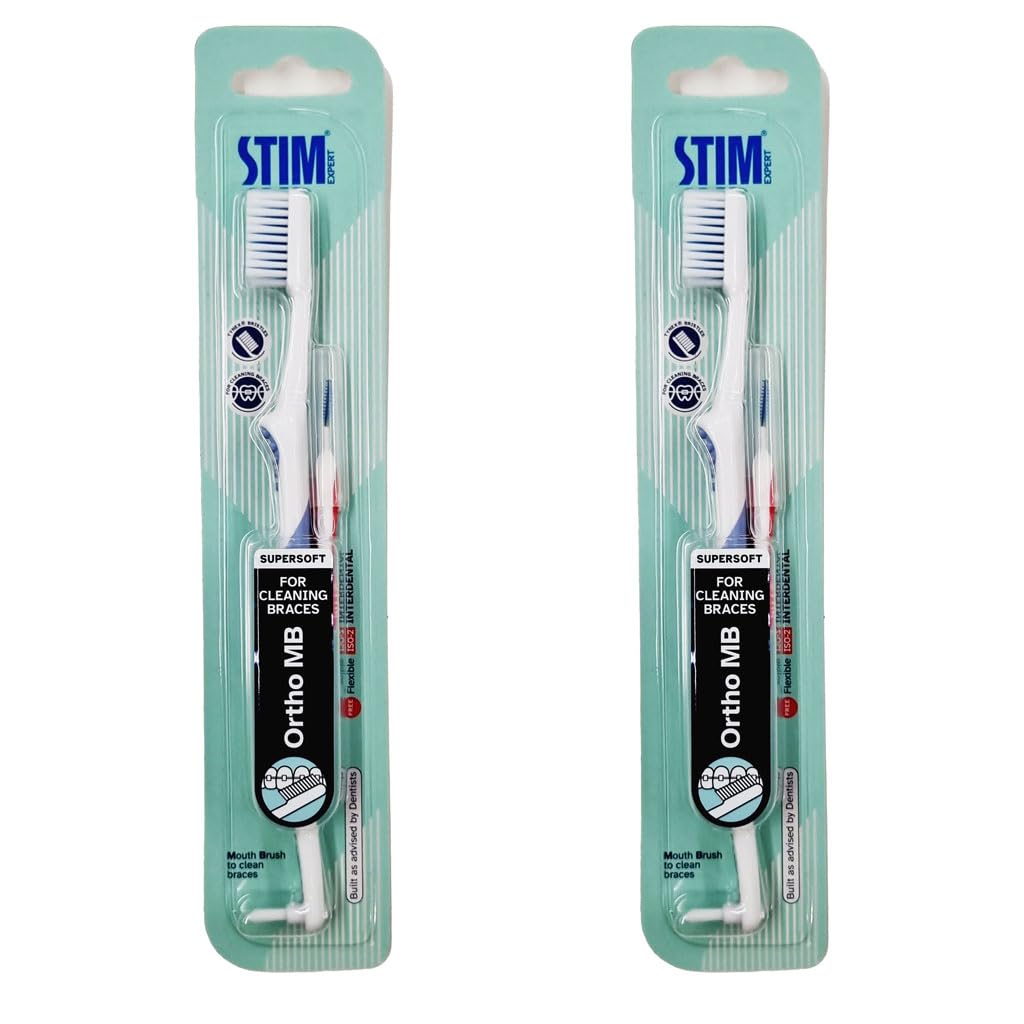
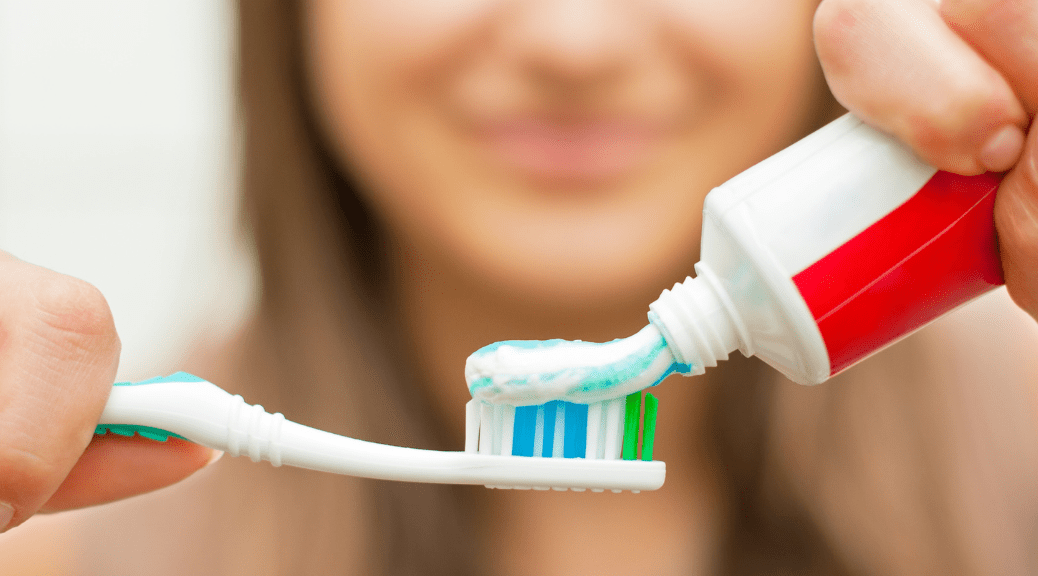
  • Brushing with fluoride toothpaste (twice daily).
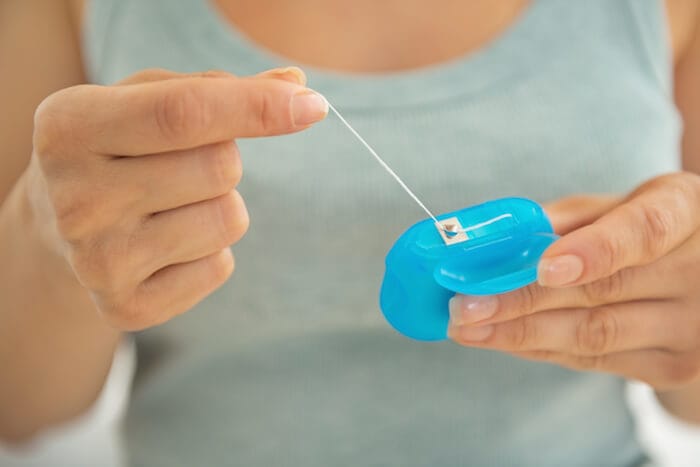
  • Flossing (once daily, as age-appropriate).
  • Avoid snacking often, especially on sugary treats.
  • Regular dental check-ups every 6 months.
  • Choosing water for hydration rather than sugary drinks.
  • Offering praise or rewards to children, after practicing healthy habits as encouragement.
  • Caregivers can also establish healthy practices by modeling healthy care, as a second set of eyes monitoring their child's habits as they learn to practice.
  • Lastly, they can also communicate or continue connection with their pediatric dentist for recommendations or suggestions for pediatric oral health care.

Our Store

Call Us Make an Appointment