
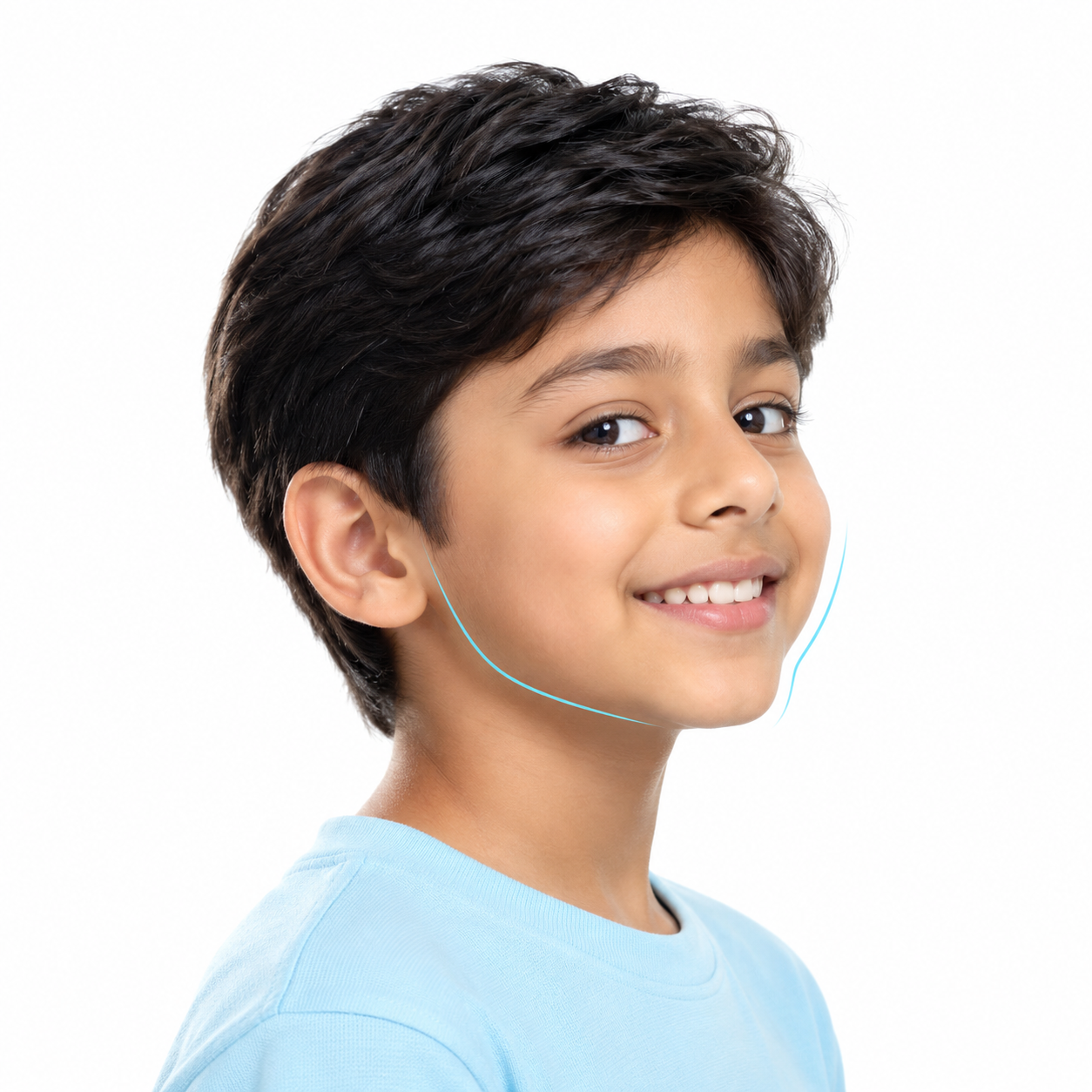
In normal occlusion, the upper teeth overlap the lower teeth externally. When one or more upper teeth bite inside the lower teeth, a crossbite occurs, which can force the lower jaw to shift and cause progressive facial asymmetry. In younger patients, due to the position of their top teeth being inside of their bottom teeth, this will force the lower jawbone to grow incorrectly. As a result, each year that goes by without proper treatment, the patient's face becomes less symmetrical. If treated properly before the age of nine, during their most rapid growth period, you can prevent serious long-term facial deformity
Clinical Definition: Crossbite refers to a transverse maxillary deficiency which causes the upper teeth to sit inside of the lower teeth.
Indicators for Urgent Treatment: Shifting of the jaws while chewing, asymmetry in facial features, local gum recession, or speech lisp.
Treatment Option: Palatal expanders, removable acrylic plates with expansion screws, posterior bite blocks, and early interceptive phase-1 orthodontics.
Age Range for Optimum Treatment: 4 to 9 years old during active growing periods.
The symptoms are usually noticed first by parents while doing their children's at-home oral hygiene:
Visual Deviation: When the upper front or side teeth fit behind lower teeth when the jaws come together.
Functional Jaw Drift: Parents can tell that their child has shifted their chin to one side to get into a "comfortable" position for biting.
Asymmetric Wear: The enamel will be worn down faster than normal on certain primary molars because of the abnormal shear forces created by the malocclusion.
Masticatory Fatigue: Children who have this problem cannot chew hard food such as raw coconut pieces, crunchy chips made of banana or tapioca (kappa), etc.
Any of these symptoms should prompt you to immediately schedule an appointment with your pediatric dentist so they can evaluate your child clinically:
Progressive Chin Tilt: A progressive tilt of the chin toward one shoulder when speaking or chewing.
Joint Sounds and Jaw Pain: Clicking, popping sounds unilaterally in the TMJ or chronic pain in the jaws during meals.
Premature Tooth Mobility: Loosening of lower primary incisors early without root resorption.
Frequent Soft-Tissue Trauma: Inner cheek biting frequently during daily meals.
Airway Compromise Signs: Breathing through their mouths, combined with a narrow palate that is high in the roof of the mouth, indicating an airway compromise.
The causes for an early-age crossbite are multifaceted and include both structural/mechanical and habit-based factors:
Genetic Influence: Narrowing of the upper jaw (maxilla), inherited; or dominance of the lower jaw (mandible), inherited.
Long-Term Non-Nutritive Sucking Behavior: Long-term use of a pacifier and/or sucking thumbs past the age of 3. Continued use will pull your cheek muscles inward, thus causing a contraction of the width of your upper arch.
Chronic Nasal Obstruction: Chronic nasal congestion due to allergies or large adenoids that cause you to breathe through your mouth during the day. Chronic mouth breathing lowers resting tongue posture away from the roof of the mouth, preventing the natural expansion of the upper jaw.
Late Loss of Primary Tooth Structure: Retention of primary teeth is directing the developing permanent teeth into atypical bite paths.
Family History: A family history of underlying Class III skeletal malocclusion.
Feeding Habits: Bottle feeding extended past toddlerhood will alter your normal infantile swallowing patterns.
Unilateral Mastication (Chewing): Unilateral chewing of foods as a result of dental caries in primary molars not being treated.
Dietary Softness: A diet with little firm texture fails to encourage normal transverse growth of the jawbones.
In order for parents to confirm that their child has a crossbite, do the following self-checks:
Positioning: Have the child lean his/her head back while smiling; he/she should be able to lightly touch the upper teeth against the lower teeth.
Midline Alignment Check: Look at the midline of the face: Is there alignment between the midline of the front two teeth in each jaw?
Side Arch Inspection: Examine the teeth along the sides of the mouth: Are the upper teeth overlapping the lower teeth externally? Lower teeth are crossing over the upper teeth on either or both sides; this is indicative of a crossbite.
Jaw Movement Path: When your child opens and closes his/her jaws, does it move in a smooth motion, or does it shift toward one side at the end of its travel?
This visual check is for preliminary observation only. Do not attempt to forcefully open or physically adjust your child’s jaw; leave clinical diagnosis and mechanical evaluation to a trained dental professional.
Pediatric dentists and orthodontists will typically utilize some type of assessment technique when evaluating crossbites:
Visual & Functional Analysis: The evaluation of how your child closes their jaws will help to determine whether their crossbite is due to actual skeletal misalignment vs. simply a habituated position of the lower jaw.
Digital Intraoral Scanning: Digital optical impression technology allows for a three-dimensional representation of dental arches’ widths without the need for messy traditional impression material.
Radiographic Imaging: Low-dose digital panoramic X-rays (OPG) evaluate unerupted permanent teeth. Lateral cephalometric radiographs assess skeletal jaw relationships.
Vitality & Periodontal Testing: Checking tissue thickness around lower teeth impacted by traumatic bite contact.
|
Severity Level |
Structural Presentation |
Clinical Impact |
|
Mild Dental |
1–2 individual front or side teeth in crossbite; symmetrical midlines. |
Minor enamel wear; localized gingival stress. |
|
Moderate Functional |
Unilateral side crossbite with a functional jaw shift to one side. |
Asymmetric muscle activity; emerging facial asymmetry. |
|
Severe Skeletal |
Bilateral posterior crossbite; narrow, V-shaped upper arch with deep palatal vault. |
TMJ strain, compromised airway space, severe chewing difficulty. |
Interceptive treatments can be used because of the increased bone growth during active childhood:
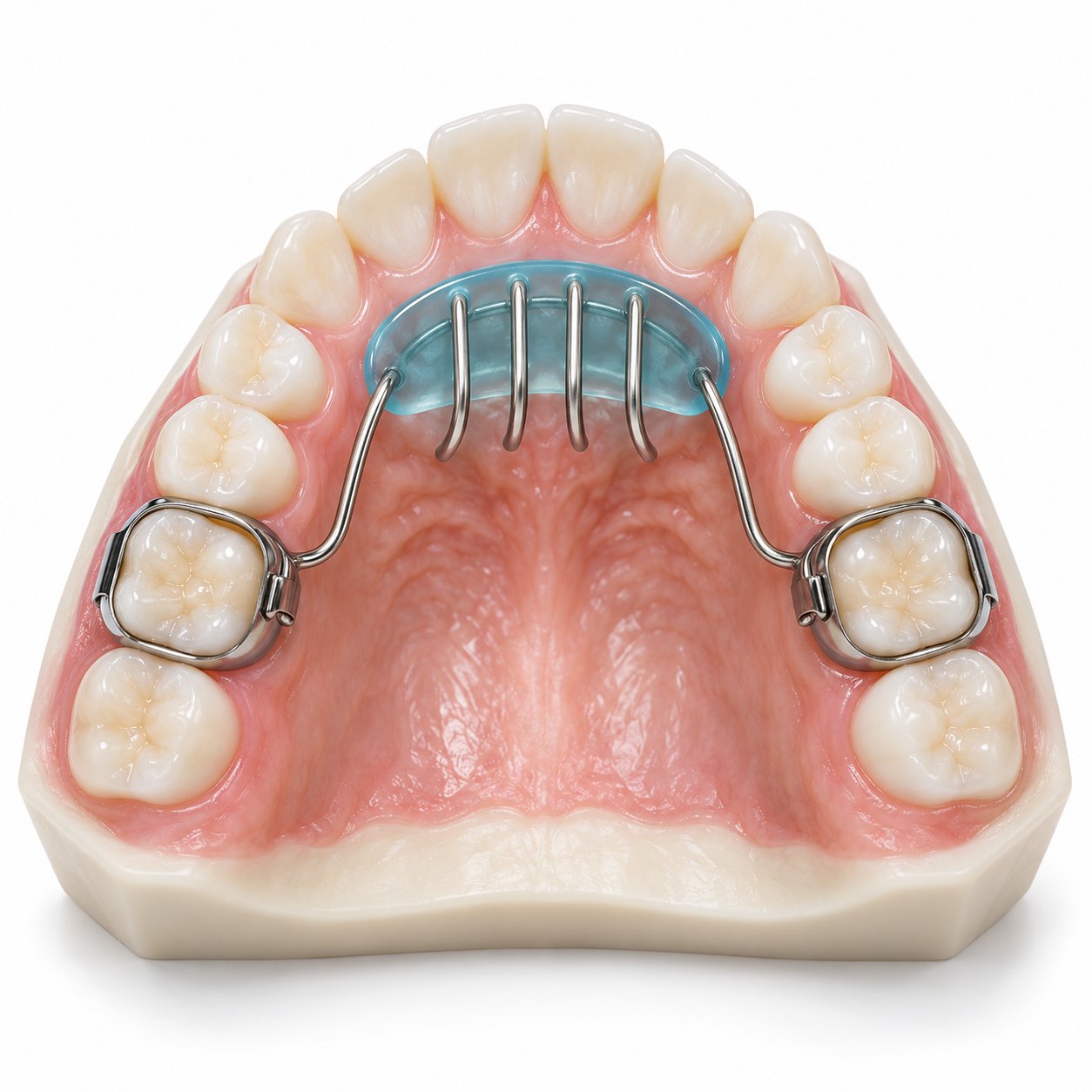
Rapid Maxillary Expanders (RME): Custom-made fixed appliances with which you can expand your mid-palatal suture over time.
Removable Expansion Plates: A removable plate made from acrylic that features an expanding screw in the middle; they are excellent for minor widening of the upper arch in young children.
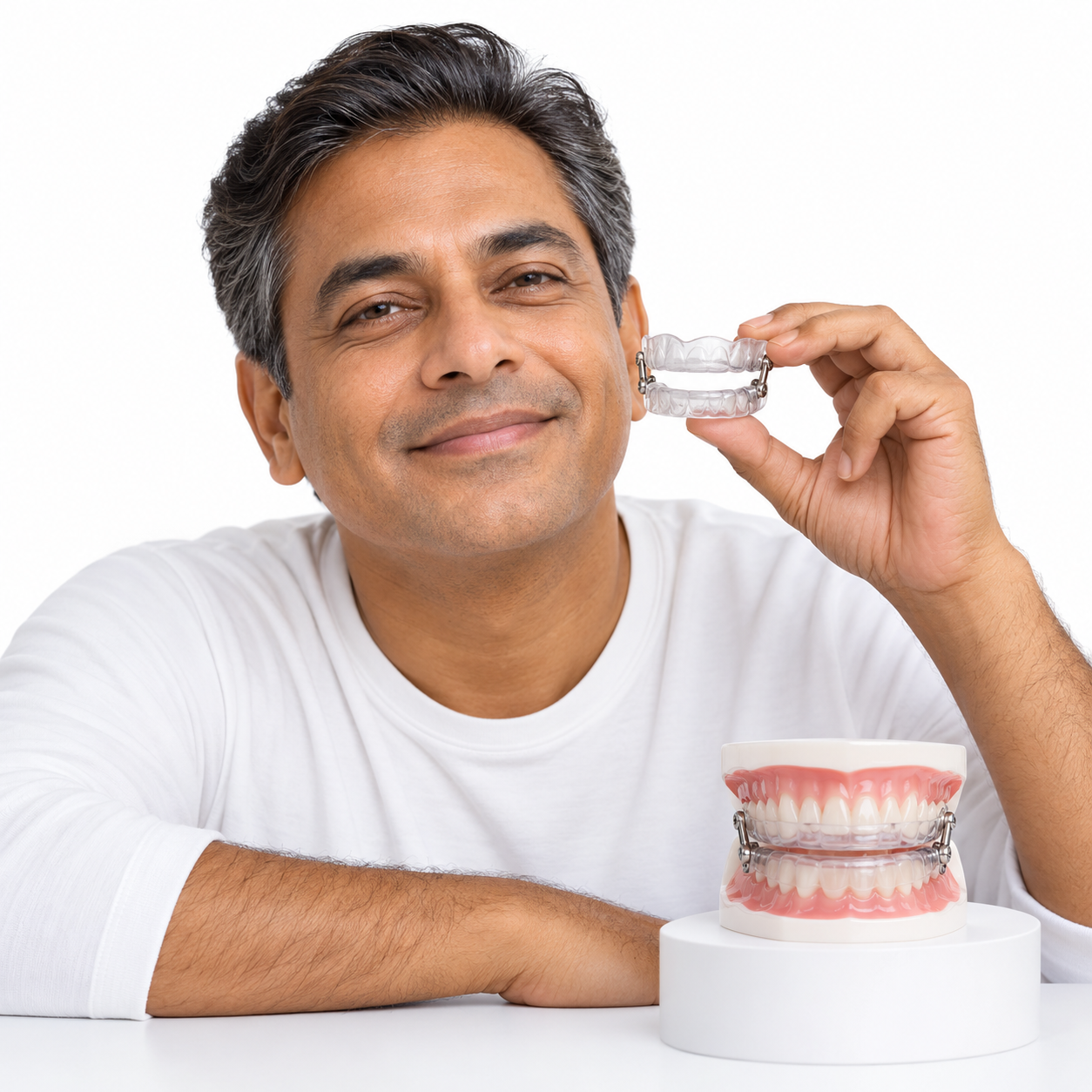
Bite Block: An elevated acrylic surface that will "dis-occlude" (or unlock) the bite so that the upper displaced teeth can move outward freely.
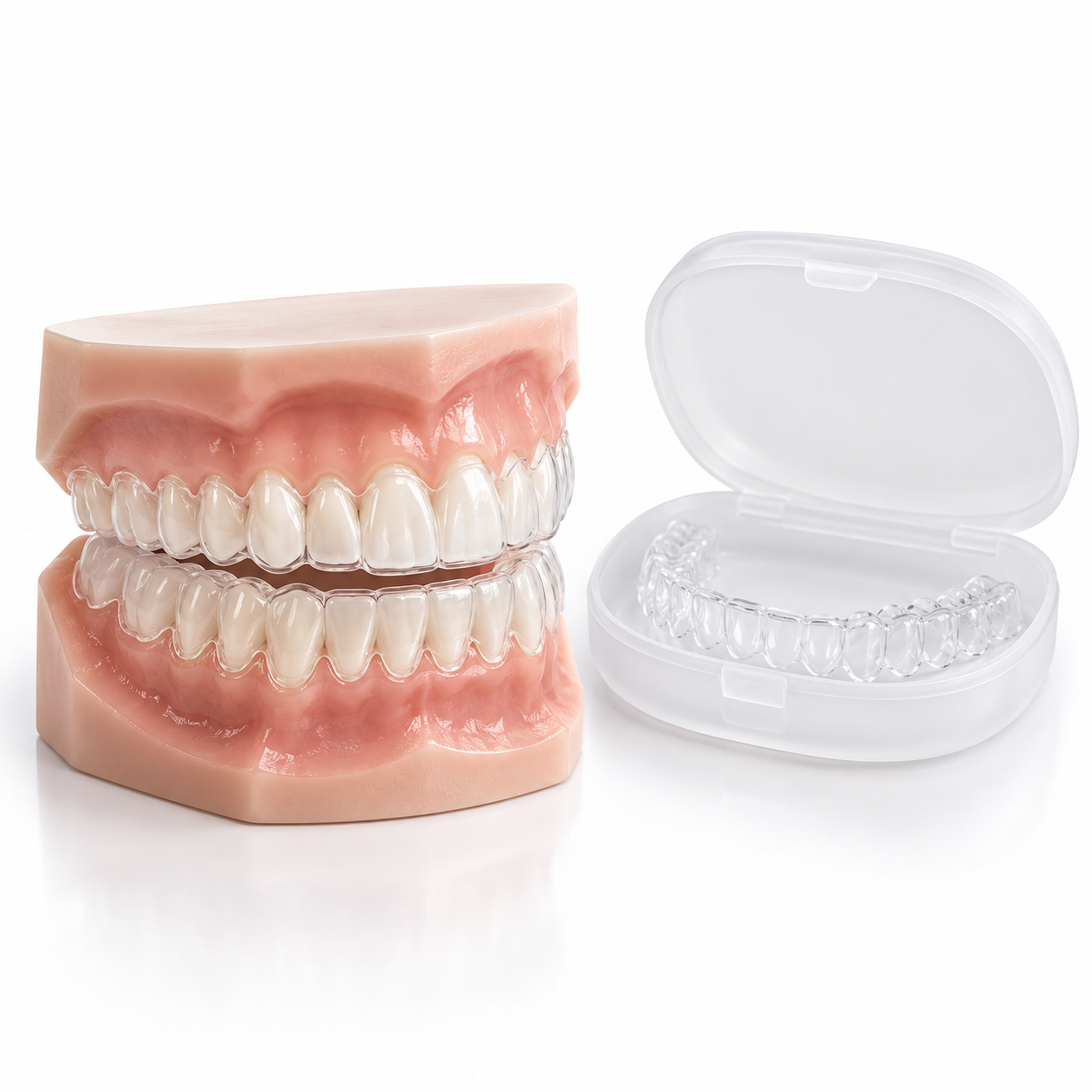
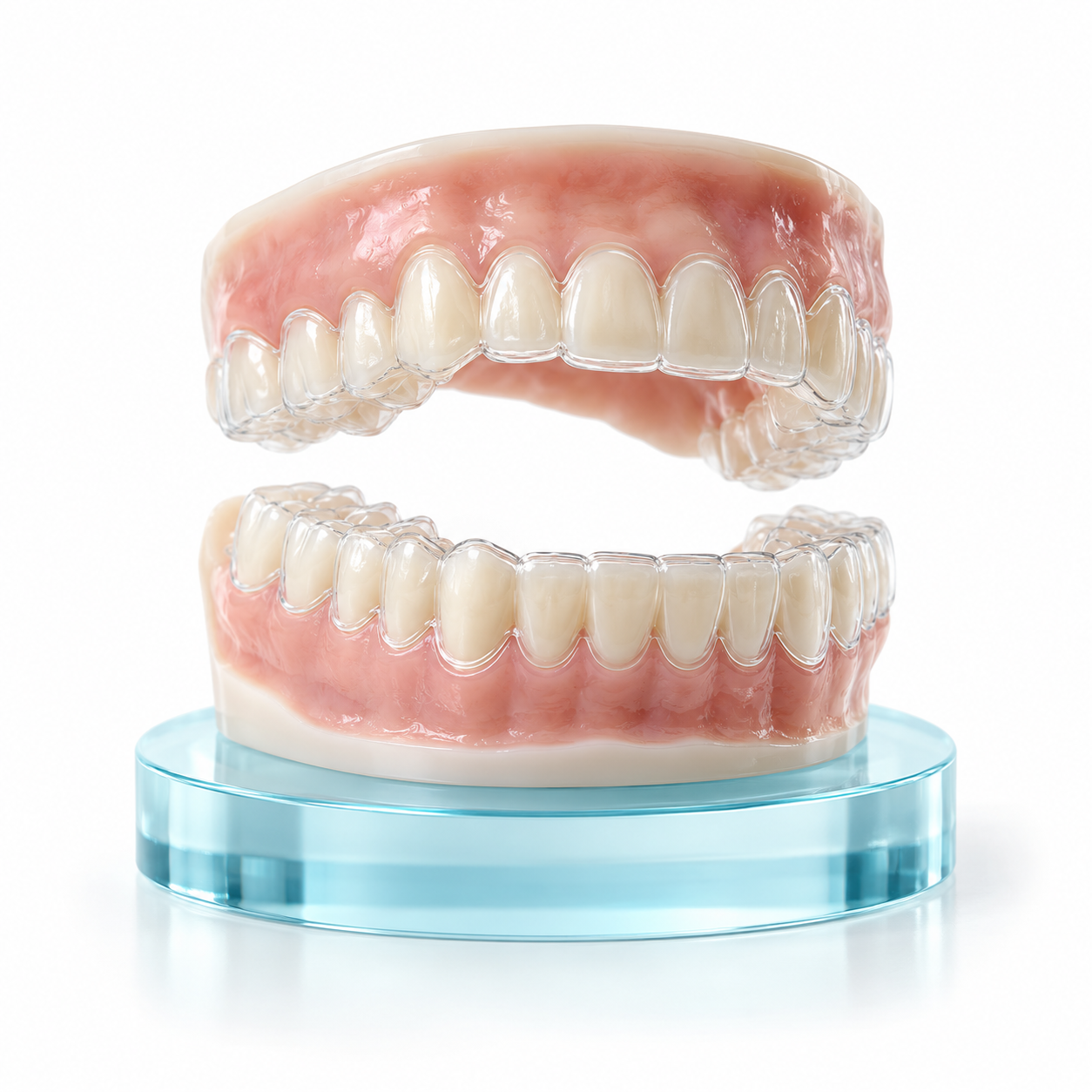
Clear Aligner Treatment: Special pediatric aligner systems designed for developing arches at the beginning of mixed dentition.
The cost of treatment in Kerala is influenced by how complicated the appliance is as well as what clinic tier the patient goes to (urban areas including Kochi, Thiruvananthapuram, and Kozhikode vs. rural districts):
|
Treatment Method |
Approximate Range (in INR ₹) |
|
Consultation / Diagnostic Imaging |
₹1,500 – ₹4,000 |
|
Removable Expansion Plate |
₹8,000 – ₹18,000 |
|
Fixed Rapid Palatal Expander (RME / Hyrax) |
₹18,000 – ₹40,000 |
|
Early Phase-1 Pediatric Aligners |
₹60,000 – ₹1,20,000 |
Most purely interceptive orthodontic corrections are self-funded out-of-pocket; however, some select private health insurance additions or corporate dental plans in India pay for functional jaw corrections.
Pediatric Dentist (Pedodontist): The primary specialty for early discovery of issues, for correcting habits, and for initial simple appliance therapy of young children.
Orthodontist: A specialist that can be needed for major skeletal expansion, fixed palatal appliances, and Phase 1 interceptive tooth movements.
ENT (Ear, Nose, & Throat) Specialist: Co-management of children who have airway obstructions due to enlarged adenoids, chronic mouth breathing, etc.
Crossbite correction at an early age is not an emergency; however, it is time-sensitive as follows:
Optimal Window (Ages 4 Through 8 Years): The palatal sutures will be soft and able to easily open up without the use of strong force.
Elective Delay: Waiting past age 10–12 increases the density of the mid-palatal suture, often requiring stronger forces or surgical assistance later.
When can you tell whether your child's crossbite needs treatment immediately, or will be treated after their adult teeth erupt?
All crossbites that occur in either primary or early mixed dentition need to have corrective therapy initiated at the time of diagnosis. Waiting for all of your child’s adult teeth to grow in will allow the temporary shift of the jaw from the side to become a permanent skeletal facial asymmetry, thereby complicating the subsequent treatment needed.
Can my child grow out of this, or can they chew through a food hard enough to naturally correct their crossbite?
There is no chance for spontaneous correction of a dental or skeletal crossbite. The best way to safely widen the narrow upper jawbone to allow room for the rest of your child’s teeth to erupt properly is with early interceptive orthodontic appliances.
Will the use of an expansion appliance affect my child’s ability to speak clearly, or participate fully in his/her school day?
Kids learn fast. In almost all cases, lisps or other mild speech problems caused by an appliance will disappear within 3 to 7 days as your child’s tongue learns to move past the expander plate.
Early crossbite treatment is the single most impactful of all the pediatric dentistry interceptives. Early intervention for a narrow maxillary arch during an active period of growth will also help restore facial symmetry, protect TMJ health, and improve airway space. If left untreated, functional jaw position shifts become fixed skeletal deformities requiring surgical correction as adults. Therefore, parents should be advised to have their children evaluated by a pediatric orthodontist prior to the age of seven to identify structural anomalies at an early stage.


.jpg)
.jpg)
.jpg)
.jpg)
.jpg)
.jpg)
.jpg)
.jpg)
.jpg)
.jpg)
.jpg)
.jpg)
This site is part of the DEC Dental Network — a Dental Equity & Connectivity ecosystem of clinical, educational, and patient-support brands operated by Team Dental Pvt. Ltd. Our network works as one — guiding you from your first search to your final smile.
© 2026 Team Dental Pvt. Ltd. · Founded 2013, Angamaly, Kochi, Kerala
About DEC Dental