loader

Extraction of retained primary teeth.

Home› Treatments› Extraction of retained primary teeth.
Extraction of retained primary teeth. Treatment
Watch Video
Authored by Dr Ann Mary Mathew
Reviewed by Dr. Seby Varghese

Fast Facts

99% say it's "Worth It"
500/- to 1000/-
Longevity: The benefits last a lifetime since it is a one-time procedure.
Duration: 15-30 Minutes

Retained primary teeth are baby teeth that don’t fall out on time, potentially blocking adult teeth. We offer gentle, safe extractions to support proper tooth eruption and alignment in children.

Ask Your Question
Share this page
What is extraction of retained primary teeth?

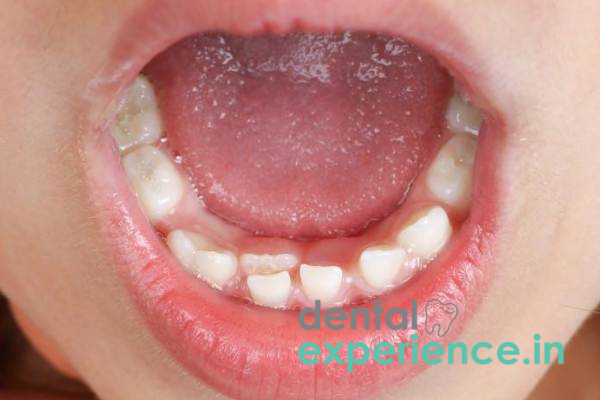
Extraction of retained primary teeth refers to the removal of baby teeth (deciduous or milk teeth) that did not fall out in the appropriate time frame. The placement of teeth that did not fall partially or completely can create issues surrounding the eruption and alignment of permanent teeth. Timely intervention is a crucial factor in normal oral development and mitigating orthodontic concerns as maintaining the health of adjacent teeth becomes increasingly complicated with time.

Why Is It Needed?

The need for extracting a retained primary tooth is to minimize or prevent the malalignment of permanent teeth due to crowding or displacement in a restricted space. If a baby tooth did not exfoliate on its own, it can block or deflect the pathway of the permanent successor's eruption, resulting in a delay or impaction of the tooth. Other purposes may include infection, cyst formation, and oral motor impairments relating to speech or chewing. In certain situations, teeth are extracted for the purpose of orthodontic treatment, or complications due to trauma.

Who Should Consider It?

Extractions are usually indicated for:

  • For children between the ages of 6-13 with delayed exfoliation of milk teeth.
  • For cases where the permanent tooth has erupted behind or beside the milk tooth that is retained (ectopic eruption).
  • For children with crowding or spacing issues.
  • For a patient who has baby teeth affected by decay, root resorption, or infection.
  • For kids going through orthodontic treatment that need space made to allow proper level/positioning.

Pediatric dentists will carefully assess a child's age, dental development, radiographic evidence, and oral health prior to indicating this treatment.

What are the Different Types?

Extraction of retained baby teeth are typically very basic, however, can be categorized based on complexity and location.

  • Simple Extraction - Removal of a mobile, accessible tooth with the use of forceps under local anesthesia.
  • Surgical Extraction - Indicated in instances when tooth is ankylosed (fused to bone), has broken roots, or tooth is impacted. This requires a small surgical procedure in order to treat and remove the tooth.
  • Serial Extraction – This refers to the planned removal of multiple primary teeth in phases over a period of time to help guide the proper eruption of permanent teeth in orthodontic patients.


How is the procedure done?

The procedure is generally organized into a series of the following steps:

  • Diagnosis & Radiographic Evaluation – The dentist may take an X-ray to examine the root structure, relationship of the primary tooth to the position of the permanent tooth, and the surrounding tissues.
  • Local Anesthesia – An age-appropriate numbing agent is given.
  • Tooth Loosening – The tooth is loosened from the socket with the use of an elevator instrument.
  • Extraction – Dental forceps are used to extract the tooth.
  • Post Extraction – The area is cleared of any debris, gauze is placed for bleeding control, and instructions are given for post-operative care.

For surgical extractions, there may be a need for small incisions and removal of any bone surrounding the tooth before the tooth is extracted.


What are the benefits?

  • Prevent misalignment and crowding later of the permanent tooth.
  • Reduce the chance of these teeth becoming infected or developing cysts.
  • Encourages a smoother orthodontic process.
  • Improve chewing, speech, and overall oral development.
  • Minimizes trauma from having double rows of teeth or impacted teeth.

Why is extraction still a better option?

In some cases, timely treatment is often less invasive and more effective than orthodontic treatment later. This can help avoid needing braces and complications that would lead to unsuccessful or misaligned eruption. Extraction is more efficient, predictable, and cost-effective than waiting and/or using orthodontic appliances to create space for tooth movement.

How Durable are the Results?

The benefits last a lifetime since it is a one-time procedure. When the primary tooth is extracted, the permanent tooth generally erupts into space on its own. If done at the right time and with the proper follow-up care, the benefits extend into adulthood by allowing the dental arch to develop properly.

How Long Does the Procedure Takes?

Typically, simple extractions take 15-30 minutes. Surgical extractions can take 30-60 minutes depending on the complexity. Recovery takes 2-3 days with complete healing in 7-10 days. Afterward, most children can return to school the next day with little discomfort.

What is the cost of retained primary teeth extraction?

The cost of extracting a retained primary tooth in India varies based on a few factors:

  • Simple extraction: ₹500-₹1,500 per tooth.
  • Surgical extraction: ₹2,000-₹5,000 or more.

The cost is affected depending on the region (city vs rural), the practice's reputation, if sedation is used, and any post-operative care. Specialists in pediatric dentistry in metropolitan areas may charge more than general dentists.

What are the Risks and Complications?

The treatment is safe, but there are some risks:

  • Temporarily swelling and pain.
  • Bleeding or a hematoma may form.
  • Infection will occur if you do not follow post-operative care.
  • In rare cases, damage to nearby teeth or permanent teeth that are still developing.
  • Development of psychological trauma in very young or anxious children.

These issues may be overcome by utilizing child behavior techniques, or by use of mild sedation.


What are the Disadvantages?

  • There will be slight discomfort following the treatment.
  • If not managed properly, a psychological fear or dental anxiety can develop in the child.
  • In some cases, follow-up will be needed to monitor the eruption of the permanent tooth.
  • If the permanent tooth erupts later than anticipated some space may close prematurely if a primary tooth is not extracted.

What alternatives exist?

The alternatives to tooth extraction includes:

  • Monitoring – For teeth that are slightly delayed in eruption and are beginning to show signs of becoming naturally loose.
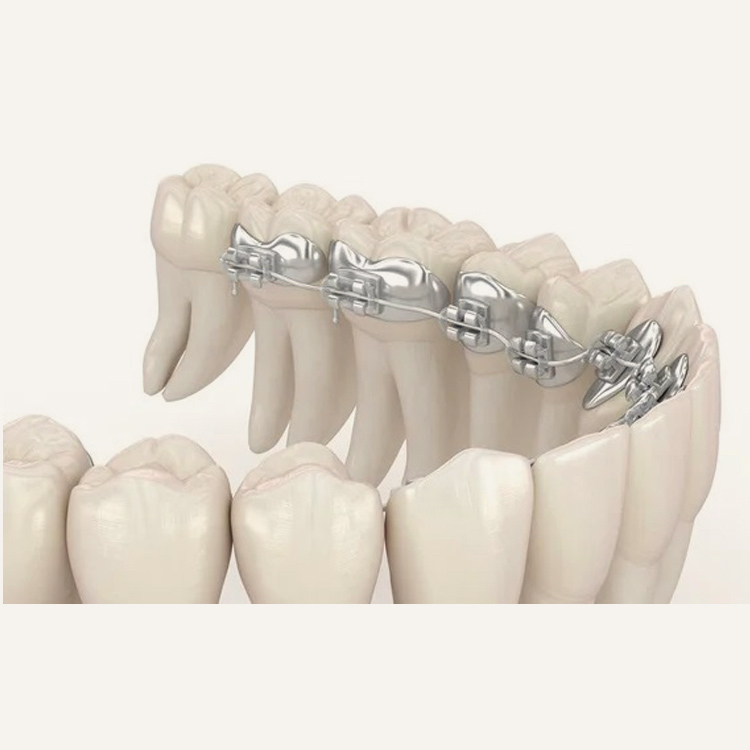
  • Braces - Using braces to assist in pulling down the permanent tooth.
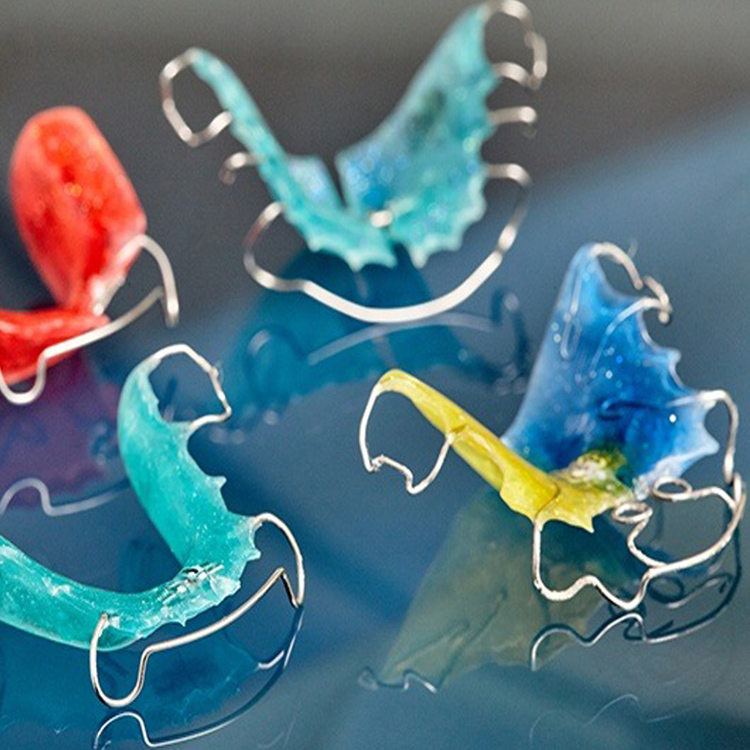
  • Space maintainers - Maintaining space if the permanent tooth is not yet ready to erupt.

In these situations if a retained primary tooth blocks the eruption of the permanent tooth, or the child is uncomfortable, extraction remains the most definitive option.

How do I care for the child after the treatment?

  • Proper aftercare will promote a quick recovery, as well as help prevent complications.
  • Bite on some gauze for 30 minutes after the procedure to stop the bleeding.
  • Avoid hot or hard foods for the next 24 hours.
  • Soft, cold foods can be given such as curd rice, ice cream, or mashed banana.
  • Do not rinse, spit, or use a straw for the first day.
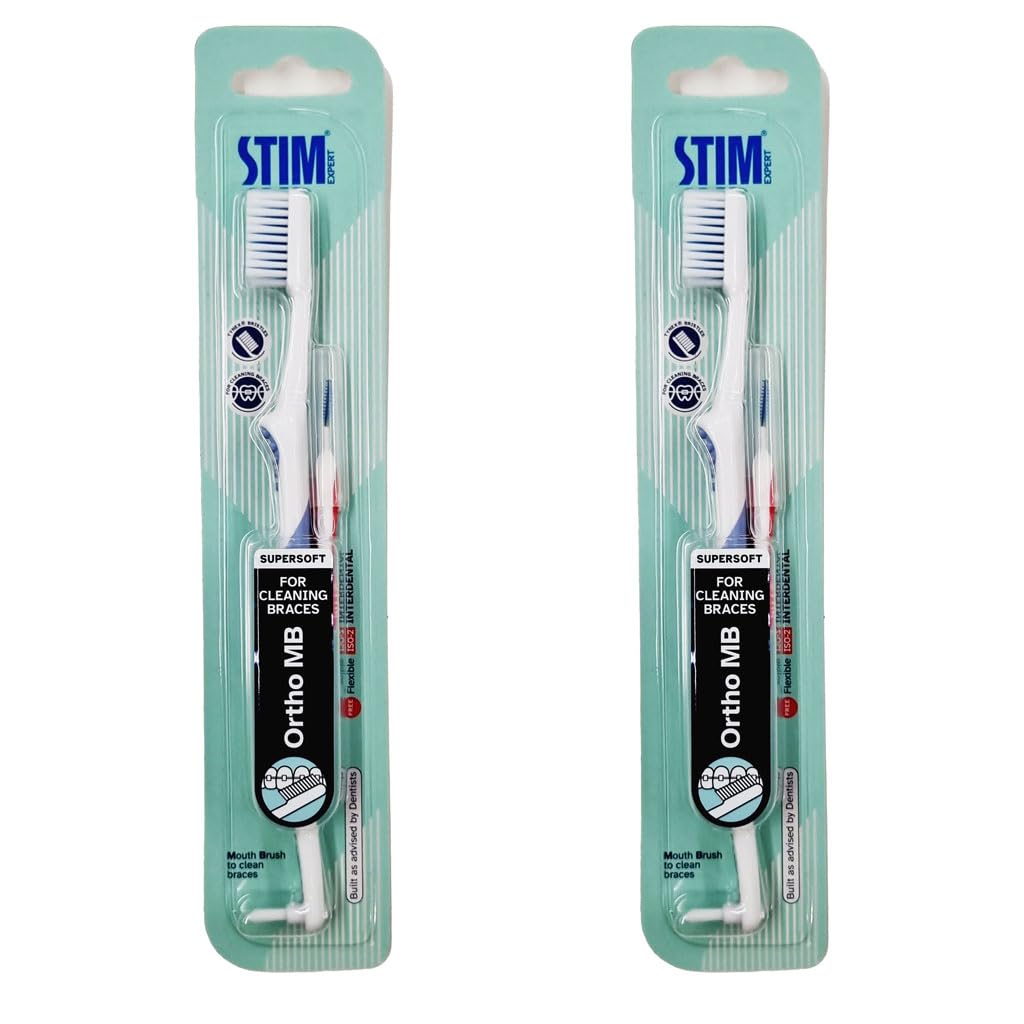
  • Get careful to maintain appropriate oral hygiene with a soft brush, but do not brush over the extraction site.
  • Take the pain medication as prescribed, if needed.
  • Follow-up with your dentist to monitor the eruption of the permanent tooth.


Related Articles

Load More Articles

Our Store

Call Us Make an Appointment