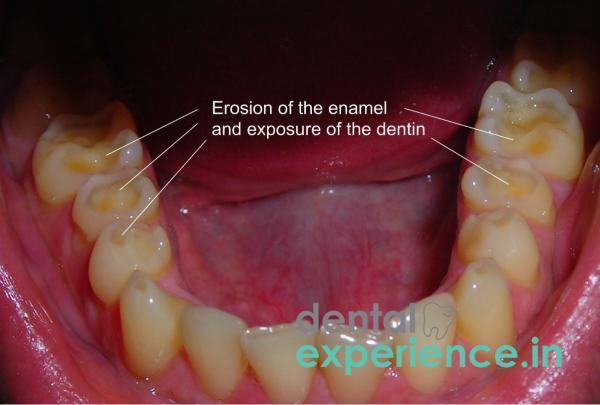
Erosion of the teeth is a type of progressive and usually silent wearing-away or removal of surface layers from the teeth. It is different from tooth decay because while tooth decay is created through the actions of bacteria feeding on sugars and resulting in bacterial acid formation that causes chemical destruction of the tooth enamel, tooth erosion is solely due to the chemical action of acid on tooth enamel. Tooth erosion develops through the repeated contact of non-bacterial acid formed by diet, environment, or internal health problems (like chronic acid reflux) with the enamel covering of the tooth, and then eating away at the mineral rich enamel. Each layer of enamel that becomes exposed to acid and dissolved results in the permanent thinning of the teeth. While individuals in Kerala engage in various daily activities and make numerous dietary selections that result in their teeth undergoing chemical deterioration, these practices will contribute greatly to the development of tooth erosion. Ultimately, if the erosion of a person's teeth is allowed to continue untreated, it will create significant structural weaknesses in the teeth that will need to be addressed through either advanced restorative dentistry or additional reconstructive procedures.
Definition: A chemical process of removing or dissolving dental hard structures (tooth enamel) caused by acids.
Main signs/Symptoms: Teeth become thinned and small. The enamel covering each tooth starts to appear translucent. There are noticeable signs of yellowing on each tooth. The size of the tooth begins to decrease.
Cause: Consuming undiluted freshly squeezed lime juice first thing each morning. Eating foods with high acidity (tamarind, raw mango). Systemic Conditions that produce excess stomach acid (such as gastroesophageal disease).
Surface Texture Analysis: Clinicians use specialized tools to evaluate the surface texture of patients' teeth to determine whether areas have been smoothed due to wear.
Treatments: Prescription-strength fluoride varnishes used to strengthen softened enamel, composite bonding, porcelain veneers/crowns, and fabrication of custom-cut ceramic restorations.
Because early stage surface loss is very subtle, many people may not realize they have it until the structural changes in their teeth develop into something that is noticeable. At first, you may notice that your front teeth are appearing smaller than before. Your front teeth also may begin to lose some of their normal shape and look unnatural. Because the enamel layer is continually being stripped away, eventually you will start to see light pass through the biting edge of your incisor teeth. As the enamel layer gets thinner, you will be able to see more clearly the yellow-colored dentin layer underneath. Eventually, all of the natural contours and features on your teeth will be worn away and your teeth will feel smooth to your tongue.
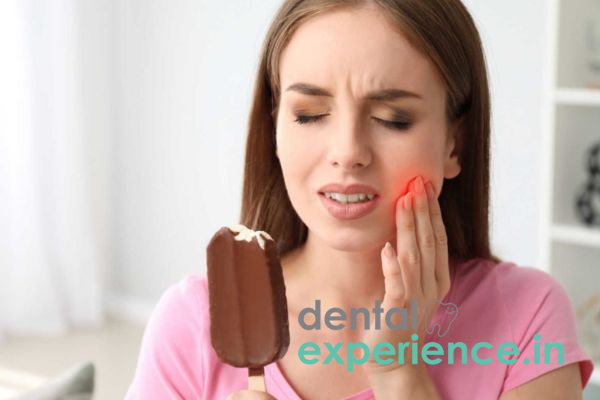
Mild wear of the enamel layer is gradual, but there are several things that could indicate that tooth erosion has become a functional problem instead of a cosmetic issue. If you are experiencing acute, shooting pain whenever you eat anything hot, cold, or sweet, you should consult a dental professional immediately as this indicates dentin exposure.
Another indicator is when you see your teeth visibly deteriorating (i.e., microscopic chipping/cracking/jaggedness at the biting edge of your front teeth) over a short period of time (a few months). This would indicate that the acid erosion is happening faster than your saliva can neutralize it.
The most common reason for tooth erosion worldwide is excessive consumption of acidic beverages (carbonated soft drinks/sports drinks). Similarly, other internal conditions such as chronic gastritis, silent gastro-esophageal reflux disease (GERD), and regular morning sickness introduce harsh stomach acids into the oral cavity and quickly melt away structural minerals from the teeth.
There are several regional and physiological factors that place an individual at increased Risk for suffering from significant surface loss from dental erosion:
Dietary Choices: Frequent consumption of extremely acidic foods such as raw mangoes and/or wild tamarind (Kudampuli) and/or fermented foods.
Physiological Issues: Persistent gastro-esophageal reflux disease (GERD); acid reflux.
Saliva Functionality: Saliva flow naturally drops during sleep; however, if someone suffers from chronic dry mouth (xerostomia), they lose the body’s primary defense mechanism to dilute and clear stomach acid (from reflux) or to maintain the protective salivary pellicle that shields enamel.
Breath Patterns: Mouth breathing during sleep dries out oral tissues. This severe reduction in saliva deprives the teeth of natural buffering agents, meaning any introduced acids (such as from nighttime reflux) remain highly concentrated and destructive for a longer duration
Using a clear mirror and a bright light source you can perform a preliminary assessment at home to identify evidence of tooth erosion:
Observe your upper and lower front teeth and their biting edges carefully. Is light passing through them? Are they transparent or glassy?
Check the surface texture on both sides of your molar surfaces. Has the normal relief and pattern disappeared? Do the surfaces now appear smooth?
Determine whether you can observe localized yellow discoloration adjacent to your gum line.
Check for portions of your teeth where white enamel appears absent but there is no apparent decay or plaque accumulation.
Diagnosis can only be accomplished through a thorough examination performed by an experienced clinician. The clinician assesses patients' teeth for tell-tale signs of non-bacterial surface loss including lack of ridge formation (absence of developmental ridges) and smooth rounded surfaces.
Digital intraoral scans: These are used to create three-dimensional images that document the actual morphology of patients' teeth. Once captured, these images can be preserved in a database for comparison purposes after six-months to one-year intervals to calculate exactly how much surface area has been lost in micrometers thereby allowing clinicians to distinguish between active/aggressive erosion versus static/historical wear.
Mild: Initial enamel wear, slight loss of surface luster, and no dentin exposure.
Moderate: Some degree of transparency at edges, visible yellow staining on dentin, cupping of molars, and mild sensitivity.
Severe: Extensive exposure of dentin, significant loss in overall size of tooth, advanced flattening or deep cratering of molars, and significant structural chipping.
Treating tooth erosion involves two general approaches:
Halting continued chemical degradation and replacing lost material. In its earliest stages, tooth erosion may be halted by providing patients with prescription-strength fluoride-based products that allow weakened enamel layers to regain some hardness. It’s also important to note that not to brush your teeth immediately after consuming acidic items (like fresh lime juice, mango, or tamarind) or experiencing acid reflux. As acid softens the enamel surface, they’re highly vulnerable to being physically scrubbed away by your toothbrush. Instead, rinse your mouth immediately with plain water to help restore a neutral pH, and delay brushing for at least 30 to 60 minutes.
In instances where tooth erosion has resulted in anatomical alterations requiring restoration of lost structure, advanced restorative dentistry is necessary. Many times patients inquire as to whether Thinning teeth can be made thicker via composite bonding. The answer is yes; however, this must be done conservatively so as not to require further cutting into healthy tooth structure.
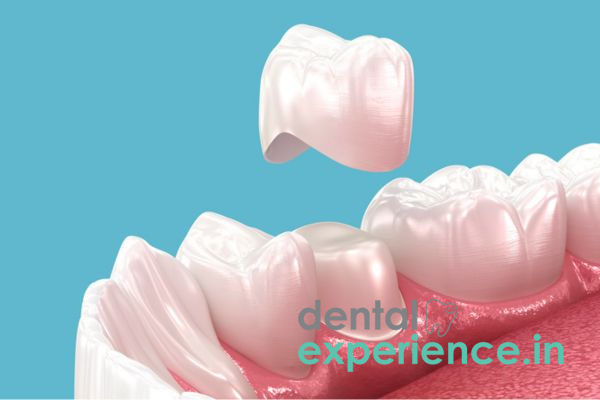
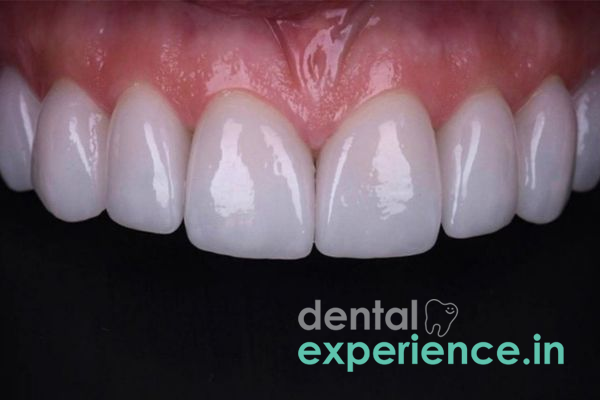
When an extreme number of teeth suffer from extreme thinning and subsequent structural loss requiring advanced restorative measures, custom fabricated porcelain veneers or full coverage ceramic crowns offer excellent durability/strength and aesthetic restoration.
പല്ലിന് എത്രത്തോളം നാശം സംഭവിച്ചു എന്നതിനെ ആശ്രയിച്ചാണ് ചികിത്സാ ചെലവ് വരുന്നത്. പുളിപ്പ് മാറ്റാനുള്ള തെറാപ്പികളും മരുന്നുകളും വളരെ കുറഞ്ഞ ചെലവിൽ ക്ലിനിക്കുകളിൽ ലഭ്യമാണ്. എന്നാൽ പല്ല് പുനർനിർമ്മിക്കാനുള്ള ചെലവുകൾ താഴെ പറയുന്ന രീതിയിലാണ്:
കമ്പോസിറ്റ് ബോണ്ടിംഗ്: ഒരു പല്ലിന് ഏകദേശം ₹2,500 മുതൽ ₹6,000 വരെ.
ദീർഘകാലം നിൽക്കുന്ന അത്യാധുനിക ചികിത്സകൾ: നല്ല ബലമുള്ള ഇ-മാക്സ് (e-max) പോർസലൈൻ വെനീറുകൾക്കോ സിർക്കോണിയ ക്യാപ്പുകൾക്കോ കേരളത്തിലെ നല്ല ക്ലിനിക്കുകളിൽ ഒരു പല്ലിന് ₹12,000 മുതൽ ₹25,000 വരെ ചെലവ് വരാം.
Although there is no single best course for effectively managing advanced dental erosion, it often involves collaboration among professionals from multiple disciplines:
Prosthodontist: Dental professionals specializing specifically in replacing/restoring structurally compromised/tooth surface damaged teeth.
Cosmetic/Restorative Dentist: Include those professionals trained in performing minimal-invasive composite bondings to restore altered tooth sizes/shapes.
Gastroenterologist: Important contributors when internal causative factors exist; they assist in diagnosing/managing internal systemic causes related to acid reflux/disease.
The importance placed upon urgency relates directly to the degree to which the erosion is currently progressing. Active progression resulting in persistent sharp pain needs urgent clinical evaluation to manage severe dentin exposure and prevent deeper chemical or bacterial progression into the pulp tissue (the tooth's nerve). Likewise, significant ongoing structural collapse (e.g., active fracture/breakage of teeth or notable diminishment) merits immediate consideration. Conversely, historic/stable wear that does not exhibit active sensitivity can be evaluated/supervised during scheduled routine dental examinations.
Will eroded enamel grow back naturally?
No; dental enamel lacks living cells; therefore, it will never regenerate biologically after it has been dissolved.
Does using a fluoride-free alternative mouthwash cause tooth erosion?
No, it does not cause erosion. However, using a fluoride-free mouthwash means you miss out on the therapeutic benefit of fluoride, which actively strengthens and remineralizes acid-softened enamel, making your teeth more vulnerable to future acid attacks.
Clinicians emphasize that educating patients on clinical enamel loss vs tooth decay difference remains important to successful long-term outcomes. For patients across Kerala experiencing structural changes due to dietary habits or systemic acid exposure, early identification and minimally invasive intervention remain the gold standard for preserving natural dental architecture and long-term oral health.






.jpg)
.jpg)
.jpg)
.jpg)

.jpg)
.jpg)
.jpg)
.jpg)
.jpg)
.jpg)
.jpg)
.jpg)