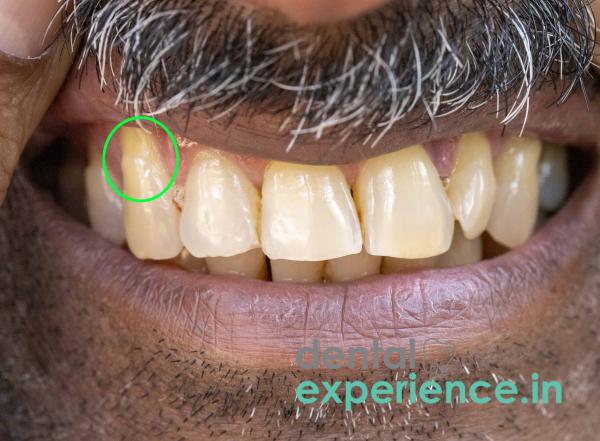
Receding Gums - commonly referred to as gingival recession represents the gradual exposure of a tooth's root surface due to the downward or forward migration of the marginal periodontal structures (the supportive gum tissue around the teeth). Normally, the gingiva functions as a tight-fitting sleeve protecting both the delicate cementum (the soft layer covering the roots) and the porous, nerve-filled dentin (the internal structure of the teeth). The moment this protective cuff begins to erode and cementum is lost, microscopic dentinal tubules containing fluid and nerve processes become susceptible to temperature extremes, oral bacteria, and friction. If left untreated, gingival recession will compromise structural integrity and lead to attachment loss, alveolar bone destruction and eventually tooth mobility.
Clinical Definition: Retraction of the gum margin exposing the dentin of the tooth root.
Clinical Urgency: Sudden elongation of the tooth length, extreme cold/sensitive to heat, bleeding around the edge of the gum margin, loose tooth/visible root tip with large notches.
Treatment Options: Corrective brushing techniques, professional scaling and root planing, Pinhole Surgical Technique (PST), connective tissue grafting, and guided tissue regeneration (GTR).
Risks Factors: Aggressive horizontal brushing, tobacco/paan consumption, genetic thin-gum-biotypes, and chronic periodontitis.
Elongation of the Tooth: Teeth appear visibly longer as the pink gum margin migrates toward the root tip.
Exposure of Root Tip/Cementum Color Change: Visually identifiable color change from bright white enamel to yellowish-colored cementum at the gum margin.
Dentin Hypersensitivity: Short-term sharp pains triggered by cool/cold temperatures (cold water, hot tea) or sweet food items.
Cervical Notch: Sensory ledge identified near the gum margin using a finger or tongue.
Bleeding of Gingiva: Pink-red swollen edges of the gums that bleed upon morning brushing/flossing.
Severe Pain - Localized throbbing pain indicative of pulpal irritation/root caries.
Presence of Pus - Oozing or purulent discharge from the gum pocket after applying gentle pressure.
Increased Mobility - Progressive wobbling or mobility of a tooth during chewing hard foods.
Deepening of Black Triangles (gaps) - Increasing gap formation between adjacent teeth at their base.
Spontaneous Bleeding - Spontaneous bleeding from gums absent of direct physical contact.
Traumatic Forces - Brushing with extremely hard bristle brushes or abrasive powder including coarse charcoal or homemade tooth powders causes stripping of gingival tissue.
Advanced Periodontal Disease - Immune response to accumulated biofilm results in destruction of supporting bone/ligaments.
Stressors Related to Diet/Food/Behavior - Frequent consumption of extremely tough/dense food substances including coconut pieces, dry fish or boiled kappa (tapioca), combined with grinding/clenching (bruxism).
Overcrowding/Dental Malalignment - Teeth positioned outside the bony envelope resulting in differential mechanical stress.
Chemically Damaging Habits/Tobacco/Paan - Compromises local blood flow in tissues consuming smokeless tobacco products.
Thin Gingiva - Delicate, transparent biotypes that are genetically predisposed to tear/recede.
Hormonal Changes - Hormonal fluctuations experienced during pregnancy/menstruation/adult development increase susceptibility to localized inflammatory cytokines.
Systemic Diseases/Autoimmune Disorders - Diabetes mellitus type II reduces microcirculation/heals slowly in periodontal disease/tissues.
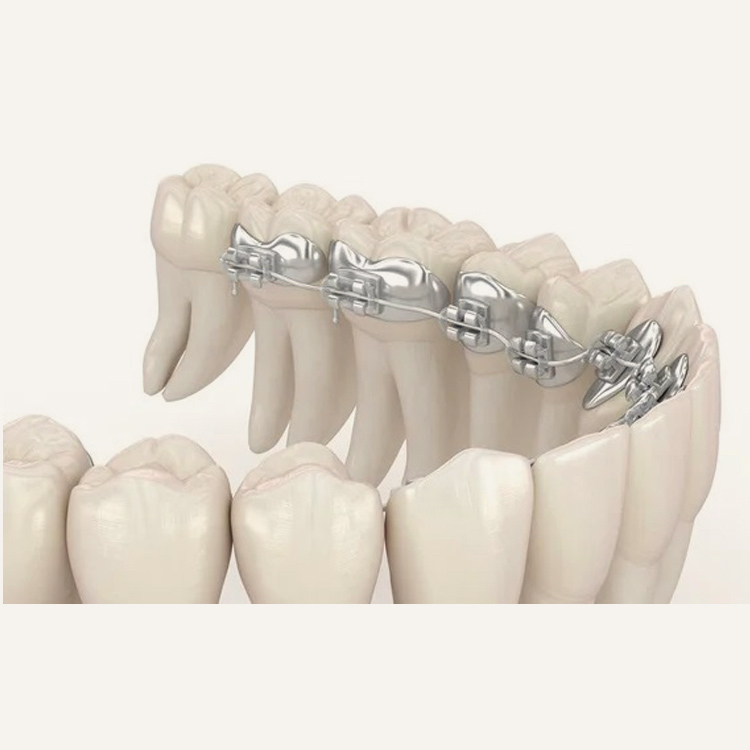
Orthodontic Relocation of Teeth - Excessive/fast relocation of Teeth from their original position creates rapid displacement and compression against the labial portion of the mandible/alveolus.
Poor Oral Hygiene Practices - Failure to remove plaque leads to accumulation of tartar/calculus along the gum margin.
Wash your hands thoroughly and stand in a brightly lit room before a clean mirror.
Gently elevate the lip with clean fingers to reveal the full extent of gums.
Inspect the gum margin for irregular scarring/exposed yellow cementum.
Gently run a cotton swab along the surface of each tooth toward the gum margin for identification of a ledge or notch.
Gently apply pressure on teeth with clean fingers to test horizontal tooth mobility.
You should avoid probing exposed roots with needles/toothpicks as this could potentially cause fracture of cementum/nerve damage.
Periodontal Probing: Dentists use a special calibrated probe to measure how deep the pockets are around your teeth and the amount of clinical attachment loss (CAL).
Digital Radiography: The X-rays allow dentists to determine how low the interdental alveolar bone is. They can help dentists differentiate if there is localized recession or generalized bone loss.
Gingival Biotype Assessment: This involves using a probe to assess tissue thickness, this test helps us choose the best surgical approach.
Vitality Testing: Done to verify that the nerve supplying the tooth is alive, we perform thermal or electrical pulp testing on the tooth(s) whose roots have been severely exposed.
|
Classification / Severity |
Receding Gum Depth |
Bone Loss |
Clinical Characteristics |
|
Class I (Mild Recession) |
1–3 mm |
None |
Marginal tissue recession is limited to the enamel border; there is no loss of bone between teeth. |
|
Class II (Moderate Recession) |
3–5 mm |
Minimal to none |
The recession extends to or beyond the mucogingival junction. There is minimal loss of bone between teeth. |
|
Class III (Advanced Recession) |
5–7 mm |
Moderate |
The root is exposed partially. There is moderate loss of bone between teeth. The support of the structure is compromised. |
|
Class IV (Severe Recession) |
> 7 mm |
Significant |
Severe interdental tissue and bone loss are present. There is significant loss of bone between teeth. The tooth is mobile. |
Scaling and Root Planing (SRP): A deep ultrasonic cleaning procedure that removes calcified plaque and smoothes the root surface. It allows healthy soft tissue reattachments.
Desensitization and Bonding: Fluoride varnish or composite resin coating applied to seal open dentinal tubules and stop pain.
Connective Tissue Grafting (CTG): A micro-surgical process whereby donor tissue (usually from the patient's palate) is placed beneath the gum line to build volume.
Pinhole Surgical Technique (PST): A minimally invasive technique. It involves making a very small pinhole entry to coronally advance existing gum tissue over exposed roots and stabilizing it with collagen strips.
Guided Tissue Regeneration (GTR): Bioabsorbable membrane used together with bone graft materials to stimulate natural bone and ligament regeneration.
SRP (Scaling and Root Planing): ₹1,500 – ₹4,000 per quadrant. Cost varies based on location (Kochi, Thiruvananthapuram, Kozhikode etc.)
Composite Resin Sealing / Root Bonding: ₹1000 – ₹2500 per tooth.
Periodontal Flap and Grafting Surgery: ₹8000 – ₹25,000 per site. Depending on the complexity of materials involved (autograft vs alloderm matrix).
Pinhole Surgical Technique: ₹20000 – ₹45000 per arch in specialist cosmetic periodontal clinics.
Most private insurance plans do not pay for aesthetic root coverage. However some reconstructive treatments related to infection or trauma may get partial reimbursements.
General Dental Practitioner: Best suited for routine diagnostic screening, early detection of mild Recession, composite bonding, preventive oral hygiene education etc.
Periodontist: Specialized gum surgeons who undertake advanced CTG procedures, GTR procedures, Pinhole Surgery, and manage cases with extensive bone loss.
Prosthodontist: Specialist who consults patients with complicating factors for full mouth rehabilitation, major crown restoration, or placement of dental implants due to their receding gums.
Immediate (2–24 hours): Acute localized swelling, severe throbbing nerve pain, or pus discharge indicates a periodontal abscess.
Prompt (within 1–2 Weeks): Persistent temperature sensitivity causing discomfort while eating, rapidly advancing root exposure, or excessive tooth looseness.
Elective (Routine Scheduling): Mild aesthetic complaints, elective cosmetic root coverage request, or non-painful minor marginal gum recession with stable teeth.
Why am I losing my gums despite brushing my teeth three times daily?
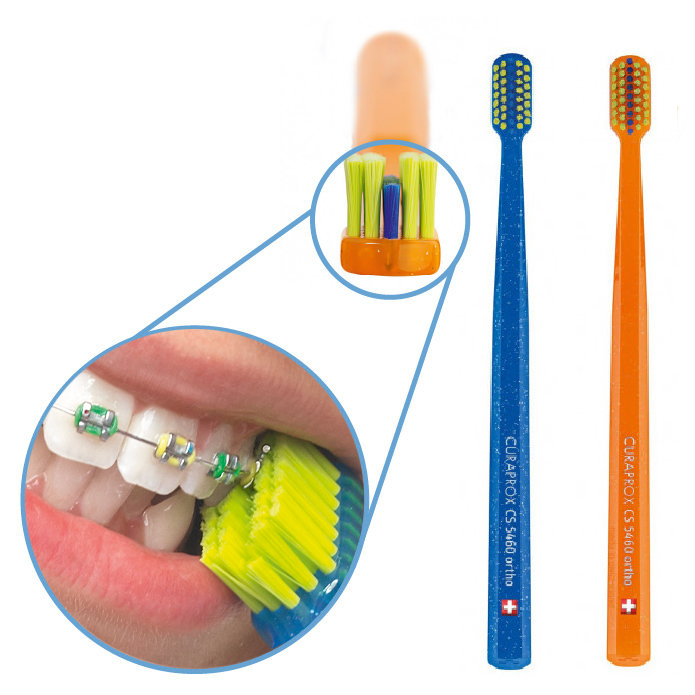
Brushing too often or brushing aggressively with hard bristle brushes results in gradual stripping of the thin gingival tissues. Brush quality (soft bristles and gentle circular motion) matters far more than frequency or pressure when it comes to preventing gum recession.
Can receding gums grow back naturally using home remedies such as oil pulling?
No. Once you lose gingival tissue and alveolar bone they never regenerate or grow back with oil pulling, herbal pastes, mouthwash etc. Only professional dental treatment methods such as grafting or PST can lead to structural repair.
How much does gum grafting surgery cost in Kerala?
The price of gum grafting in Kerala can vary between ₹8,000 and ₹25,000 per area being treated. Costs depend on whether additional bone grafts are necessary, type of donor material chosen for tissue transfer, clinic reputation, and whether supplemental bone grafts were necessary.
Gum recession is an irreversible structural alteration requiring early clinical identification as opposed to delayed cosmetic intervention. Modern periodontology focuses on early corrective mechanics and preservative techniques of biotypes in addition to minimally invasive regenerative therapies rather than late stage invasive grafting. Any individual experiencing exposed roots should cease using abrasive powder cleaners or stiff-bristled toothbrushes and obtain a clinical consultation immediately. Early diagnosis and treatment prevents root decay and conserves natural dentition thereby precluding complicated reconstructive surgery.







.jpg)
.jpg)
.jpg)
.jpg)
.jpg)
.jpg)
.jpg)
.jpg)
.jpg)
.jpg)
.jpg)
.jpg)