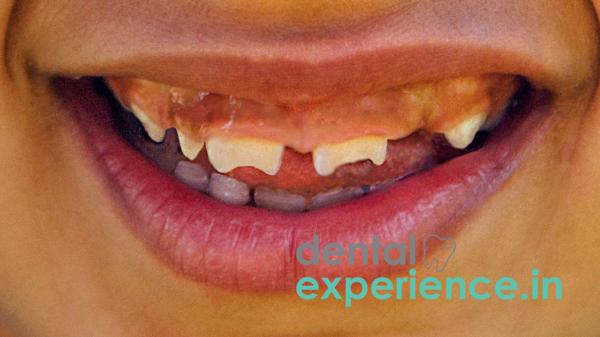
Malformed teeth result from structural anomalies in the size and shape of the teeth. Malformed teeth are classified as natural/developmental variations that appear during the process of tooth development in children. Many people find that their teeth are excessively small, excessively large, or abnormally shaped, creating considerable aesthetic stress. Understanding these developmental malformations of the teeth is the initial step in evaluating corrective modalities to improve self-esteem and to provide balance.
Definition: Natural/developmental variations affecting the physical dimensions and anatomical structure of permanent or primary teeth.
Primary Forms: Include microdontia (smaller-than-average-sized teeth), macrodontia (larger-than-average-sized teeth), and pointed anomalies like peg laterals.
Common Indicators: Unusual spacing, pointed or conical shapes, and difficulties with biting or chewing.
Causes: Primarily inherited traits, hereditary syndromes, or minor local disturbance to early childhood tooth development.
Common Treatment Options: Cosmetic bonding, custom porcelain veneers, ceramic Crowns, and targeted orthodontic alignment.
Goal: Restoring optimal chewing function, protecting adjacent teeth from movement, and achieving a balanced, aesthetically-pleasing smile.
Identifying developmental anomalies includes more than recognizing an uneven smile. Identifying specific structural patterns can be accomplished by noticing the most common indicators including unequal sized front teeth which negatively affects facial symmetry.
Patients usually notice a gap between their front teeth since the front teeth will not fit properly within the jaw arch. Also patients will note crowding since one tooth develops larger than its neighbors.
Also anatomical variations are apparent. You can see a sharp tooth structure instead of a normal smooth, flat edge of an incisor.
Sharp edges can also have a jagged appearance or be multi-conical.
In addition another typical indicator is that of a cone-like shape particularly on the upper anterior teeth next to the central incisors.
Variations often lead to food-trapping areas and localized plaque buildup in addition to causing unanticipated speech changes due to irregular air flow around the teeth.
Minor variations in tooth shape are entirely harmless and only cause cosmetic worry. Structural defects need to be evaluated professionally if they create a problem with your daily oral functioning. Do you experience ongoing difficulty biting through foods? Do you experience TMJ pain (jaw joint pain) due to an irregular bite? Have you experienced ongoing speech impediments?
It's time to seek consultation with a specialist if you answered yes to any of those questions.
In addition, look for signs of localized gum health. Irregularly shaped teeth often create irregular tight spaces that are difficult to clean using conventional brushing/flossing techniques. Do you observe localized bleeding after brushing or flossing? Do you continually trap food between two of your teeth? Are there rapid decays on one of your oddly-shaped teeth?
Taking proactive action now is needed to avoid serious secondary infection.
Our dentition is pre-determined well before baby teeth erupt. The main reason behind genetic tooth shape disorders is hereditary blue printing. As mentioned earlier if a parent or close relative presents with a microdontia pattern or missing lateral incisors this trait is often passed down through generations.
From a biological standpoint abnormal development of tooth shape occurs due to disruptions during the morpho-differentiation stage of tooth development -- that period where cells organize to determine if a tooth develops into an incisor, canine or molar. Any number of environmental factors occurring during early childhood -- for example; acute nutritional deficiency, extreme fever lasting several days, trauma to one of your baby teeth -- could affect the underlying permanent tooth bud disrupting it to develop in a different shape or reduce its size.
Although variations in tooth shape can occur in anyone some genetic and environmental Risk factors tend to make their occurrence more likely:
Hereditary traits: Direct lineages exhibiting absent teeth, peg-shaped teeth, or extensive spacing between front teeth.
Congenital disorders: congenital disorders such as Ectodermal Dysplasia or down syndrome commonly exhibit malformed teeth of various forms as a part of the syndrome's primary features.
Environmental factors during early childhood development: Extreme illnesses resulting in extended periods of extremely high temperatures during the first three years of life can interfere with formation of enamel matrices.
|
Feature to Observe |
What to Look For |
Potential Classification |
|
Symmetry Test |
Is one front tooth significantly smaller or shaped differently than its twin on the opposite side? |
Localized Microdontia / Peg Lateral |
|
Surface Contour |
Do any front teeth look like sharp cones rather than presenting flat, biting edges? |
Naturally sharp teeth / Conical variation |
|
Proportion Check |
Do individual teeth look completely out of proportion with the overall size of your jawline? |
Generalized Microdontia or Macrodontia |
|
Spacing Gaps |
Are there large, unexplained gaps around normally sized or small teeth? |
Size-discrepancy spacing issues |
The starting point for diagnosing developmental anomalies begins with a visual inspection of each tooth to map out all of the developmental anomalies that exist along each of your upper and lower jaw arches.
Diagnostic imaging is critical for determining what happens below the gumline. Periapical and panoramic X-rays help the treating dentist evaluate the root structure of the malformed tooth to verify that it is structurally sound and able to withstand cosmetic restorative procedures. Digital diagnostic models and 3d intraoral scans also enable the treating dentist to accurately measure your teeth. Collecting this information enables the dentist to formulate a course of treatment that will preserve your natural occlusion.
Specialists in dentistry categorize developmental anomalies into three levels of severity to assist in establishing the appropriate course of treatment:
Minimal/Mild: the anomaly exists solely for cosmetic reasons. One tooth may be slightly smaller than average or slightly twisted but does not adversely affect your ability to chew or clean between your teeth.
Moderate: More than one tooth shows pronounced aberrant morphology leading to obvious gaps between them, which causes minor speech patterns changes.
Severe: Significant structural abnormalities exist throughout one or more quadrants of your mouth (for instance generalized microdontia). At this level it severely impairs your ability to chew normally and rapidly wears away the enamel on opposing teeth and causes you significant problems cleaning between your teeth.
There are many ways to correct developmental anomalies in your teeth using modern cosmetic dentistry and turn complex structural anomalies into wonderful-looking and functioning smiles.
|
Treatment Option |
How It Works |
Best Used For |
Key Advantages |
|
Composite Resin Bonding |
A tooth-colored composite resin material is applied directly onto the tooth surface and carefully sculpted by the dentist to match adjacent teeth. |
• Fixing small sizes or odd shapes • Filling gaps between teeth • Correcting minor size discrepancies |
• Fast, minimally invasive solution • Completed in just one appointment |
|
Porcelain Veneers |
Thin, custom-made layers crafted from high-quality ceramics are permanently bonded directly onto the front surface of the teeth. |
• Porcelain veneers for misshapen teeth • Correcting size, shape, color, and positioning |
• Top-level aesthetics • Exceptional longevity and durability |
|
Ceramic Crowns |
A full ceramic cap is custom-fabricated to completely encapsulate the entire surface area of the affected tooth. |
• Severely underdeveloped teeth • Teeth requiring additional structural reinforcement |
• Maximum structural support • Full coverage and protection |
Costs associated with treatments across Kerala vary according to the type of procedure selected, the type of materials utilized and how complex your case is.
Bonding: This is the least expensive method available and typically ranges from ₹2000 to ₹4500 per tooth based upon locations.
Porcelain veneers: Top-tier ceramic options require state-of-the-art laboratory processing, therefore prices usually range from ₹12000 to ₹25000 per tooth in major cities.
Crowns: High strength, metal-free zirconium Crowns or e.max Crowns typically cost from ₹8000 to ₹18000 per unit based upon manufacturer warranties offered by laboratories.
Cosmetic corrections typically necessitate coordination among dental specialists to ensure that your smile appears both beautiful and functional:
Prosthodontist/Dentist Specializing in Cosmetics: Primary specialist involved in planning/designing/replacing smile designs for teeth shape in utilizing porcelain veneers and artistic composite bonding.
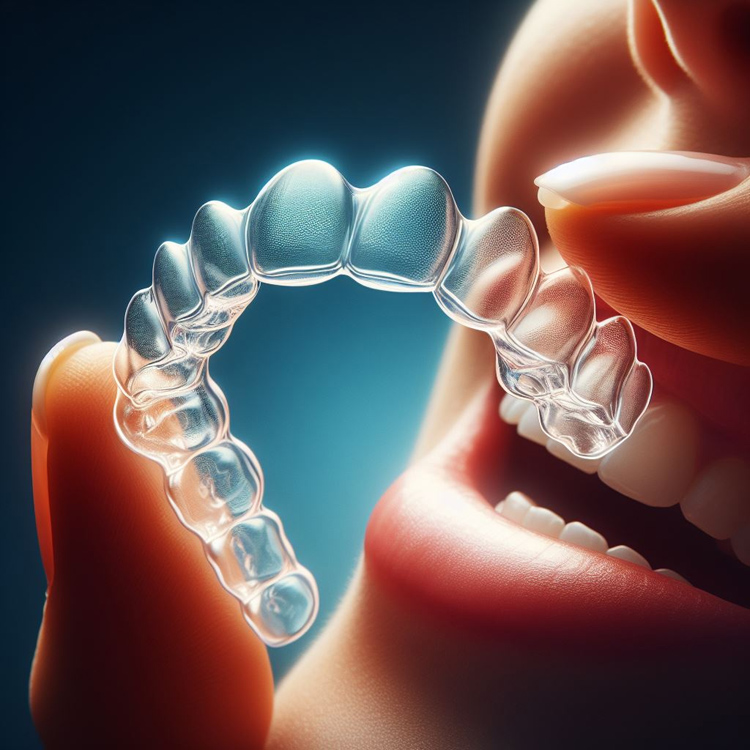
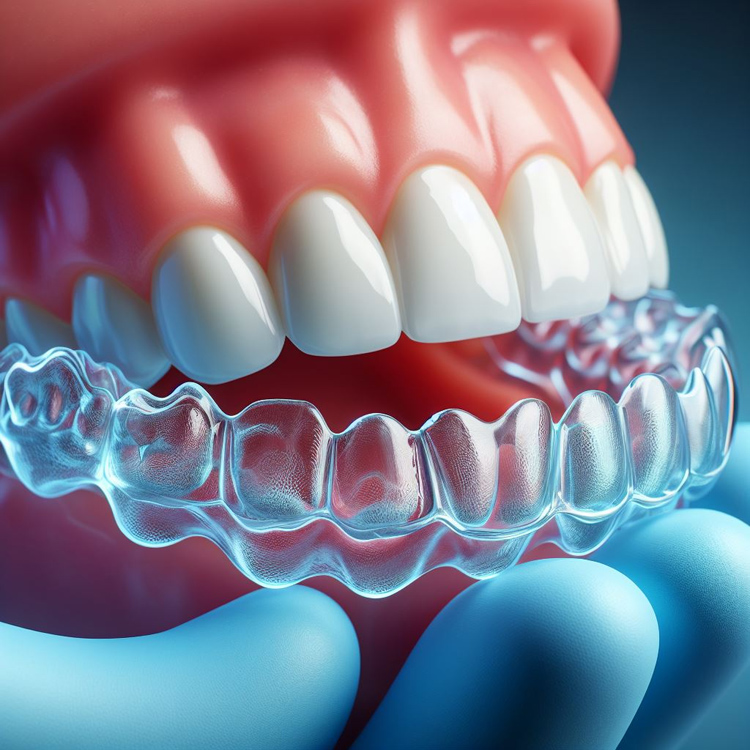
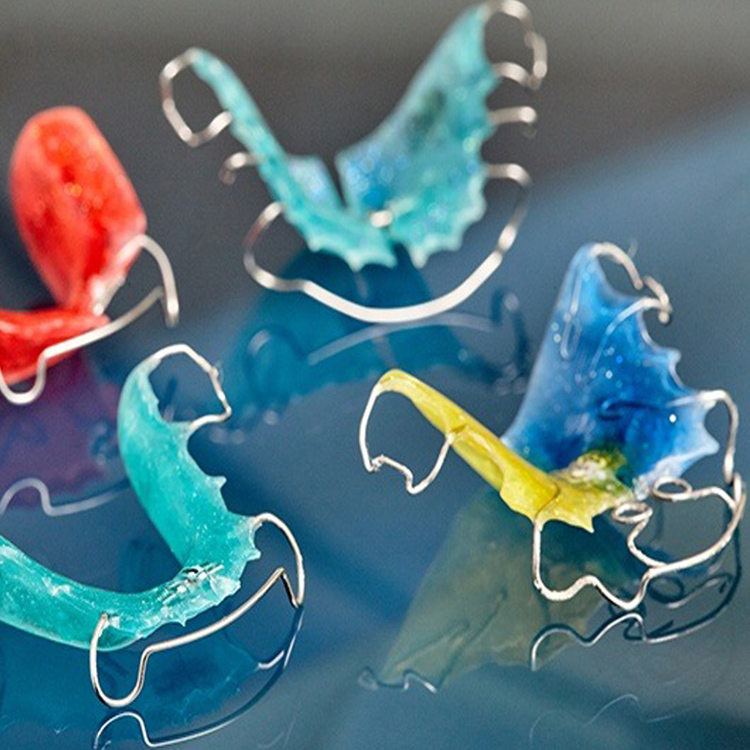
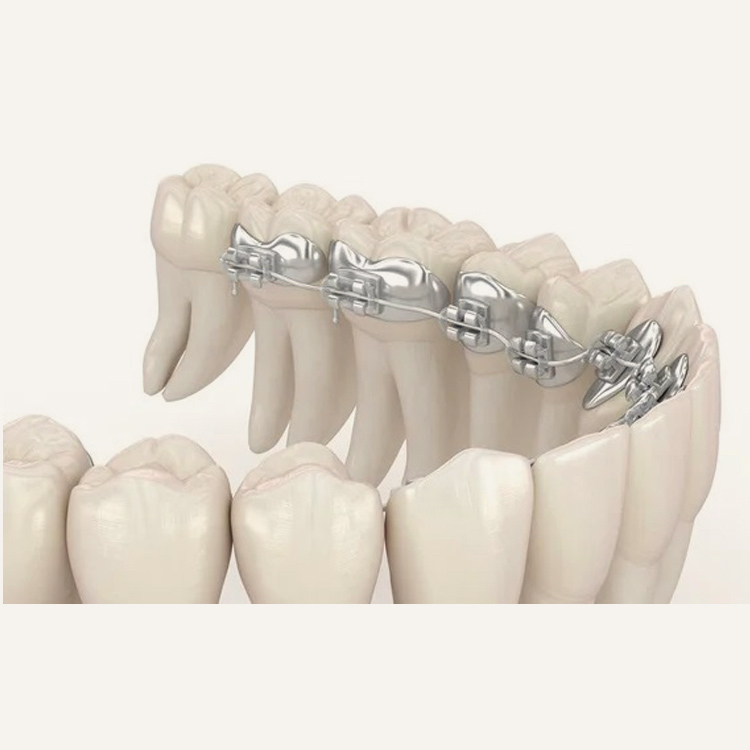
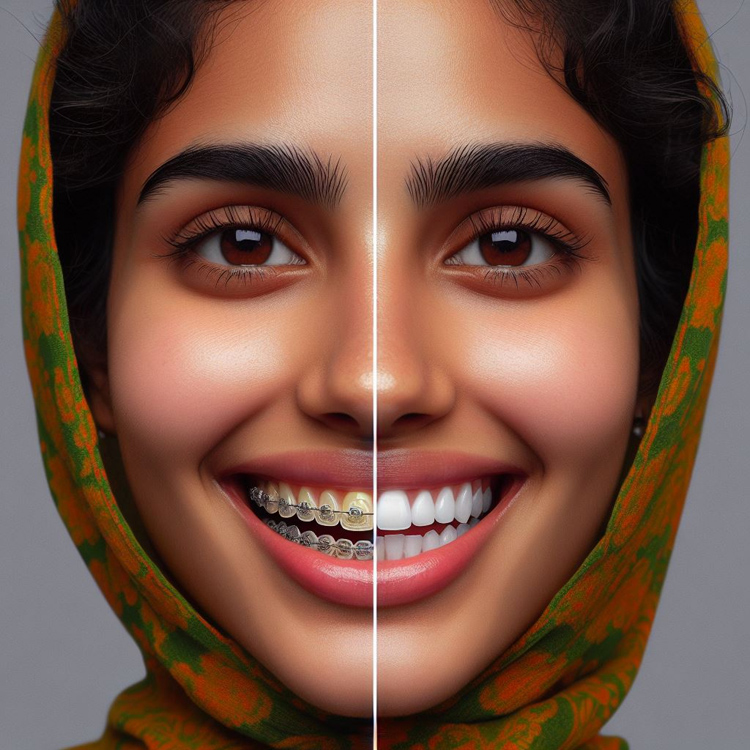
Orthodontist: Should the deformed teeth create significant gaps between them or result in improper alignment then an orthodontist utilizes traditional metal/bonded brackets and/or transparent clear plastic aligners to properly realign your teeth prior to placement of cosmetic restorations.
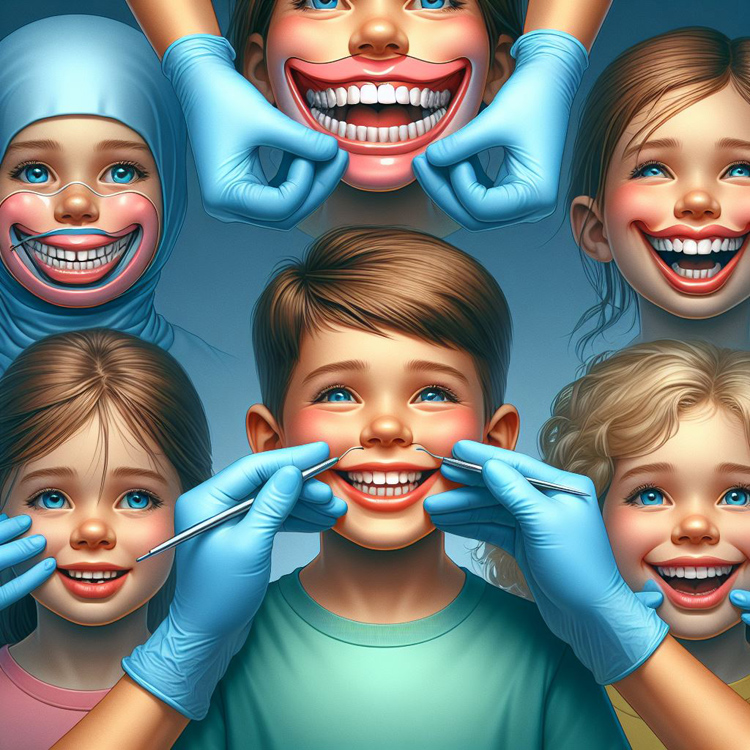
Pedodontist (Children’s Dentist): Responsible for recognizing developmental issues occurring in early childhood and providing space management guidance as permanent teeth emerge.
Variations in tooth shape developed as a result of developmental conditions are considered emergencies thus enabling sufficient time for researching/planning your care. Since these variations occur gradually over time they do not demand immediate or emergency-type interventions.
However, the timing of treatment is important. Peg lateral correction and other treatments for small size/misshape are ideally completed once growth ceases on your jaw bone - usually sometime late in adolescence/adult hood. Treating these anomalies early in adulthood will minimize long term ramifications such as adjacent shift in position due to lack of adequate support from malformed teeth, or continuous wearing down/enamel loss on opposing/tooth surfaces.
Can I change my tooth shape naturally?
No. Once you reach maturity your enamel cannot reshape/re-grow itself naturally. Thus cosmetic remedies such as reshaping via composite shaping, veneering/crowning are required to modify shape/sizes.
Do reshaping a deformed tooth result in long-term hypersensitivity?
Current cosmetic treatments emphasize preservation of as much natural tooth structure as feasible. Methods involving minimal invasion such as composite bonding remove no enamel whereas methods requiring more invasiveness such as veneering/crowning only require minimum removal of enamel thereby assuring comfort/safety for your teeth.
How prevalent are genetic tooth shape disorders?
They occur relatively frequently. Small deviations, particularly peg-shaped lateral incisors, and limited size differences among front teeth are relatively common and easy to address routinely through dental practice across Kerala.
Many patients believe that correcting these types of problems requires invasive treatment. However, today's cosmetic dentistry focuses on preserving as much structure as possible. Therefore, using state-of-the-art composite bonding techniques along with thin porcelain veneers allows me to create aesthetically pleasing smiles while minimizing the amount of tooth structure removed. Not only does this approach produce a confident, natural looking smile it provides optimal chewing efficiency for the remainder of the patient's lifetime.








.jpg)
.jpg)
.jpg)
.jpg)

.jpg)
.jpg)
.jpg)
.jpg)
.jpg)
.jpg)
.jpg)
.jpg)