.jpg)
Pathological Tooth Migration (PTM) is an unwanted shift of teeth from their normal positions. The tooth is held firmly in place by the periodontal ligament (PDL), but when periodontitis causes the destruction of the fibers in the PDL, or when the tooth is subjected to more force than the PDL can withstand, the tooth will migrate sideways, tip, rotate, or even pull out of the gum. The tooth may lose its proper position and become displaced from its original location, creating unevenness in the occlusion of all teeth involved.
Definition: Migration of a tooth due to chronic periodontitis, unreplaced missing teeth, or traumatic forces.
Signs indicating urgency: Any sudden change in alignment of teeth, any increase in spacing between teeth (diastema), any localized throbbing, any increased tooth mobility.
Common causes: Periodontitis, failure to replace a tooth post-extraction, or severe bruxism.
Types of treatments: Scaling and root planing, bone grafting, clear aligner therapy, dental implants/bridges.
The symptoms of PTM include small changes in tooth positioning followed by visible and tactile functional problems of the tooth.
Visible symptoms: A patient usually notices a gap developing between the two front teeth as a result of an advancing midline diastema. Teeth that have been extruded upward from their sockets can develop an elongated appearance and expose the yellow color of the exposed root surface, which is now lacking a protective layer of enamel. Individual teeth may be noticeably angled forward or tilted off center.
Tactile symptoms: Migratory teeth disrupt the patients' bite relationship and create a premature contact point between certain teeth when chewing. This altered structural relationship exposes the root dentin of those teeth to hot/cold foods and drinks, creating stabbing pain. Additionally, many patients report feeling as though one or more teeth "rock" when they lightly tap their tongue against a migrated tooth.
While slow and continuous drifting should be evaluated through scheduled appointments with your dentist, some acute clinical signs require immediate evaluation by your dentist before irreversible tissue damage occurs:
Aggressive mobility: A quick development of excessive horizontal or vertical motion with light pressure applied to a tooth demonstrates rapid destruction of alveolar bone surrounding the root.
Abscess formation: A localized painful abscess forming on a migrated tooth indicates a current infection in the deep tissues surrounding the tooth.
Continued dull pain: chronic low-grade throbbing pain from traumatic forces exerted on the pulp chambers of a tooth over time.
Lock jaw / TMJ pain: A migrated tooth blocks normal jaw closure resulting in strained muscles and potential long-term injury to the temporo-mandibular joint (TMJ).
Tooth migration is created by an imbalance of structural forces supporting a tooth at equilibrium.
Chronic Periodontitis: Periodontitis is the most common reason for PTM. Calculus formed beneath the gingiva stimulates chronic inflammation, which dissolves the periodontal ligament fibers and alveolar bone supporting each tooth. Therefore, normally functioning teeth are pushed horizontally or vertically from their normal positions by simple actions such as eating or speaking.
Missing teeth: Removing a permanent tooth without replacement creates a structural void. The neighboring teeth naturally tilt toward the open space, while the opposing tooth in the opposite jaw has lost its biting partner and moves vertically into the open space.
Bruxism: Repeatedly applying strong lateral forces to a compromised bony base through chronic parafunction, i.e., nocturnal bruxism, displaces teeth out of their aligned positions mechanically.
There are multiple systemic factors that enhance both speed and degree of tooth migration.
|
Category of Systemic Influences on Tooth Stability |
Influence on Structural Integrity of Tooth Support Systems |
|
Systemic Diseases |
Type 2 diabetes compromises an individual's immune response thereby promoting faster rates of bone resorption and delayed recovery times for damaged ligaments. |
|
Family History |
Individuals with a family history of aggressive forms of periodontitis experience greater degrees of bone loss earlier in life thereby increasing their rate of structural collapse. |
|
Age |
As individuals mature, they naturally lose bone mass around their alveolar ridge making it increasingly difficult to resist grinding and occlusal wear (attrition). |
|
Eating Patterns |
Repetitive application of extreme forces onto teeth through biting on hard materials (stones) commonly found in locally produced whole grain cereals results in mechanical trauma that accelerates tooth migration |
Perform this visual/tactile examination in a well-lit mirror without using any equipment:
Alignment Examination: Smile normally and examine your lower front teeth from an angle. Observe whether any single incisor falls below or protrudes more than the remaining teeth in your dental arch.
Gap evaluation: Assess for newly developed or widened triangular-shaped areas adjacent to your gums. Evaluate if food consistently becomes trapped in spaces throughout meals.
Fremitus Evaluation: Place your index finger lightly against the front surface of a suspected migrated tooth and chomp your teeth together repeatedly. A vibration or jolt felt during biting indicates traumatic occlusal forces are shifting the tooth.
Your dentist will utilize a multifaceted diagnostic approach to evaluate and identify the amount of pathologic migration present.
Clinical Diagnosis: Your dentist will map out your upper/lower anterior/diagonal/posterior teeth utilizing a standardized chart. Your dentist will then utilize a calibrated periodontal probe to measure the pocket depths between your gums and teeth. All pocket depths of 4mm or greater are considered abnormal since they indicate separation of structures and/or progressive bone loss.
Diagnostic Imaging: X-rays evaluate horizontal/vertical bone loss associated with the root(s) surrounding all teeth. These radiographs help identify any unseen structural defects that are contributing to tooth migration.
Health Status and Bite Mapping: Your dentist evaluates vitality of your internal pulp chambers via cold stimulation/electrical impulses. Articulating paper helps map out your biting relationships to identify high-pressure contact points contributing to your PTM.
Your dentist assigns a degree of severity for your PTM to assist in planning your reconstruction process.
Mild: Minimal displacement or spacing (less than 1mm) exists between teeth. Less than 20% alveolar bone loss is evident on radiographs. Teeth remain solidly positioned in their respective sockets with no detectable mobility.
Moderate: Movement/displacement/vertical extrusion ranges from 1-2mm. Pocket depth ranges from 4-7mm. Horizontal bone loss averages 20%-50%. Horizontal mobility of teeth is evident.
Severe: Horizontal displacement/vertical extrusion exceeds 2mm. Teeth appear significantly flared or exhibit exposure of their roots. Greater than 50% bone loss exists. Teeth display significant horizontal/vertical mobility producing discomfort/chewing pain during mastication, putting the integrity of the tooth at serious risk.
Treatment options for correcting migrated teeth involve a step-by-step process that first removes pathology and allows the patient's teeth to be properly aligned so they can maintain optimal oral hygiene and occlusal function.
Periodontal treatment: It is essential to stop infection before attempting to correct any type of structural malalignment. Scaling and root planing can remove sub-gingival plaque/calculus. Bone grafting/surgical pocket reduction may be performed to restore previously lost support structures around migrated teeth.
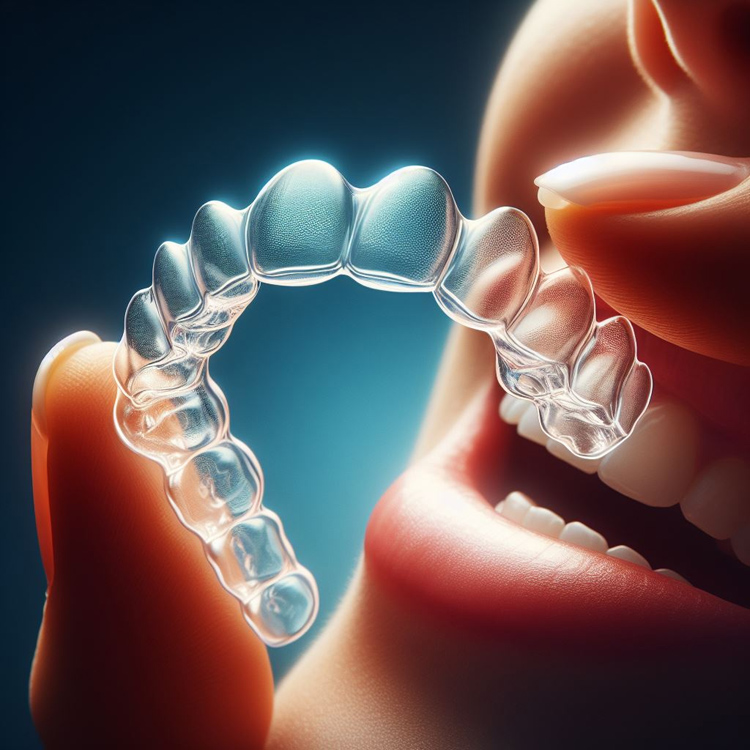
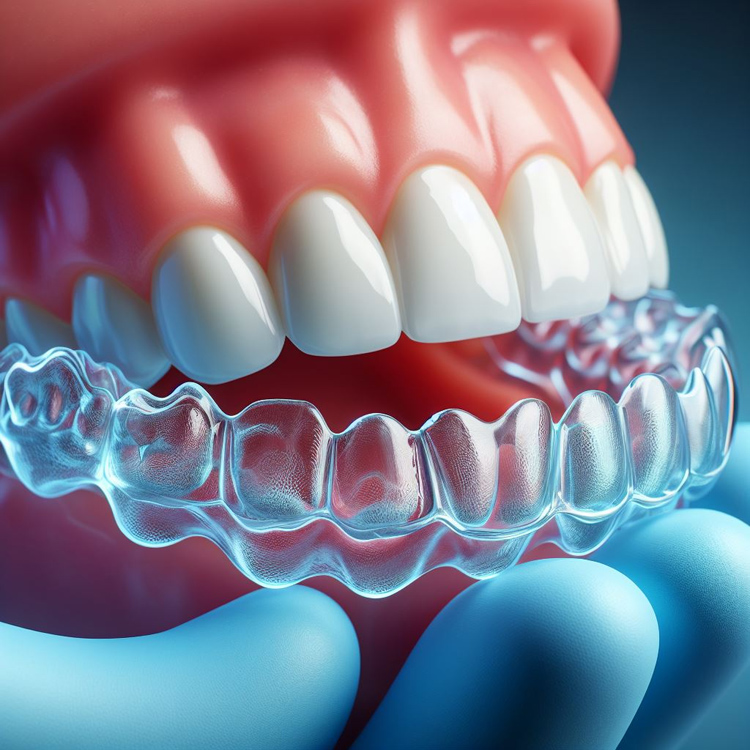
Alignment or replacement: After removal of infection and stabilization of previously migrated teeth, an Orthodontist may employ clear aligners to slowly apply controlled gentle forces to redirect migrated teeth back into proper alignment. In cases where a tooth cannot be saved, it is removed/replaced with either a zirconium dental implant or a fixed bridge.
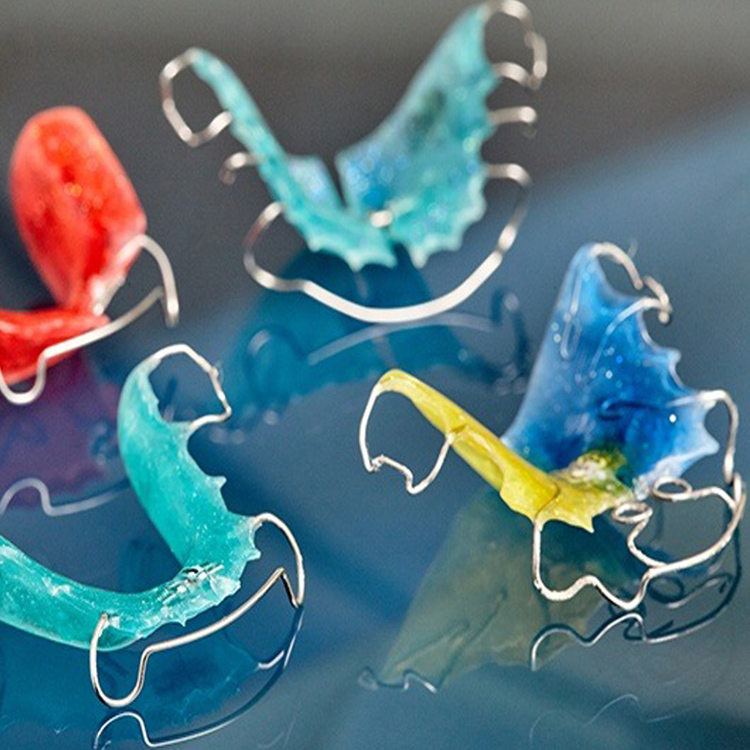
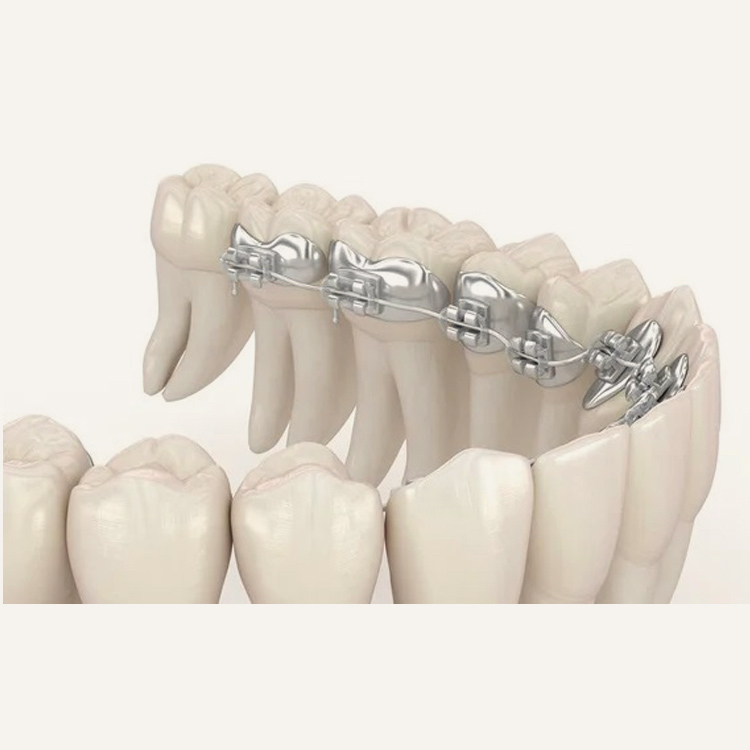
Splinting: Due to a high probability of relapse after removing infectious pathogens, splints may be placed on the posterior surfaces of previously migrated teeth to stabilize them together as a unit.
Costs vary depending on location and provider. Prices listed are approximate cost estimates within India for patients seeking services in major medical centers like Kerala:
Scaling & root planing: ₹3,500 to ₹8,000 for full mouth debridement.
Bone grafting surgery: ₹12,000 to ₹25,000 per surgical site.
Clear aligner therapy: ₹60,000 to ₹1,80,000 dependent on degree of misalignment/completeness of smile esthetics.
Dental implant/zirconia crown: ₹30,000 to ₹55,000 per tooth unit.
None of these treatments are covered under basic health insurance plans offered in India. Corporate dental policies and specific riders added to standard medical insurance plans occasionally offer limited coverage for x-rays related to diagnosis; extractions required to alleviate symptoms; or prophylactic cleanings/deep cleans.
Multiple specialties collaborate to successfully manage pathological migrations:
A General Dentist diagnoses issues and manages the overall treatment plan including coordination with specialists.
A Periodontist treats advanced gum disease and performs Bone Grafting Surgery.
An Orthodontist provides safe methods for repositioning the teeth using clear aligners.
A Prosthodontist designs/delivers custom-made implant/prosthetic appliances to replace missing links in the arch.
The urgency of seeking care is dependent upon the severity of your acute symptoms.
Emergency care (within 2-4 Hours): You should seek immediate emergency care if your tooth has developed a painful abscess at the site where the tooth had migrated and there is facial swelling or a fever. This is an indication that there is an active infection that needs to be immediately drained.
Urgent care (within 24-48 Hours): You will need to schedule an urgent appointment if a tooth becomes significantly loose or if a tooth moves quickly over a weekend. The loose tooth may require an immediate bite adjustment to help prevent further ligament damage.
Elective (within a few weeks): If you have been observing a gradually developing, pain-free space opening up between two teeth for many months; then you can safely make an appointment for a comprehensive multi-specialty consultation with a dentist within a few weeks.
Do teeth move back into their normal positions after gum treatment?
No. Gum disease treatment does nothing to physically restore lost function or move teeth back. To safely move a migrated tooth back into its proper position, professional clear aligners or prosthetic appliances are needed.
Why would I suddenly develop a gap between my upper front teeth in my late 40s?
A sudden development of a gap between the upper front teeth typically means that you have a case of periodontitis. Periodontitis causes chronic inflammation of the gums and eventual breakdown of the bone structure beneath your teeth. With this breakdown occurring, your front teeth can become weakened enough that they will easily tip outward as you swallow or as your tongue presses against your upper palate during speech, thereby creating a fanning effect.
Can I safely wear clear aligners if my teeth shifted due to bone loss?
Yes. But only after a Periodontist has treated and stabilized all of your gum disease. If you try to move your teeth while still experiencing active inflammation of your gums, the process will accelerate bone loss and ultimately lead to tooth loss. Once you have received full stabilization of your gums through treatments from a Periodontist, an Orthodontist can utilize gentle, customized forces to slowly move your teeth back into their original positions.
Tooth migration is one of those signs of extensive structural deterioration to the dental foundation. Therefore, prior to initiating any tooth movement, in clinical practice we must treat the patient's inflammatory periodontal condition until it is totally resolved and remove any trauma resulting from the uncorrected abnormal masticatory forces. Although current interdisciplinary care techniques using bone regeneration, mechanical aligner therapy, and long term splinting can effectively stabilize and preserve otherwise hopeless dentitions; early detection continues to be critical to preserving whatever remaining alveolar bone exists.








.jpg)
.jpg)
.jpg)
.jpg)

.jpg)
.jpg)
.jpg)
.jpg)
.jpg)
.jpg)
.jpg)
.jpg)