 Treatment
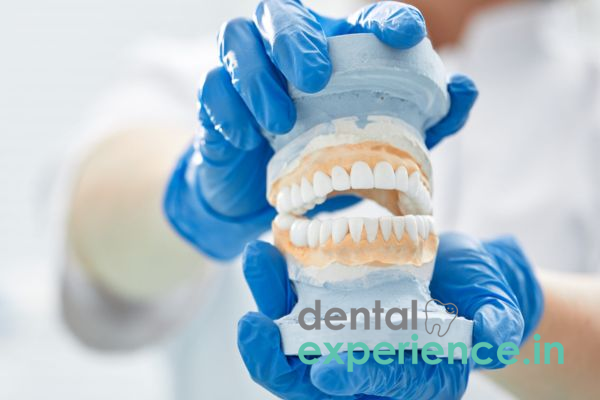
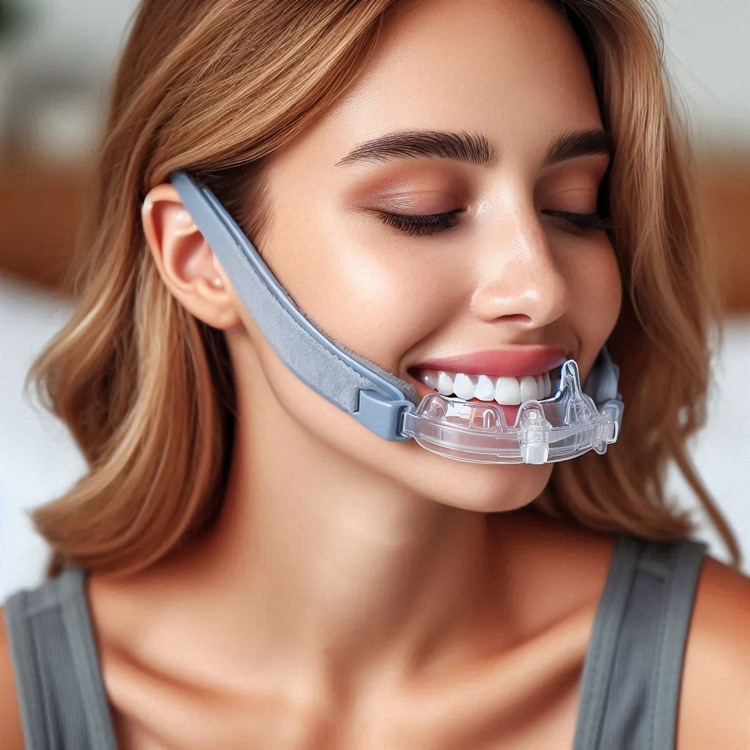
Bite Repositioning Therapy is a dental treatment used to correct bite misalignment (malocclusion) and temporomandibular joint (TMJ) disorders. It involves the use of oral appliances, orthodontics, or restorative dentistry to reposition the lower jaw for a more functional and comfortable bite.
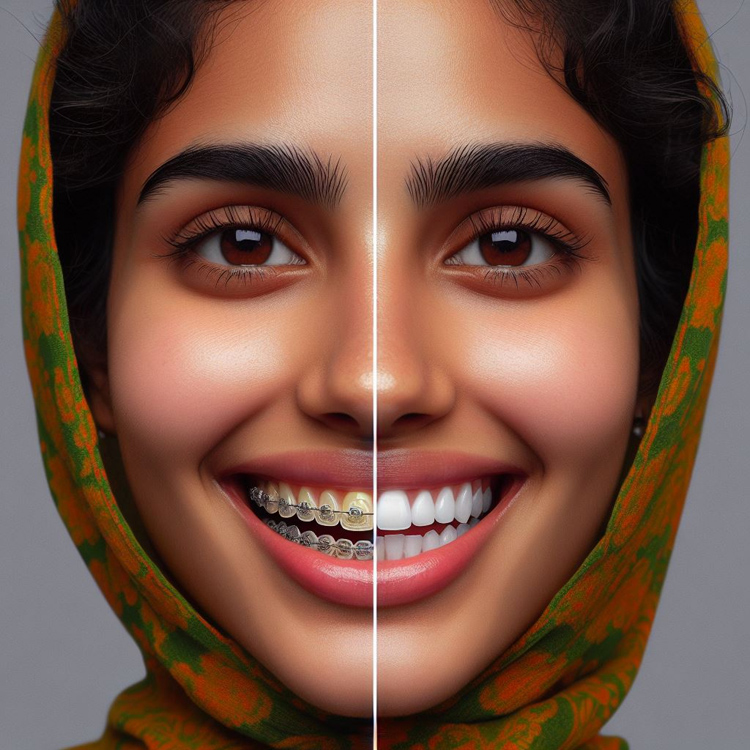
Bite Repositioning Therapy is an advanced dental treatment option that can help resolve orthodontic issues and correct misaligned bites. This treatment is vital in the management of malocclusions that can contribute to problems with uneven wear on the teeth, jaw discomfort, and even temporomandibular joint (TMJ) disorders. Ongoing evolution of this non-invasive procedure addresses personalized patient solutions while also benefiting aesthetic and oral hygiene.
Bite Repositioning Therapy aims to achieve that allows the teeth and jaws to work harmoniously with each other. A misaligned bite can lead to several dental issues such as speech troubles, chewing difficulties, and a greater risk of gum disease. The idea behind the therapy is to redistribute the bite so that discomfort can be eased, and future dental problems can be prevented, thus improving the health of dental restorations.
The Bite Repositioning Therapy is most effective for patients with overbite, underbite, and crossbite. People who suffer from TMJ disorders, chronic jaw pain, or considerable tooth wear might also be excellent candidates. This therapy can also be utilized for patients who've completed orthodontic treatments in the past but need refinements to establish proper occlusion.
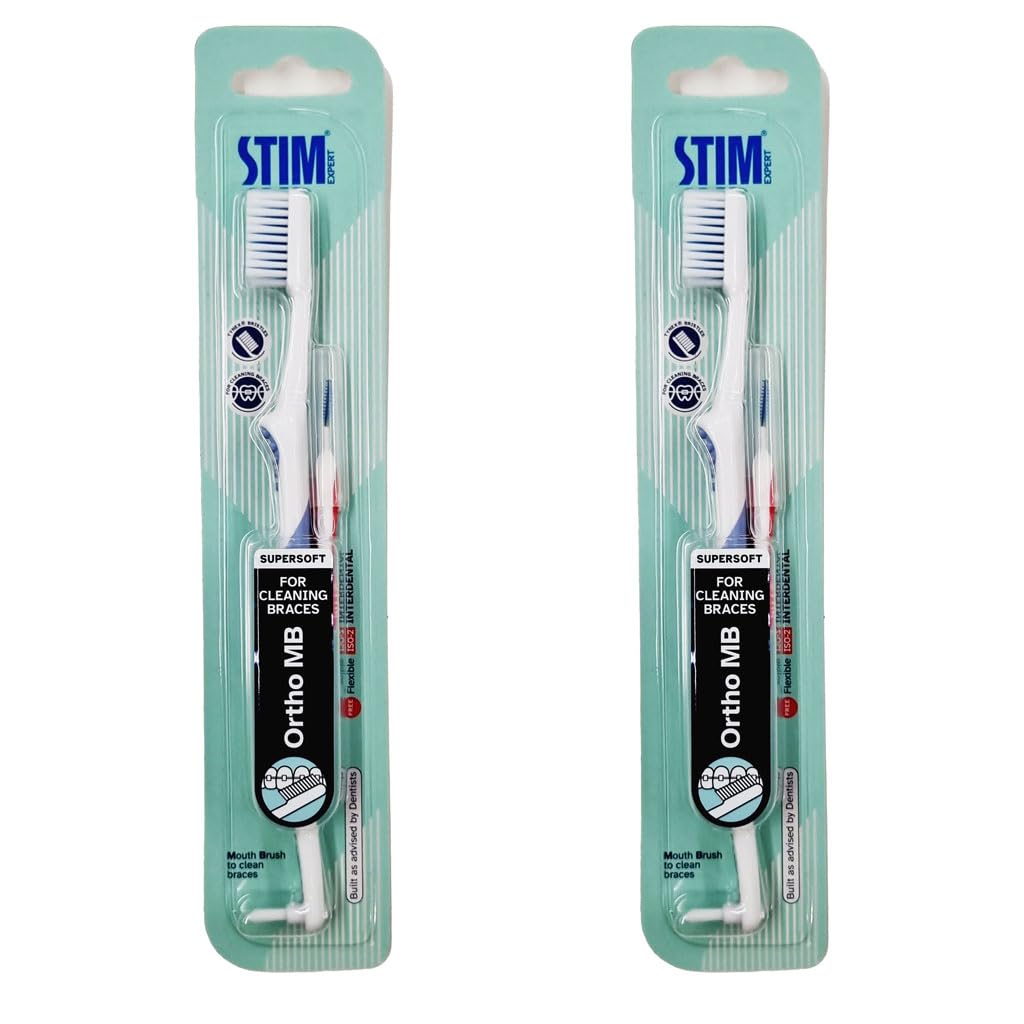
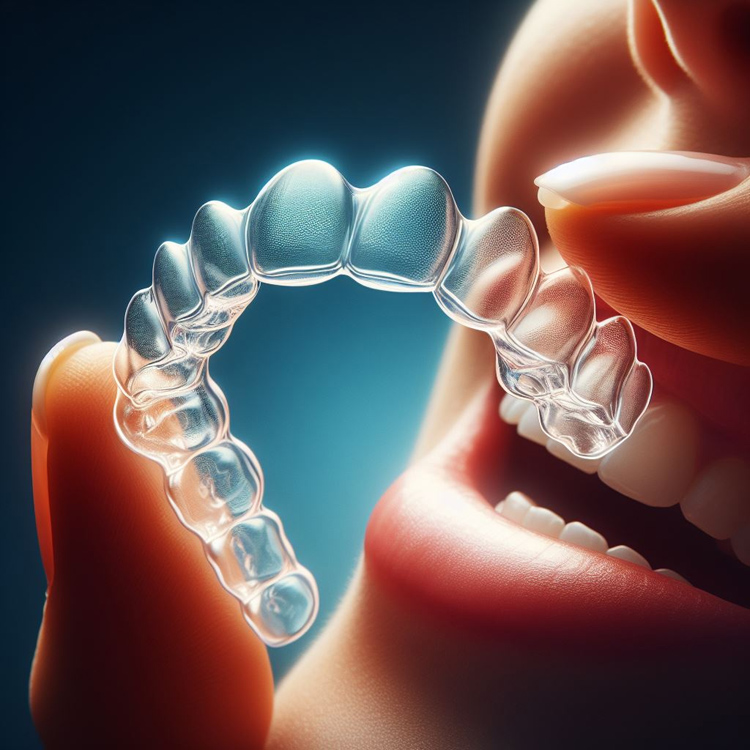
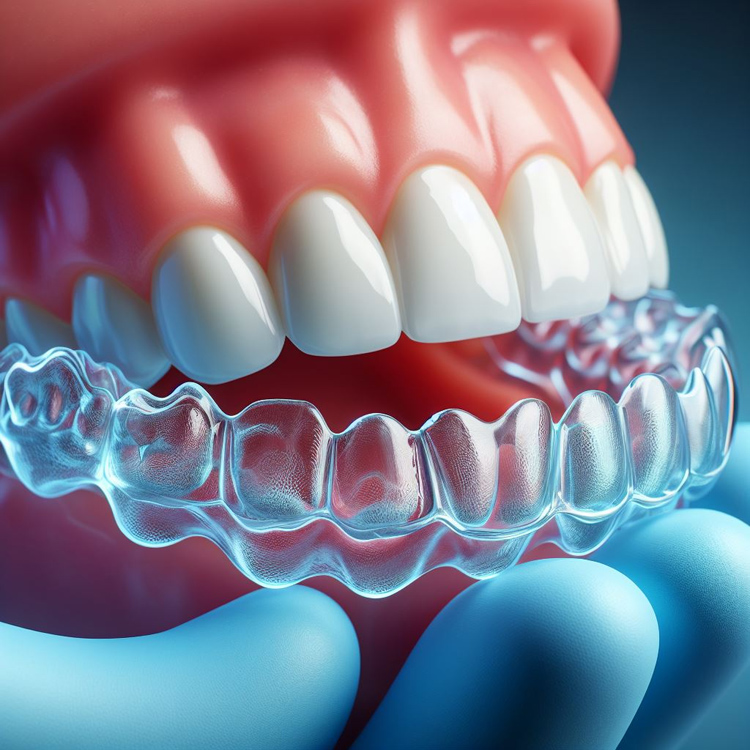
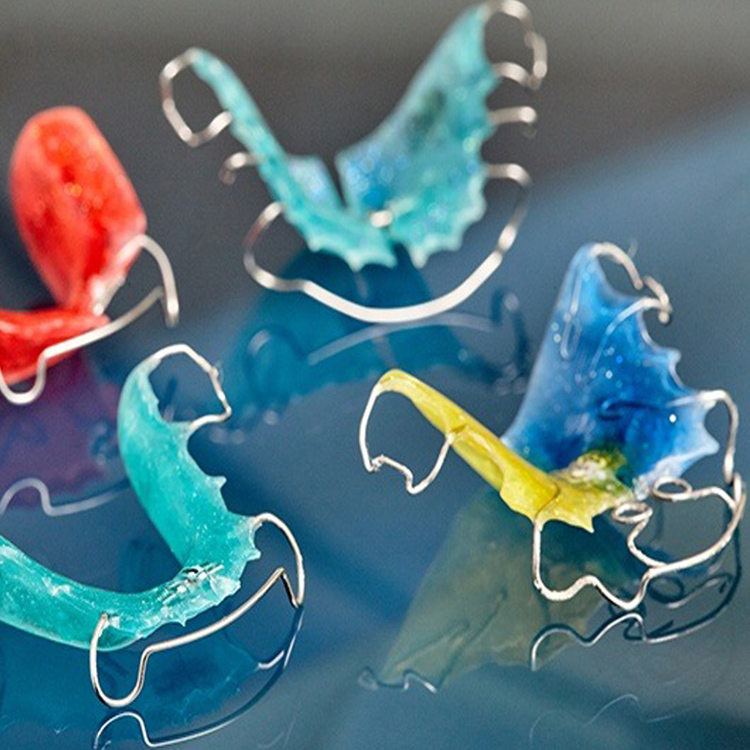
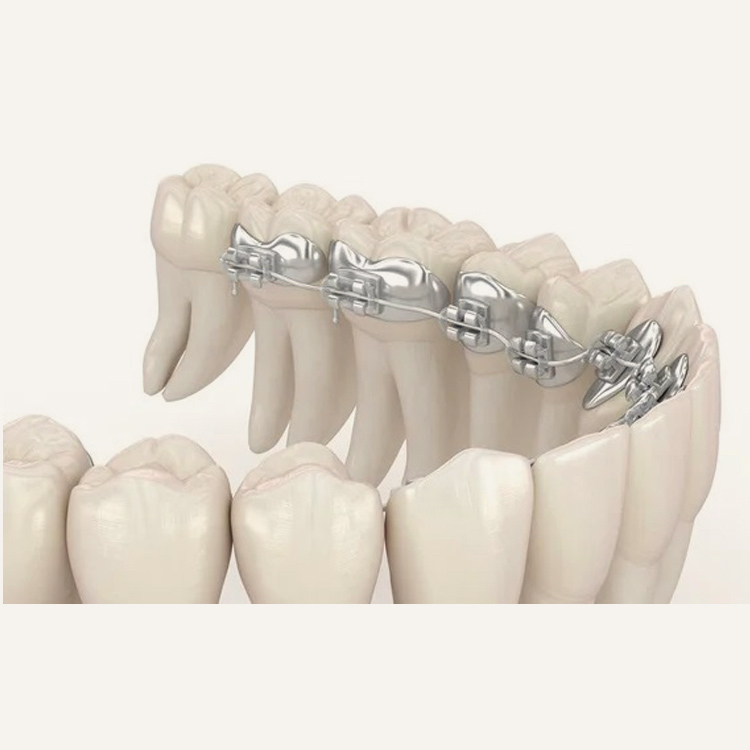
There are numerous methods of Bite Repositioning Therapy, which is variable and based on the dental need of that individual patient. Common types include:
Bite Repositioning Therapy is typically a step-by-step process:
Bite RepositioningTherapy is minimally invasive and tends to require far less downtime compared to some surgical intervention. It provides an individualized treatment plan that can be combined with other dental services, including orthodontics or restorative dentistry, meaning you can do more than one treatment at a time for a comprehensive approach to dental correction.
The results of Bite Repositioning Therapy are meant to last. Patients can experience improved bite over many years with proper dental hygiene and follow up sessions. Results may vary individually, but review visits and minor adjustments keep the enhanced bite stable and lasting.
The treatment time depends on the complexity of the case and the method that is used to treat it. Initial adjustments can be done in one or two visits, while full treatments may span weeks or months. Recovery is usually rapid and uncomplicated, with most people returning to normal activities in a few days.
The cost of Bite Repositioning Therapies depends on the type of treatment chosen and the location of the clinic. Most dental offices have flexible payment plans available, and offer this treatment to a wider population. It is always best to consult your dentist for an accurate quote based on your personal requirements.
Possible drawbacks include transient sensitivity, mild soreness or uneven adjustments that may need follow-up treatments. But these risks are minimized when handled by qualified dental professionals.
Although Bite Repositioning Therapy has a lot of positive features, it is not ideal for everyone. When the misalignment is significant, this can lead to a lengthy treatment time for some patients. Moreover, multiple treatments may be a hassle for people who lead busy lives. In the rare occasions when the therapy is not performed properly, additional adjustments may be needed, possibly driving up the overall price of treatment.
While some patients may not respond to Bite Repositioning Therapy, or prefer alternative approaches, other treatment options may include conventional orthodontic treatment, surgical bite correction, or occlusal splints. There are advantages and disadvantages to each option. Orthodontics typically works best on younger patients, while structural issues that are quite severe may need surgery. A comprehensive diagnosis from the dental professional will tell which treatment is right for you.






.jpg)
.jpg)
.jpg)
.jpg)

.jpg)
.jpg)
.jpg)
.jpg)
.jpg)
.jpg)
.jpg)
.jpg)