
The clinical term for toothache at night that occurs either suddenly or gradually as you fall asleep is called nocturnal odontalgia. This type of dental pain is typically a result of an increase in the acute inflammation within the pulp chamber of your tooth. The pulp chamber contains the blood vessels and nerve fibers inside each tooth. At night, when you lie down and go to sleep, there is a natural elevation of intra-pulpal pressure against the relatively inflexible walls of dentine; therefore, the pain signal generated via the trigeminal nerve becomes amplified due to increased head blood pressure and the lack of sensory distraction. In addition, nocturnal odontalgia may indicate an underlying problem such as localized dentin hypersensitivity through to severe pulpal necrosis or stress of the temporomandibular joint.
Clinical Definition: Increased intra-pulpal neural pressure and inflammation caused by lying supine.
Emergency Signs: Severe throbbing pain extending into jaw or ear area, face swelling, elevated body temperature, fever, etc.
Recovery Paths: Pulpectomy, Root Canal Therapy (RCT), Night Guards for Bruxism, Micro Restorations.
Context: Frequently seen among residents who consume sweets and teas before bedtime.
Deep Tissue Pulsation Throbbing: This is a steady throb that is in sync with your pulse, typically located at the deepest part of your jaw.
Shock Postural Pain: The sudden increase in pain as soon as you rest your head on an object (pillow) usually occurs within minutes.
Sensitivity to Thermal Shock: More than 30-second lingering pain caused by drinking warm evening tea, or cold water.
Localized Gingival Tenderness: Spongy gums around the inflamed area, adjacent to the involved tooth's root tip.
Radiated Trigeminal Referred Discomfort: Pain radiates up from the face toward the temple, ear canal or down into the neck.
Emergency clinical attention should be sought immediately if you experience symptoms of nocturnal toothache accompanied by systemic red flags. Emergency dental evaluation is warranted when you experience:
Asymmetrical facial structure
Visible pus draining along the gum line
Severe swelling of the submandibular region (risk for Ludwig's angina)
Dysphagia (difficulty swallowing)
Fever greater than 38°C (100.4°F)
Persistent pain that does not respond to typical NSAID treatments indicating spread of infection through facial fascial planes
Irreversible Pulpitis: The entry into the nerve chamber due to bacterial invasion via a deep cavity leads to an extreme local inflammatory reaction which is irreversible in nature.
Nocturnal Bruxism: Unintentionally during sleep, this involuntary action of grinding your teeth generates enormous force (i.e., up to 250 lbs of pressure) causing fractures of the micro-structure of the tooth's enamel.
Fluid Redistribution Due to Posture: When lying down, there is increased micro-vascular pressure within the cranium. As such, swollen pulp tissue expands inside the inflexible walls of the dentin.
Acid Regurgitation Associated with Gastroesophageal Reflux Disease (GERD): Stomach acid flows back up into the mouth at midnight from GERD and as it comes into contact with the palate, it dissolves away portions of the enamel protecting the dentinal tubules.
Cracked Tooth Syndrome: Micro-fractures are generated in subtle ways while you clench; these flex in response to forces produced when you chew and stimulate nerve pathways when these forces are released.
Staples of Your Diet: Consuming sticky sugar products on a regular basis (e.g., unniyappam, jaggery, banana chips), and drinking sugary teas at night (e.g., chaya) followed immediately by failure to brush will increase the risk for developing deep caries and pulpitis.
Untreated Periodontal Pockets: Untreated periodontal pockets create environments conducive to growth of bacterial plaque on exposed soft dentin surfaces.
Accumulated High Stress Levels: Masseter muscle spasms caused by anxiety lead to extreme nocturnal clenching.
Poor Oral Hygiene During Sleep Hours: Failing to brush your teeth before bedtime creates an opportunity for bacteria in the mouth to multiply overnight creating acids used to degrade the tooth enamel.
Carefully perform the following initial assessment by a lit mirror as you do not want to press too hard on the tooth:
Observe the inside of your mouth with good lighting. Look for dark areas/lines/chips/cracks that are visible when you shine a light into your mouth.
Carefully position yourself so that your chin is positioned below your knees for 30 seconds. Evaluate whether the pressure from your fluids increase or induce pain in your jaw.
Very lightly tap the suspect tooth with your fingernail. If there is sudden sharp pain, it may be indicative of periapical inflammation.
Inspect soft tissue around the area including gum redness/swelling/localized swelling/fluid-filled blisters (fistulae).
Digital Radiographic Methods: Evaluation through diagnostic X-rays (periapical and bitewing) to provide information about the presence/absence and extent of loss of bone density, along with nerve canal depth.
Thermal Responsiveness Testing: Use of Endo-Ice (a cryogenic spray) or heat from gutta-percha to determine if pulp vitality exists.
Electric Pulp Test (EPT): Administration of electric stimuli to stimulate nerve responses and establish neural response threshold levels.
Periodontal Probing: Measurement of the distance of pocket formation around the tooth root.
Diagnostic Occlusal Paper: Application to identify contact patterns at biting points.
|
Grade Level |
Structural Condition |
Clinical Presentation |
Primary Action |
|
Grade 1: Mild |
Reversible Pulpitis |
Short, sharp sensitivity to cold air or liquids while lying down. |
Desensitizing pastes, fluoride varnishes, night brushing. |
|
Grade 2: Moderate |
Deep Caries / Partial Pulpitis |
Continuous throbbing lasting 15–30 minutes, keeping you awake. |
Composite restorations, indirect pulp capping. |
|
Grade 3: Severe |
Irreversible Pulpitis |
Excruciating pain, loss of sleep, heat intolerance, facial soreness. |
Root Canal Treatment (RCT) or crown placement. |
|
Grade 4: Critical |
Periapical Abscess |
Severe facial swelling, fever, throbbing spread to the ear/jaw. |
Emergency pulpectomy, abscess drainage, systemic antibiotics. |
Root Canal Therapy: The main objective of modern endodontics is to achieve pain-free tooth conservation using biomimetic materials. For irreversible pulpitis, treatment with root canal therapy that utilizes rotary Ni-Ti (nickel-titanium) files for cleaning out infected tissue while under rubber dam isolation is typically done. After this, a bioceramic sealer is used as an obturation procedure to prevent further infection.
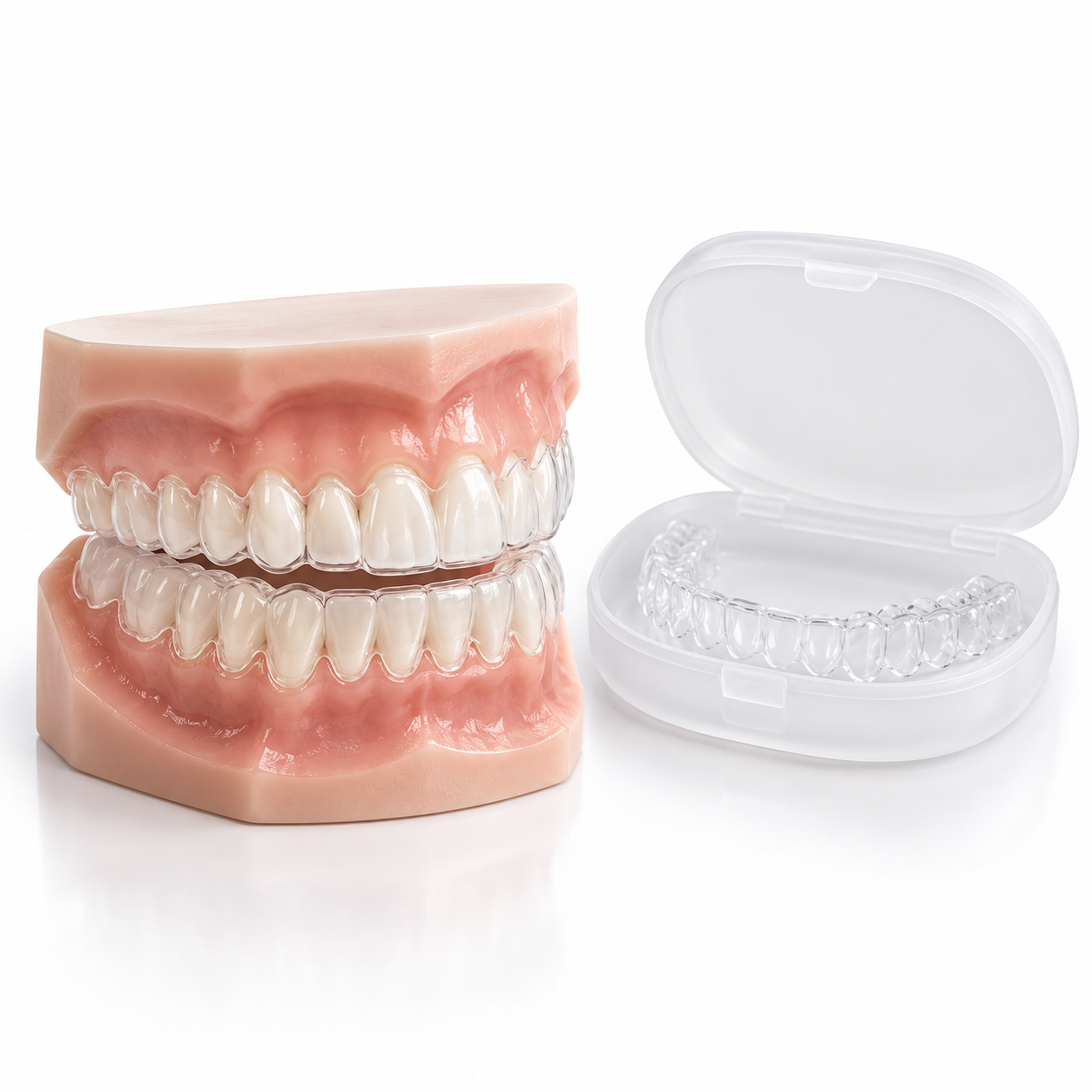
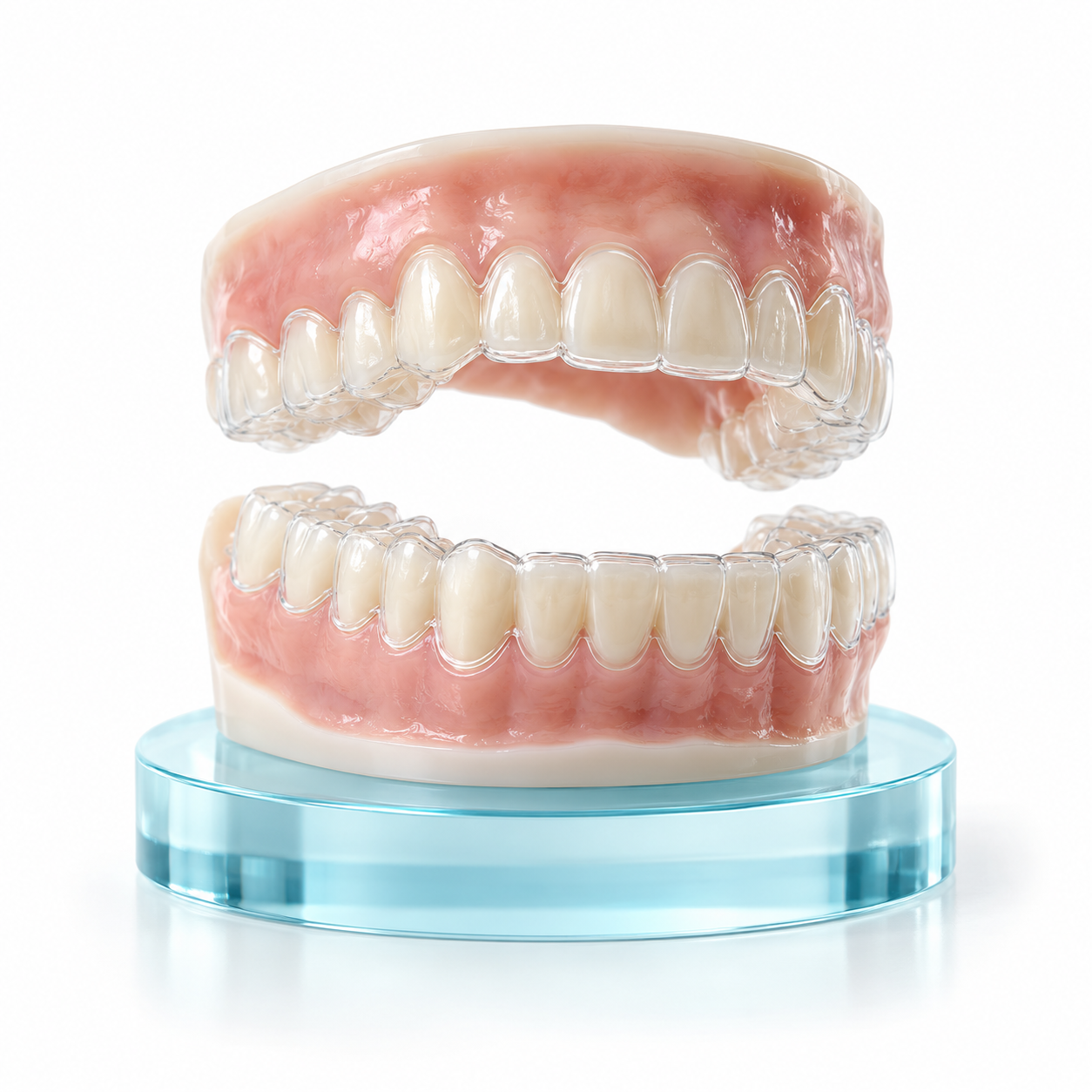
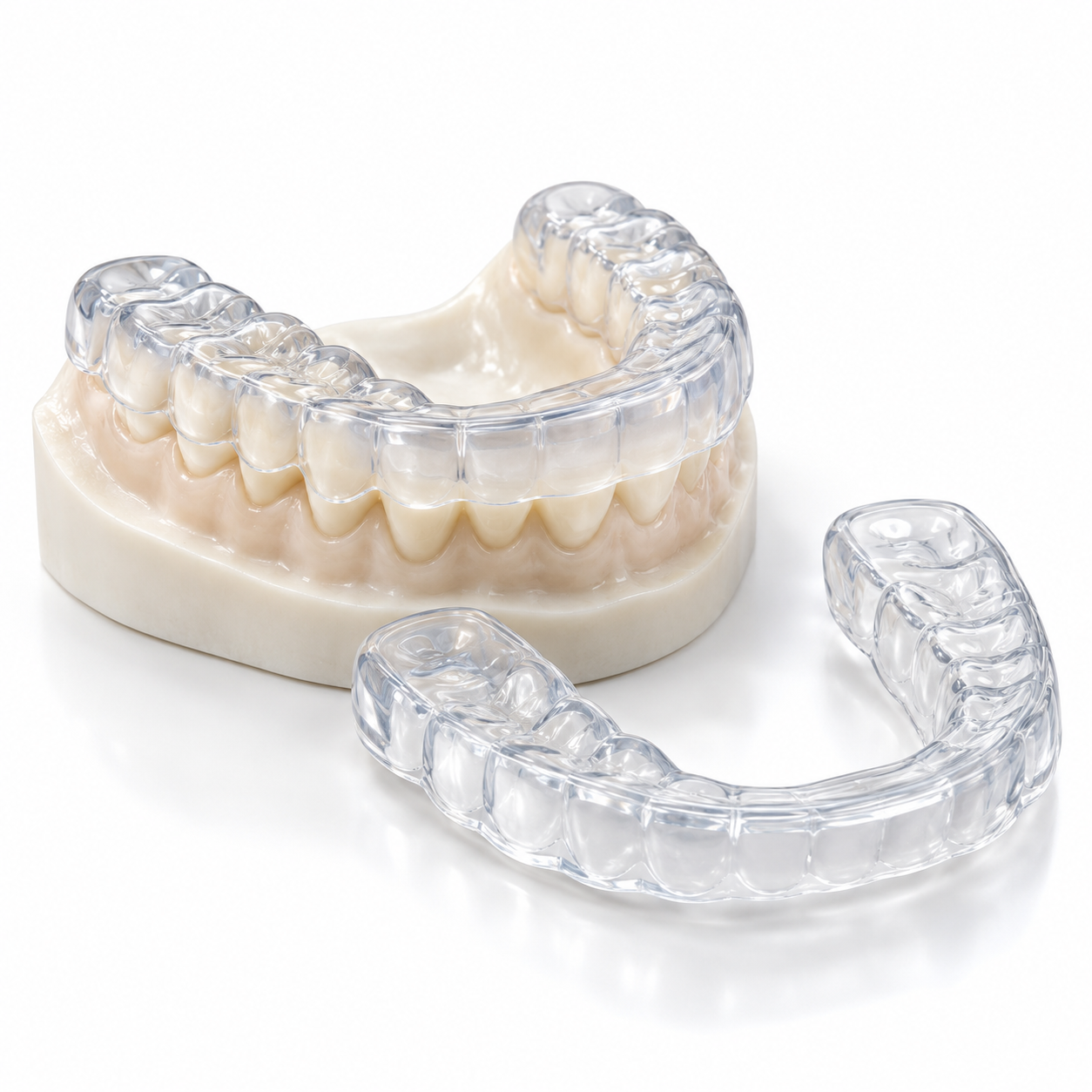
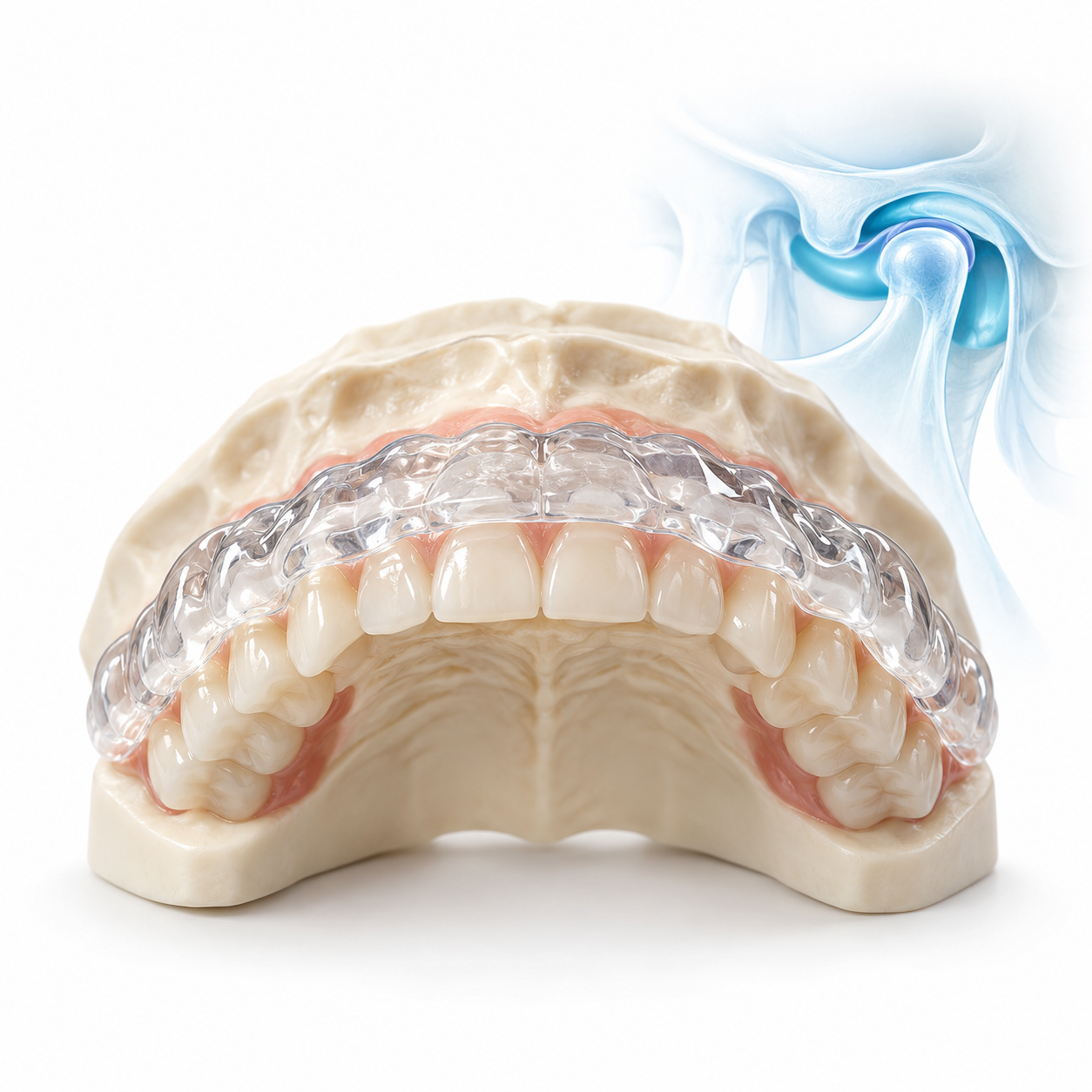
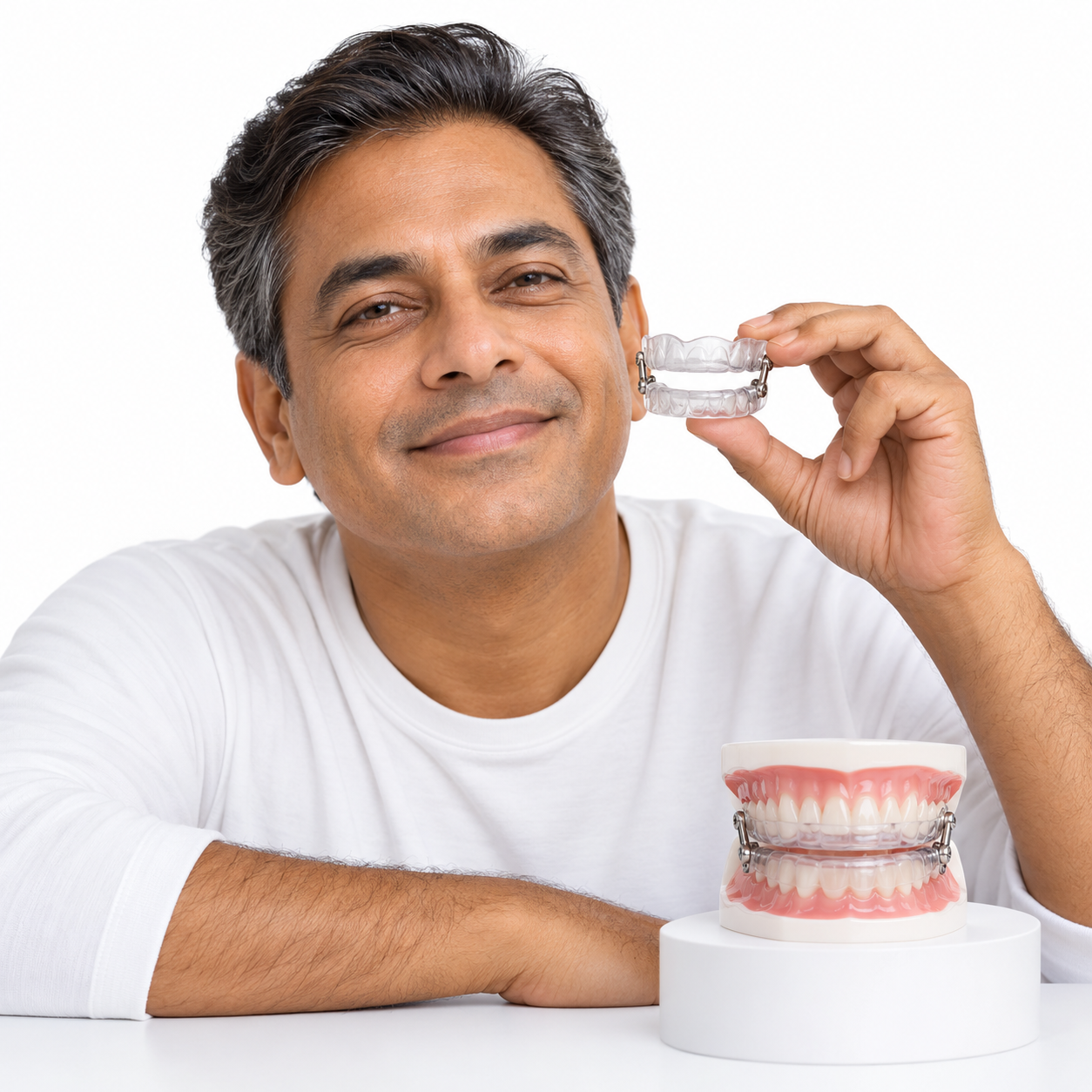
Custom Occlusal Night Guards: Bruxism-induced trauma can be treated using a 3-D printed custom occlusal night guard that absorbs clenching force.
Micro Restorations: Small amounts of leakage into the tooth structure from older fillings are treated with durable resin-based composites (composite resins) or ceramics (ceramic inlays), which restore structural integrity and seal open nerve tubules.
Kerala has numerous dental clinics with varying levels of structural complexity, different types of materials and various forms of clinical technology; therefore, treatment costs vary greatly among them:
Digital X-ray consultation: ₹300 - ₹800
Composite restoration: ₹1000 - ₹2500 /tooth
Root canal therapy (RCT): ₹4000 - ₹9000 (cost varies depending upon whether it is an anterior tooth or a molar tooth)
Ceramic/Bio-mimetic Zirconia crown: ₹5000 - ₹18000
Custom occlusal night guard: ₹2500 - ₹6000
General Dentists: Useful for the first visit to determine what may be wrong; for taking x-rays of your teeth to see if there is anything that needs to be treated; for performing routine dental procedures such as filling cavities; for providing short-term relief for acute pain in an emergency situation.
Endodontists: Required to treat difficult root canals including RCTs, re-treatment of previously treated teeth, and severe pulpal injuries.
Prosthodontists: Recommended for patients with significant problems with their bite requiring full coverage crowns after an RCT, complex bite adjustments, and custom-fit anti-bruxism devices.
Periodontists: Essential for treatment of patients who are experiencing nighttime pain due to a deep pocket infection of the gums, bone loss of the jaw, or a complicated periodontal abscess.
Immediate / Urgent Care (within 2 – 4 hours): Swelling on one side of the face, difficulty breathing or swallowing, having a high fever, or being unable to sleep due to persistent, ongoing pain despite use of over-the-counter medication.
Same Day Care (within 12 – 24 hours): Having extreme sensitivity, inability to sleep through the night due to intense pain, or noticing a constant flow of pus from a tooth.
Scheduled Care (within 48 – 72 hours): Experiencing occasional mild, fleeting sensitivities while reclined in bed but no consistent pain.
Why does my tooth pain worsen while lying on my back, especially at night?
When you lie flat, there is increased blood pressure towards your head; therefore, the additional fluid pressure of that increased blood flow presses against the micro-vessels in the inflamed nerve cavity of your tooth. During nighttime hours, without distraction (daytime), and without normal salivary buffering of acids, pain signal intensity will increase.
What do I have to do to relieve acute toothache pain at home in Kerala overnight prior to seeing a dentist?
You may elevate your head using two thick pillow layers to reduce blood pressure from the increased fluid pressure due to gravity toward your head. Gently rinse your mouth with salted warm water. Use ice wrapped in a towel as a cold compress over the affected area for approximately 15 minutes. Do not consume hot beverages or foods containing sugar. If directed by your doctor/dentist, take anti-inflammatory medication to help manage the associated pain.
Will a root canal be painful if I receive one during an acute night pain episode?
No. The modern local anesthesia methods employed today effectively block all sensation to the tooth and surrounding tissues prior to initiating dental therapy. Once the infected nerve pulp is removed, the severe nocturnal throbbing will cease immediately.
Nighttime (nocturnal) toothache pain is a clinical warning sign for you to take seriously. It should never be put off nor covered up in the long run by use of nonprescription pain relievers. Most of the time, delaying your appointment for professional treatment will result in what was once an easily treated reversible pulpitis developing into severe infection such as periapical abscesses or destruction of bone. A timely endodontic assessment combined with today's advanced tooth-saving restorative techniques can alleviate your nocturnal pain while preserving your natural jaw anatomy and preventing potential systemic problems. Make sure to visit your dentist on a regular basis (every six months), maintain good oral health habits during the night hours, and contact your dentist immediately if you develop tooth pain that disrupts your ability to fall asleep.



.jpg)
.jpg)
.jpg)
.jpg)
.jpg)
.jpg)
.jpg)
.jpg)
.jpg)
.jpg)
.jpg)
.jpg)
This site is part of the DEC Dental Network — a Dental Equity & Connectivity ecosystem of clinical, educational, and patient-support brands operated by Team Dental Pvt. Ltd. Our network works as one — guiding you from your first search to your final smile.
© 2026 Team Dental Pvt. Ltd. · Founded 2013, Angamaly, Kochi, Kerala
About DEC Dental