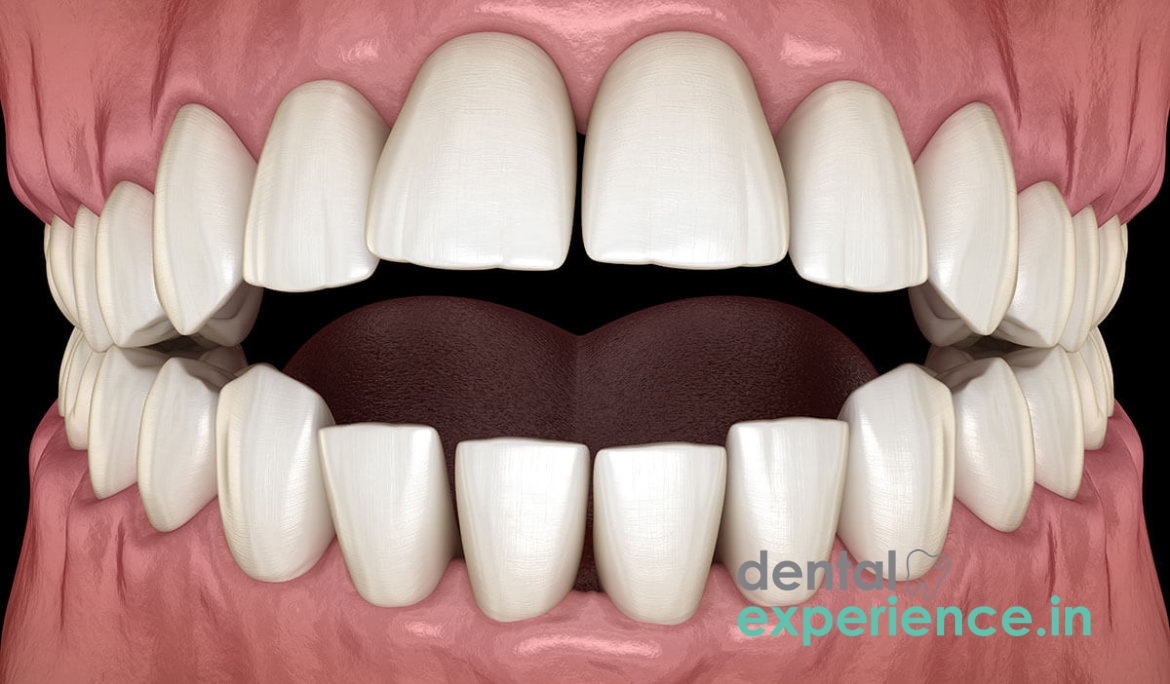
An open bite represents a particular type of dental malocclusion or "bad bite" in which there is a failure of the upper and lower teeth to come into contact when all parts of the upper and lower jaws are brought completely together. As a subset of various types of tooth positional disorders, an open bite produces a significant disruption in the vertical relationship of the teeth.
When viewed structurally, this separation of the teeth results in the uneven distribution of masticatory (chewing) forces along the dental arches. Rather than the evenly distributed stresses experienced when teeth fit together correctly, the bulk of the load associated with mastication is directed onto those few teeth that do engage. Long term use of these localized forces results in functional changes to the temporomandibular joint (the jaw joint) and excessive loads on both the bony support structures and the periodontal ligaments (the connective tissues anchoring the teeth).
Clinical Definition: A vertical gap exists between the upper and lower teeth when the back teeth are maximally intercuspated.
Urgent Warning Signs: Acute accelerated wear on the back teeth, chronic severe pain in the TMJ, inability to chew basic foods (e.g., hard fruits, nuts), speech impediment related to the open bite.
Treatment Options: Clear aligners, traditional fixed orthodontic appliances, functional myofunctional appliances, or, if a skeletal imbalance is identified, orthognathic (jaw) surgery.
Regional Perspective: Currently treated in numerous regional hub offices located throughout Kerala employing Digital scanning technology and high-end clear aligner therapy techniques.
Due to the open nature of their dental occlusion patients experience obvious visual, tactile and physiological symptoms each day.
Visual Symptoms: An evident vertical space remains present between the front or lateral teeth as long as the upper and lower molars are interlocked in maximal occlusion. Thus, individuals with an open bite will have an open space in their smile line where the front teeth would normally be superimposed upon one another horizontally.
Tactile/Functional Symptoms: Incising or shearing food becomes highly inefficient. Biting cleanly through crisp, fibrous, or thin foods—such as a piece of local banana chips or thin papadams—is nearly impossible with the front teeth, forcing the patient to shift food to the back of the mouth.
Physiological Symptoms: Ongoing lisping or difficulty producing certain consonants (as in s, z, t) develops due to natural protrusion of the tongue into the space created between the upper and lower teeth during speech. Dry mouth (xerostomia) has been reported as common among patients with an open bite due to frequent incomplete closure of the lips resulting from the structural deficit of a gap separating the front teeth.
Though a minimal open bite might appear as little more than a cosmetic issue, several clinical indicators exist that represent deep structural strain or irreversible tissue damage:
Chipping and Enamel Loss: Evidence of small cracks or wear on the biting surface(s) of the rear molars. Due to compensation by the back molars for lack of engagement in front, these molars undergo rapid erosion of their protective Enamel layers thereby exposing sensitive dentinal tubules beneath.
Sensitivity to Temperature: Sharp pain lasting for prolonged periods develop within the back molars when consuming liquid at temperatures hot or cold. These symptoms demonstrate inflammation occurring inside the pulp chamber of those molars as a result of elevated chewing forces.
Temporomandibular Joint (TMJ) Dysfunctions: Clicking, popping or dull radiating pain directly in front of the ear is indicative that the jaw joint is undergoing unnatural strain as it searches for a chewing surface.
An open bite is developed as a combination of heritable growth patterns, structural defects and/or long standing behavioral habits formed during childhood:
Non-nutritive sucking behaviors: Thumb/finger sucking beyond age four creates continued upward pressure on upper front teeth and downward pressure on lower front teeth that alter the shape of developing alveolar bone during early development years.
Abnormal Tongue Thrusting: Muscle force exerted by abnormal positioning of the tongue during swallowing creates a mechanical barrier that restricts eruption of front teeth.
Obstruction to Airways: Chronic nasal congestion and/or enlarged tonsils necessitate long term mouth breathing that distorts resting position of tongue and jaw and thus encourages back teeth to grow overly long and separates front teeth.
There are multiple risk factors that contribute to either developing or increasing an existing open bite:
Misalignment of skeletal components: Genetic growth patterns produce a steep mandibular plane angle. This means that the lower jaw grows in a downward, backward direction rather than growing parallel with the upper jawbone.
Macro-glossia: Larger than normal tongues that place increased constant pressure outward on dental arches.
Degenerative Adult Conditions: Progressive degenerative adult conditions (i.e., rheumatoid arthritis, idiopathic condylar resorption in the tmj) can lead to unexpected shifts in bite alignment and drop the back portion of the jaw resulting in an open bite condition that drastically alters face height and jaw function.
To safely assess your bite visually at home use a mirror and a light source:
Relax your jaw muscles.
Swallow and close your jaw as far as possible.
Hold your jaw in a closed position as described above.
Pull your lips back to expose your teeth while maintaining a closed position.
Assess Relationship: Does your upper front tooth overlap your lower front tooth vertically? Is there a clear vertical gap between your tongue and upper/lower teeth where your tongue can slide through? If yes, you probably have an anterior open bite.
Assess Laterals: Are your front teeth engaged but does a gap remain on lateral sides? This indicates a posterior open bite. Do not attempt to press your front teeth together by advancing your jaw forward as this can put undue strain on your tmj.
Diagnosis is made by a trained dental practitioner who conducts a formal assessment process utilizing diagnostic tools:
Occlusal Analysis: Your dentist evaluates how your jaws move and utilizes thin articulation paper to determine exactly where your upper and lower teeth come together.
Radiography/Digital Imaging: Lateral cephalometric radiographs (X-ray images taken from side view of skull) are utilized to analyze angular relationships between jaw bones and skull base to distinguish between skeletal and dental origin for open bite malocclusions. Panoramic X-rays evaluate root health and TMJ status.
3D Intraoral Scans: Digital intraoral scans create 3D models of arches that enable your dentist to graphically depict exactly how your bite functions.
Vitality Testing: If your back molars exhibit evidence of extreme overloading, thermal/voltage testing may be employed to verify internal pulp vitality.
Open bites are categorized according to vertical width of gap present between upper and lower front teeth and whether defect is dental vs. Skeletal in nature:
|
Level of Severity |
Measurement Range for Vertical Gap |
Predominant Structural Features |
|
Mild Dental |
< 2mm |
The jaw bones are properly aligned. The gap exists exclusively within the tooth structure, primarily resulting from childhood non-nutritive habits (like thumb-sucking). |
|
Moderate |
Between 2-4mm |
Gap involves a combination of misaligned teeth and mild skeletal variation. The patient experiences noticeable speech alterations and difficulty cutting thin or crisp foods. |
|
Severe Skeletal |
> 4mm (with skeletal discrepancy) |
Defect is heavily driven by underlying skeletal asymmetry or growth patterns (confirmed via X-ray). Back molars may touch at a single point, creating a large frontal gap that alters facial height and jaw function. |
Advanced orthodontics employs reliable methods for resolving an open bite condition using state-of-the-art materials selected based upon degree of severity of condition:
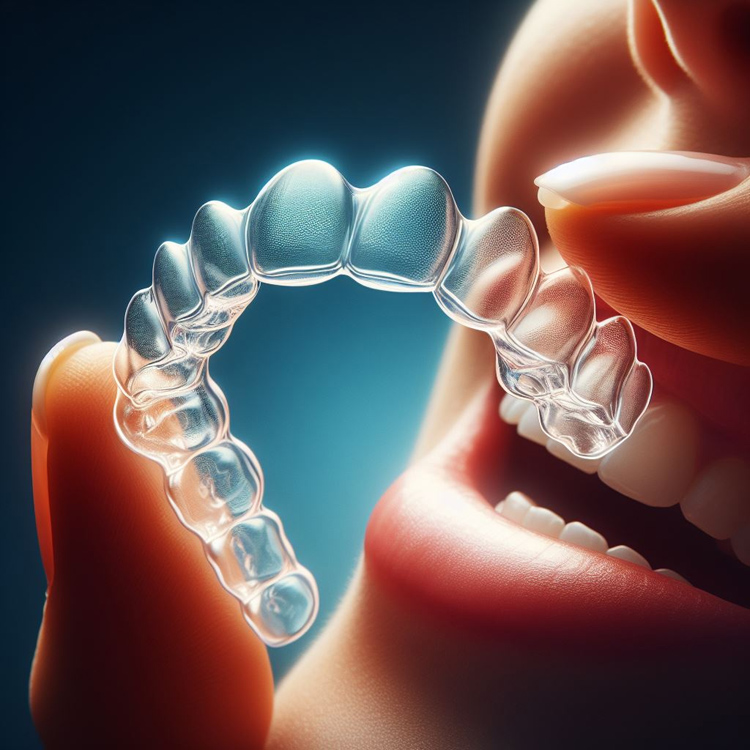
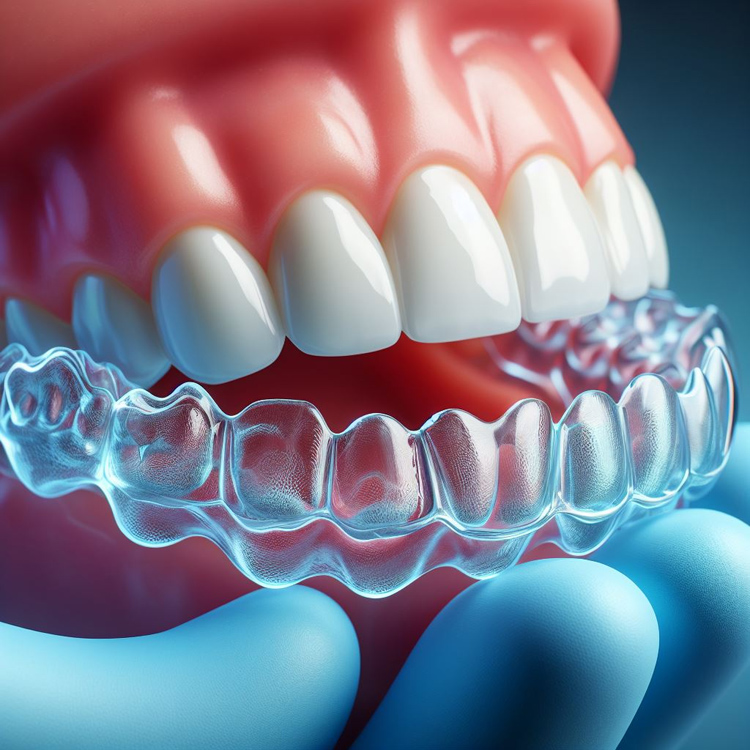
Clear Aligner Therapy: Advanced clear aligners utilize precisely calibrated, sustained pressures applied continuously to intrude (push) back molars into the surrounding bone, simultaneously extruding (pulling) front teeth closer together. This mechanics helps rotate the lower jaw forward and upward, effectively closing mild to moderate anterior open bites.
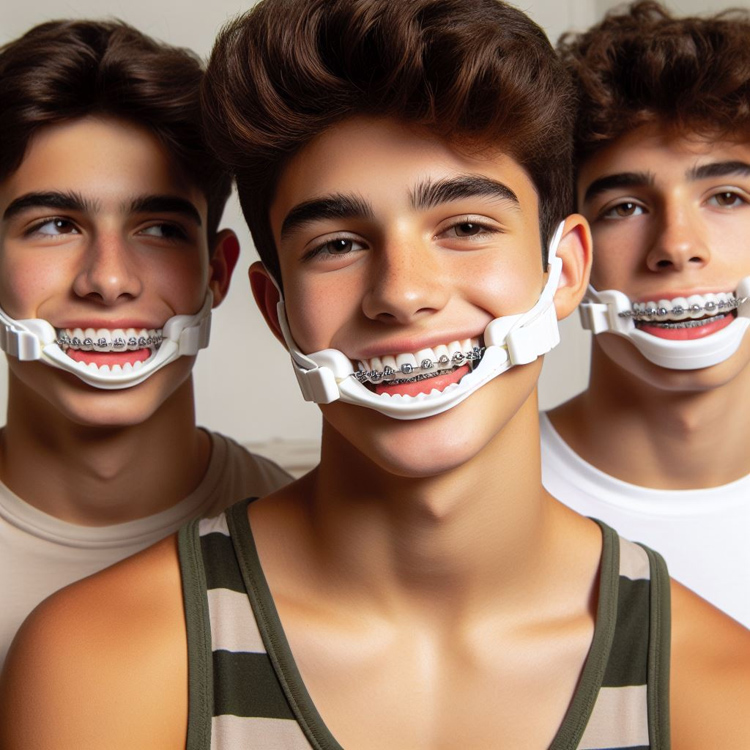
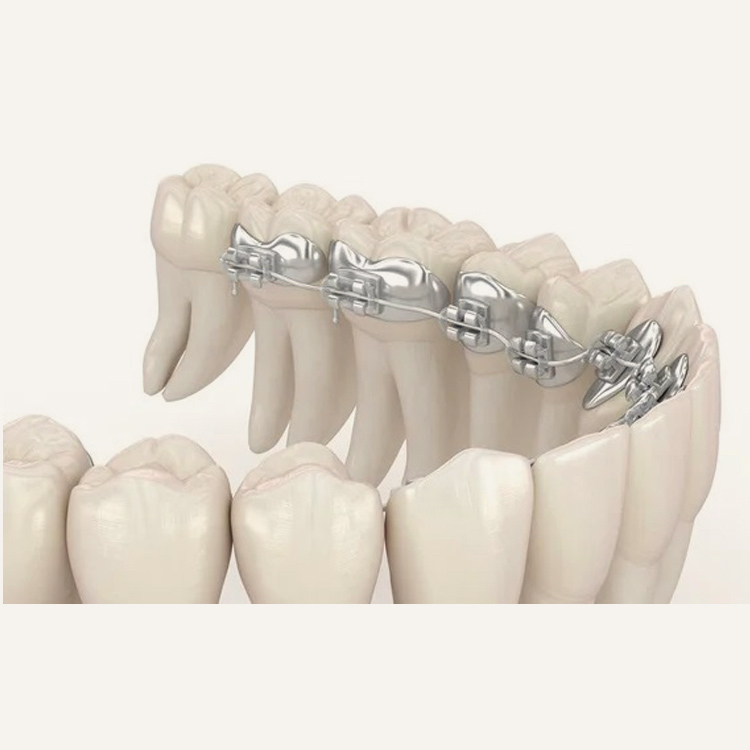
Traditional Fixed Appliances: Traditional metal/ceramic fixed appliances allow orthodontists to apply stronger forces to intrude molars without affecting neighboring teeth.
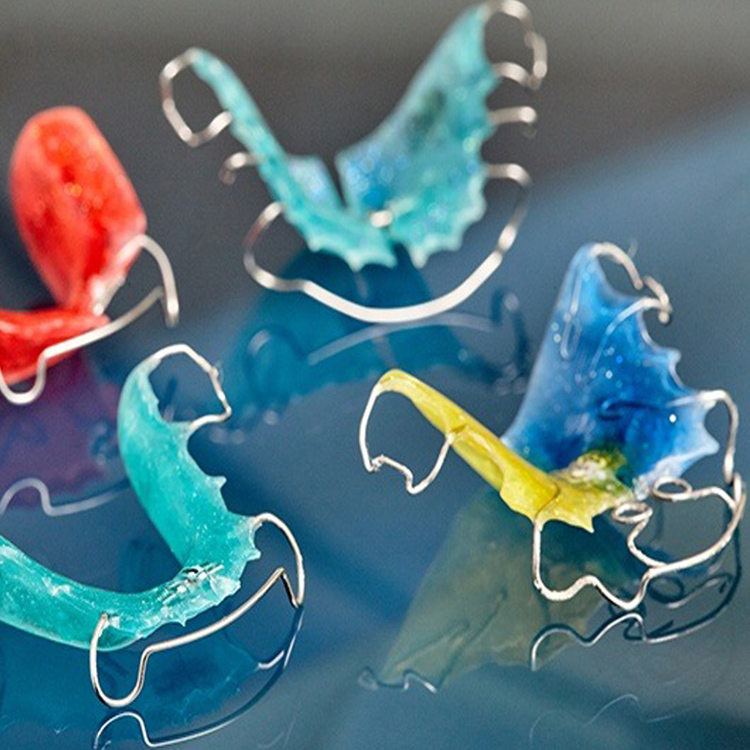
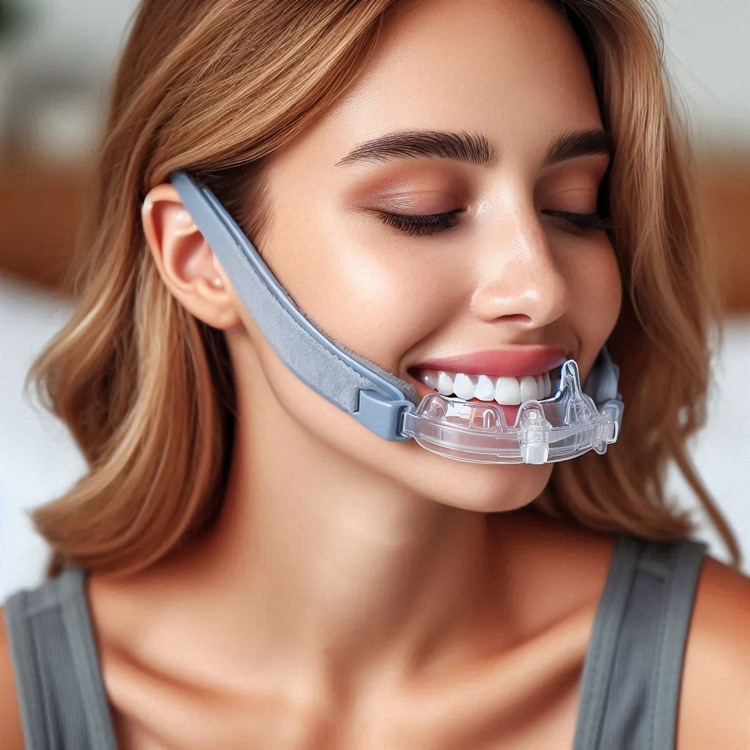
Myofunctional Training: Customized exercise programs are established to train muscle habits of tongue and facial muscles; i.e., correct swallowing habits eliminating tongue thrusting action against teeth.
Orthognathic Surgical Intervention: Severe skeletal malformations necessitating orthognathic (jaw) surgical procedures; e.g., maxillofacial surgeons collaborate with orthodontists to provide correctable skeletal alignment prior to finalization of dental correction.
Costs vary depending upon overall complexity of condition and methodology used for correction. In Kerala costs associated with treating an anterior open bite condition in private practices tend to follow this general price structure:
Metal/Ceramic Brackets (traditional fixed appliance): Ranges approximately between Rs. 35,000/- and Rs. 75,000/- per patient depending upon complexity/duration of treatment required.
Premium Clear Aligners: Premium clear aligner system prices generally fall within range Rs. 70,000/- and Rs. 2,50,000/- for premium digital based custom aligner systems.
Corrective Surgical Jaw Procedures (Orthognathic Surgery): For Patients requiring corrective surgical interventions for severe skeletal issues hospital costs range from approximately Rs. 1,50,000/- to Rs. 350,000/- excluding cost of orthodontic preparation preceding surgical procedure.
A specialist’s input is usually needed to make a smooth transition for the patient from the original open bite into a functional occlusion. The two main types of specialists who could assist include:
1. Orthodontists: They are primarily involved in developing the mechanics to move the teeth either through use of brackets, clear aligners, or screw-based skeletal anchors.
2. Oral and Maxillofacial Surgeons: They should be consulted when there are severe skeletal discrepancies requiring surgery to physically reposition the jawbone.
3. Prosthodontists: If the posterior teeth have lost excessive amounts of enamel, they should be contacted to replace the severely worn-down molar surfaces with crowns or onlays.
Open bites are never emergencies that would need to be resolved in less than 2 hours. As a matter of fact, they are considered to be progressively deteriorating conditions which benefit greatly from being addressed at the earliest time possible.
For example, if a child has an open bite resulting from a habit such as thumb sucking or using a pacifier during their early years of development, there is a chance that they will eventually stop this habit prior to eruption of their permanent front teeth. Therefore, their natural tooth relationship may develop normally and their open bite will resolve itself. However, once the permanent teeth and adult jaws are formed, an open bite will no longer resolve naturally and will require the assistance of an orthodontist to correct.
As mentioned previously, even though most patients do not consider an open bite to be a priority concern, it does indeed affect the way we chew food. As a result, correcting an open bite is beneficial for many reasons including improving our ability to properly chew foods and preventing unnecessary wear on the enamel on our teeth.
Does an open bite close naturally as I get older?
If an open bite results solely from an early childhood habit such as thumb sucking or using a pacifier and is only mild, then it may close naturally after stopping the habit completely prior to the eruption of the permanent front teeth. Afterward, however, once the permanent teeth and adult jaws are developed, an open bite will not close naturally and will therefore require professional orthodontic treatment.
Are clear aligner therapies useful in fixing a skeletal open bite?
While clear aligner therapies are very successful in fixing both mild and moderate dentally-related open bites since they offer precise control over the position of the back teeth; clear aligner therapies alone are unable to fix the underlying skeletal bone discrepancy present in severe skeletal open bites. Those types of skeletal open bites generally require some form of orthodontic treatment combined with a surgical jaw correction.
Will correcting my open bite alter the physical appearance of my face?
Yes, correcting an open bite does enhance one's facial profile. When the back teeth are moved downward or the jaw is surgically corrected and moves upward and forward, this movement reduces elongation of the lower third of the face and creates better closure of the lips and mouth. Ultimately, it creates a more symmetrical facial profile.
Successfully treating an open bite requires looking beyond just the front teeth and addressing the overall balance of the entire jaw mechanism. When front teeth do not meet, the back molars bear an unsafe amount of pressure, often leading to early enamel wear and jaw joint strain. Modern digital orthodontics allows us to map out these forces with great precision. Correcting an open bite is about much more than a beautiful smile—it restores proper chewing function, speech clarity, and protects the long-term health of your teeth and jaw joints.




.jpg)
.jpg)
.jpg)
.jpg)
.jpg)
.jpg)
.jpg)
.jpg)
.jpg)
.jpg)
.jpg)
.jpg)