

Dental hypersensitivity to heat as well as other forms of persistent pain are caused by local inflammatory responses in the deeper structures of teeth, including dental pulp, which can be triggered by heat from both liquid and solid sources (including foods) as well as from the inhalation of moist air (i.e., steam). This type of hypersensitivity is anatomical in nature; it is caused by the penetration into the tooth through the outer layers of enamel and dentin to reach the innermost layer of the tooth containing the nerves and blood vessels of the pulp. While brief periods of cold sensitivity may be resolved simply with desensitizing agents or topical anesthetics, persistent throbbing or sharp pains that occur for longer durations after exposure to heat indicate either irreversible pulpitis or localized areas of necrotic tissue in the pulp, necessitating urgent dental attention.
Clinical Definition: Dental hypersensitivity resulting from prolonged pain or sensitivity initiated specifically by the ingestion of hot foods, drinks, etc. as well as thermal changes.
Primary Cause: Inflammation of the pulp contained in the interior portion of the tooth (root canal system), compression of nerves within the root canal system.
Urgency Factors / Indications: Pain persists for more than 10-15 seconds post-heat removal, spontaneous throbbing, or facial swelling.
Treatment Options: Endodontic treatment/root canal therapy, replacement of existing crowns, deep fillings, specific treatments designed to address problems associated with pulpitis or necrosis of the pulp.
Deep Prolonged Ache Post-Thermal Ingestion (of Tea, Coffee & Rasam): Persistent dull achy sensation post-ingestion; typically lasting > 1 min; associated with thermal ingestion.
Throbbing Spontaneously: An unprovoked onset of discomfort; which may worsen upon reclining due to increased cephalic blood flow/pressure.
Tender to Localized Biting Pressure: The localized sensitivity elicited by biting into an area(s) is indicative of inflammation of the periodontal ligament surrounding the root or microfractures in the tooth structure.
Radiated / Referred Pain: An aching sensation referred to the jaw or temple; or extending to the surrounding teeth; complicates localization of the causative tooth.
Swollen Face / Jaw Line / Cheek: Puffiness visible along the face; indicating either a progressing bacterial infection or periapical abscess.
Discomfort at Night (Sleep Disturbance): Sleep-disruptive pain; requiring analgesics for relief during the night.
Fever / Malaise / Systemic Signs of Infection: Elevated body temperature, fatigue, or swollen submandibular lymph nodes indicative of a spreading infection.
Pus Ooze From Gum Line: Visible fluid/ooze from gingival sulcus adjacent to tooth causing chronic discomfort.
Irreversible Pulpitis: Pain due to irreversible pulpitis is primarily a result of advanced bacterial decay that has progressed through the entire enamel matrix to penetrate the vascular pulp.
Cracked Tooth Syndrome: The pain associated with cracked-tooth syndrome is an effect of structural microfractures in your teeth that are a direct result of frequent bruxism (grinding your teeth) or from biting down on a hard object or substance.
Failed Restorations: Failed restorations lead to leaking old fillings or poorly fitting crowns which allows for the passage of heat and bacteria toward the nerve of the tooth.
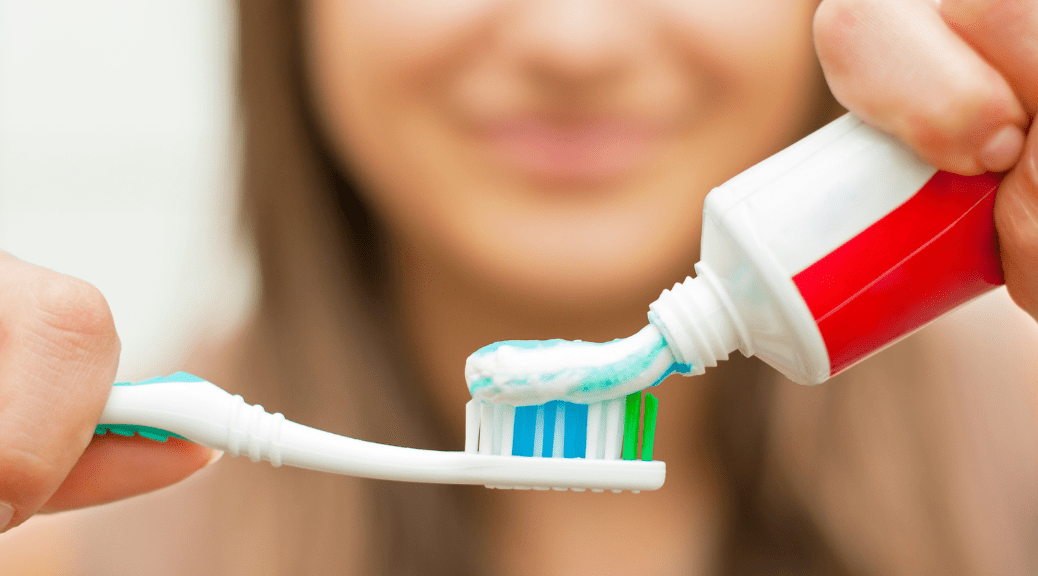
Receding Gums: Receding gums expose vulnerable root surfaces to thermal shifts as they have lost attachment due to periodontal disease or excessive toothbrush abrasion
Dental Dietary Habits: Consuming many high-acid foods and drinking piping hot traditional beverages will cause erosion of mineral content in your teeth over time.
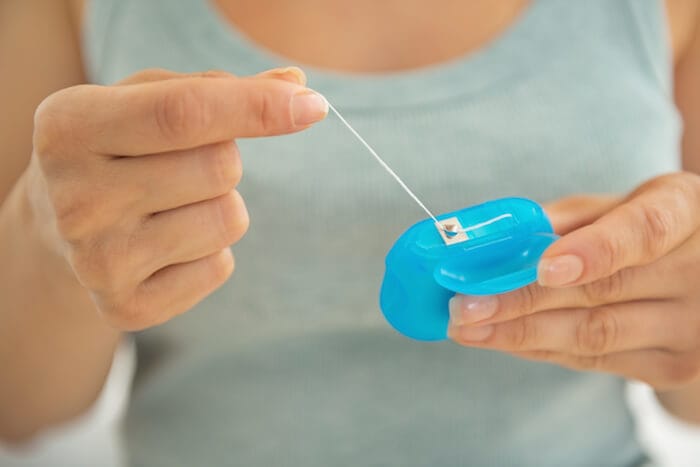
Failure to Maintain Consistent Oral Hygiene: Irregularly brushing and flossing leads to plaque build up and decay between adjacent teeth.
Chronic Clenching or Grinding: Chronic clenching or grinding of your teeth (parafunctional habit) may be related to stress at home or work and/or bruxism that occurs while you are sleeping.
Enamel Thinning: Enamel naturally thins as we age and this can make our teeth more susceptible to thermal irritation.
The first thing to do is perform a self-check:
Visual Mirror Inspection: Evaluate your tooth by visually looking at it in good lighting for cracks, chips, or dark spots where you may have developed a cavity.
Thermal Testing: Swallow a sip of lukewarm water. If that does not trigger immediate sharp pains swallow another sip of warm water. Compare how long the pain takes to develop.
Tapping Gently to Assess: Lightly touch or apply mild pressure with your fingertip on each tooth individually to see if there are some teeth that can be pressed without feeling pain.
Inspect Your Gum: Examine your gums around the base of the tooth that hurts. Do they look red? Are they puffy? Do they hurt when you touch them?
Examination Using Visual and Tactile Methods: A dentist will use a small instrument called an explorer, and a mirror to examine the structure of your tooth, and to determine if you have excessive buildup of plaque.
Imaging With Digital X-Rays: An X-ray machine produces high-resolution images so that the dentist can evaluate whether you have lost any bone, if you have large areas of decay, or if you have an infection near the roots of one of your teeth.
Thermal Pulp Testing: Test pulpal nerve response and vitality by using controlled temperatures such as cold or hot stimulus to see if the nerves react normally to those temperatures and how long they take to react.
Electrical Pulp Testing (EPT): EPT tests the viability of nerve fibers inside your tooth by applying low-level electrical currents to the tooth.
Mild: Temporary tooth sensitivity when consuming a warm beverage. The temporary tooth sensitivity will resolve itself in less than one second. Desensitizing toothpaste may be used for prevention.
Moderate: A distinct pain occurs immediately upon contact with hot foods/beverages. This pain will last anywhere from ten to thirty seconds. A protective resin filling or crown adjustment is required.
Severe: Spontaneous tooth pain that lingers for several minutes. Additionally, this type of tooth pain is often accompanied by nocturnal toothaches. In severe cases of tooth pain, an immediate emergency root canal is required.
Advanced Nanohybrid Resin Fillings: Direct composite restorative material to cover small cavities and prevent further irritation to the pulp.
Emergency Root Canal Treatment: Remove infected pulp tissue, clean and disinfect the root canals, then fill the cleaned-out area with a biocompatible material called gutta-percha.
Zirconia / Ceramic Crown: Full coverage dental crown made to support a structurally compromised / fractured tooth.
Periodontal Therapy: Deep scaling and root planing to treat gum recession and protect exposed root surfaces.
Consultation With X-Ray: Costs vary from clinic to clinic but are approximately ₹300 - ₹800 at a standard private clinic in an urban area of Kerala.
Composite Restoration: Dependent on the depth of the cavity, cost will be somewhere in the range of ₹1500 - ₹4000.
Root Canal Treatment (Single Root): The cost varies depending on the complexity of the tooth's endodontics; prices generally fall into the range of ₹3500 - ₹7500.
Crown Placement Using Zirconia: Each crown costs anywhere in the range of ₹5000 - ₹15,000. Prices depend upon the quality of the lab work and the warranty that is offered.
General Dentist: Best suited for your first consultation where you will have a diagnosis made, simple surface fillings done, minor occlusal adjustment made, and/or basic pain management provided.
Endodontist: A root canal specialist who specializes in working with multi-rooted teeth, or teeth which may contain calcifications within their roots, or teeth where a prior treatment has failed.
Prosthodontist: An expert in doing full mouth restorations, placing crowns accurately, restoring bites structurally.
Periodontist: Should be consulted when there is severe gum recession or bone loss causing thermal sensitivity.
Immediate (2 – 4 hours): If there is facial swelling, high fever, or throbbing pain that makes it hard to function normally.
Prompt (24 – 48 hours): If you have pain from hot foods/drinks but it is still controlled by over-the-counter medications.
Elective (1 – 2 weeks): For occasional mild sensitivity which doesn't affect your ability to eat or sleep normally.
I get sharp pains from eating hot foods/drinks but feel fine when I drink cold beverages. What's happening?
Heat expands trapped fluids and gas within the pulp chamber, causing increased pressure directly onto irritated pulpal nerves inside the tooth.
Will my teeth be able to "heal" themselves of their sensitivity to heat after they've been exposed to too much heat, without seeing a dentist?
No. Internal pulpal inflammation/deep bacterial infection is an irreversible condition requiring professional clinical care to correct.
Does having a root canal cause me pain using today's methods?
With proper use of local anesthesia and rotary endodontic instruments, the process should be very similar in terms of comfort to getting a routine filling.
Ignoring signs of pain when exposed to heat (a classic physiologic warning sign) indicates progression of bacterial migration within the root canal system, which will increase the complexity of treatment from a simple filling to an endodontic case. Therefore, it is important to provide immediate diagnostic care at local offices for protection of tooth structure as well as future oral health.



.jpg)
.jpg)
.jpg)
.jpg)
.jpg)
.jpg)
.jpg)
.jpg)
.jpg)
.jpg)
.jpg)
.jpg)
This site is part of the DEC Dental Network — a Dental Equity & Connectivity ecosystem of clinical, educational, and patient-support brands operated by Team Dental Pvt. Ltd. Our network works as one — guiding you from your first search to your final smile.
© 2026 Team Dental Pvt. Ltd. · Founded 2013, Angamaly, Kochi, Kerala
About DEC Dental