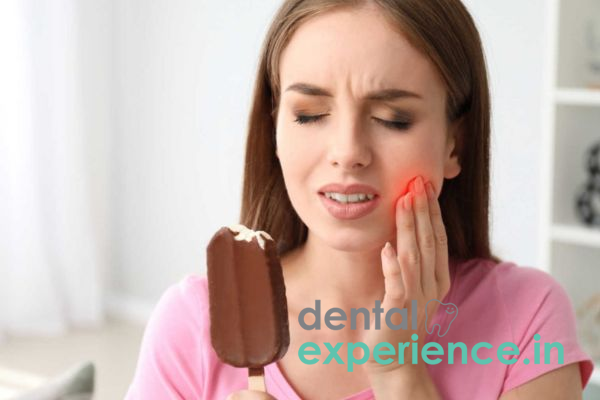

Sharp pain to cold is a sudden, sharp, intense, local, and acute pain in your teeth due to the quick flow of fluids through tiny tubes (dentinal tubules) that are on the outside of your tooth. Once you have lost some protection for the outer parts of your tooth—either the top layer (enamel) or the bottom layer (cementum)—then every time something happens on the outside of your tooth (such as cold air), it can cause the nerves inside the pulp to feel pain. This is one type of problem that you may see as part of restorative dentistry. Some examples include temporary sensitivity to dentin and acute focal inflammation (pulpitis) of the pulp.
Clinical Definition: A sudden, short-lived (less than 30 seconds) neural reaction in response to stimulation from fluid moving down exposed dentinal tubules in response to cold stimuli.
Urgency Indicators: Persistent throbbing pain; prolonged duration (greater than 15 seconds) of pain post-stimulus removal; nocturnal pain; and/or localized facial edema.
Primary Treatment Options: Office application of desensitizing varnish; tooth-colored resin-based composites; endodontic therapy / root canal therapy; and/or connective tissue grafts.
Cold Sensitivity: Sharp, sudden shock (piercing) from consuming cold food and/or drinks, such as cold water, ice cream, etc.
Visible Changes in Your Teeth: Exposed roots along gum line; minor chipping of enamel; hairline fracture lines on chewing surfaces.
Dental Pain / Discomfort: Brief, sharp pain upon beginning your daily tooth-brushing routine, or when you breathe cold ambient air
Your cold sensitivity has lasted longer than 10–15 seconds once the cold stimulus is removed.
You are experiencing spontaneous and/or throbbing aching sensation that occurs spontaneously, especially at night, with no temperature stimuli.
There is swelling in your adjacent gum tissue, visible pus, and/or severe pain radiates into your face/jaw/ear.
You experience sharp pain while mastication / biting / chewing on solid foods.
Degradation of Enamel: Horizontal brushing that is extremely aggressive – wearing down enamel at the tooth neck (cervical abrasion).
Erosive Damage Due to Acid: Frequent consumption of local acidic items such as tamarind, fermented toddy, or citrus juices.
Structural Damage to Teeth: Micro-fractures caused from chewing on hard materials, including dried coconut pieces, betel nut, or seafood shells.
Recession of Gum Tissue & Decay: Exposed dentin sensitivity due to receding gum tissues; marginal leakage around old silver amalgam fillings.
Dietary Choices: Daily consumptions of curries made from acidic fruits, carbonated beverages, sour tamarind preparations.
Physical Strain: Unknowingly grinding teeth during sleep (bruxism); use of medium-to-hard bristle toothbrushes.
Oral / Periodontal Health: Untreated inflammation of gum tissue leading to bone loss & exposure of root surface area.
Demographic / Age Characteristics: Commonly seen in adults aged 30–60 years old: thinness of enamel due to age, coupled with gingival recession.
Mirror Visual Inspection: Go into an area that is well lit and visually check the sensitive tooth for signs of visual dark lines, exposed yellow roots, or chipping at the edge of the tooth.
Thermal Isolation: Soak a cotton swab in cold water and touch each tooth lightly with it to locate where your sensitivity lies.
Bite Test: Gently tap the tooth with your finger to see if applying pressure will recreate the sensation you are feeling (do not use metal objects).
Gum Check: Use a finger that has been cleaned to run along the gum line of the tooth you are checking to feel for tenderness, soft swelling, or bleeding.
Probing: Using a dental explorer to visually inspect for any possible hidden cavities, cracks, open dentin tubules, etc.
Vitality Testing: Application of controlled amounts of cold stimulation (using refrigerant sprays or ice sticks) to test the response of the nerves.
Radiographs: Digital intraoral radiograph (IOPA) to assess the internal health of the pulp within the tooth as well as interdental decay and bone levels.
Transillumination & Occlusal Tests: Using special optical fiber light sources to illuminate deep microfractures in the enamel.
|
Severity Level |
Clinical Characteristics |
Typical Duration |
Action Required |
|
Mild |
Short flash of pain during cold drinks; no lingering ache |
1–3 seconds |
Desensitizing toothpaste & soft toothbrush |
|
Moderate |
Sharper pain to cold liquids; minor discomfort when chewing |
4–10 seconds |
In-office desensitizing varnish or composite filling |
|
Severe |
Intense, lingering pain; spontaneous night aching; thermal lingering |
>15 seconds |
Endodontic evaluation (Root Canal Therapy) |
Desensitization Protocol Treatments: A professional application of either a fluoride varnish or an arginine-calcium silicate agent to occlude dentinal tubules.
Nano-Hybrid Composites: Applied as tooth-colored restorative materials to cover the exposed surface area of roots or cleared decay areas.
Modern Rotary Endodontic Therapy (Root Canal Treatment): To decontaminate and seal the infected chamber of the pulp when there is irreversible nerve damage.
Periodontal Gingival Grafting: Can be performed to provide permanent recovery of receding gum tissue to protect the underlying dentin.
Application / Fluoride Varnish Desensitizing Session: ₹500 – ₹1,500, depending on clinic fees, in Kochi, Thiruvananthapuram, or Kozhikode.
Dental Composite Restoration by Tooth: ₹1,200 – ₹3,000, based upon the amount of tooth structure that has been removed and where it was located.
Root Canal Treatment (RCT) with Ceramic / Zirconia Crowns: ₹4,500 – ₹12,000 (for RCT), plus ₹4,000 – ₹15,000 for ceramic/zirconia crowns.
Subsidy from Financial Assistance Plans: Partial funding for some of the costs through various state government health schemes or Central Government Health Scheme (CGHS) at their participating hospitals, in addition to many private dental insurance companies offering out-patient care coverage for desensitization procedure(s).
Dentist: Provides initial diagnosis, routine composite tooth fillings, cleaning of teeth, and applications to help reduce sensitivity.
Endodontist: When the patient has a chronic or acute case of pain that requires a precise root canal treatment or other type of treatment within the tooth's internal pulp area.
Periodontist: Periodontist is the gum specialist if there is significant gum recession or bone loss in addition to the cold sensitivity.
Prosthodontist: The prosthodontist provides structural rehabilitation, using complete coverage crowns, porcelain veneer restorations, or adjusting occlusal relationships as part of their expertise.
Emergency (Within 2–4 Hours): Facial swelling; pain so severe it causes difficulty sleeping; pain and/or fever with symptoms associated with an illness systemically.
Same-Day / Next-Day Visit: Pain lasts longer than 15 seconds when exposed to cold or prevents you from getting restful sleep at night.
Scheduled Elective Visit (1–2 Weeks): Cold sensitivity that is mild and fleeting (lasts one to two seconds) and can be managed with OTC desensitizing paste.
What causes an instant (sharp) burning sensation when I take a sip of ice-cold water using my back tooth?
The enamel that protects your teeth has worn down (is thinner than normal), or the gumline has receded, and now the dentin is exposed. The rapid flow of fluids into these tiny tubes stimulates the nerve endings inside the tooth, causing you pain.
What are the average costs for treating sensitive teeth at dental clinics in Kerala?
A basic desensitizing treatment along with a composite filling will cost anywhere from ₹500 to ₹3,000. If there is permanent inflammation of the nerve and therefore a need to do a root canal along with a protective crown, the total cost can vary depending upon the type of material used and the level of expertise of the dentist; typically, it would be somewhere in the area of ₹8,500 to ₹27,000.
Can home remedies permanently cure sharp pain from cold drinks?
Home remedies like clove oil or desensitizing toothpaste provide temporary relief by numbing nerve endings or blocking tubule openings. However, they cannot repair physical structural damage like deep decay or tooth fractures, which require professional dental care.
A sharp or stabbing pain that is caused from exposure to cold temperatures is one of the first indicators that you have lost some portion of your teeth’s enamel; this will trigger a series of events that can cause a root canal procedure in place of what could have been a very inexpensive and easily completed composite restoration. When the initial signs of tooth sensitivity begin to occur, patients need to be evaluated for possible surface erosion; failure to do so may allow the erosion process to continue until it reaches the pulp of the tooth.



.jpg)
.jpg)
.jpg)
.jpg)
.jpg)
.jpg)
.jpg)
.jpg)
.jpg)
.jpg)
.jpg)
.jpg)
This site is part of the DEC Dental Network — a Dental Equity & Connectivity ecosystem of clinical, educational, and patient-support brands operated by Team Dental Pvt. Ltd. Our network works as one — guiding you from your first search to your final smile.
© 2026 Team Dental Pvt. Ltd. · Founded 2013, Angamaly, Kochi, Kerala
About DEC Dental