 Treatment
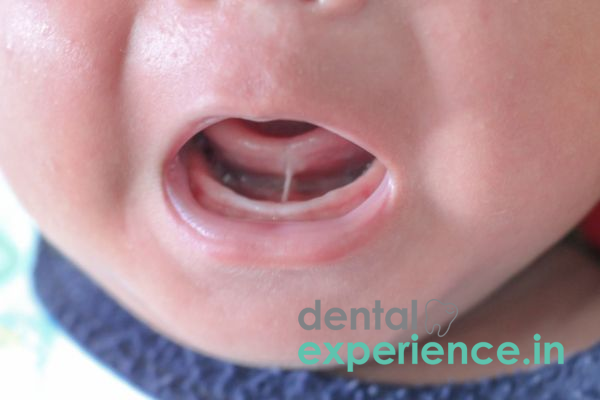
Some care providers will take a wait-and-see approach for very mild cases, while others will recommend a frenotomy (also called frenectomy), which is the procedure used to release the lingual frenulum. This procedure is often a choice for parents who are experiencing issues related to breastfeeding their infant.
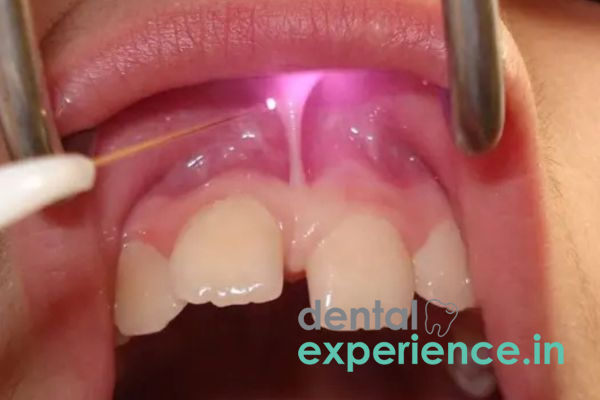
A frenectomy is a simple surgical procedure that entails the trimming or alteration of the frenum, a small fold of mucous membrane that attaches the lips, tongue, or cheeks to the gingiva (gum tissue). Commonly done on children and adults, the concerns that this surgery addresses are those related to the mouth that impact speech, eating, and dental health. Frenectomy is an important procedure in contemporary dentistry as it relieves tension on the tissue and improves oral function, orthodontic treatment, and overall comfort.
A frenectomy is beneficial for a number of oral health problems, including:
A frenectomy is suitable for:
There are three categories of frenectomy procedures, based on the location of the frenum:
A frenectomy is quick and easy, and will usually consist of the following:
Some of the benefits of performing a frenectomy are:
Frenectomy has the following advantages over other treatments:
Once the frenum is removed during a frenectomy, it does not grow back; therefore, it is a permanent solution. This treatment is a very effective way to improve mobility, speech, and gum health, and the benefits last a lifetime.
The actual procedure is only 15–30 minutes long. Recovery time is variable but generally ranges from a couple of days to 2 weeks.
Frenectomy cost in India depends on the below factors:
On average, the fees range from ₹3,000 to ₹15,000, with laser frenectomies being more expensive but offering precision and faster healing.
A frenectomy is a safe procedure, but there are some potential risks:
Although a frenectomy is immensely beneficial, there are some disadvantages, such as:
Those not yet ready for surgery may consider the following:
Follow these aftercare tips for a smooth recovery:




.jpg)
.jpg)
.jpg)
.jpg)
.jpg)
.jpg)
.jpg)
.jpg)
.jpg)
.jpg)
.jpg)
.jpg)