 Treatment
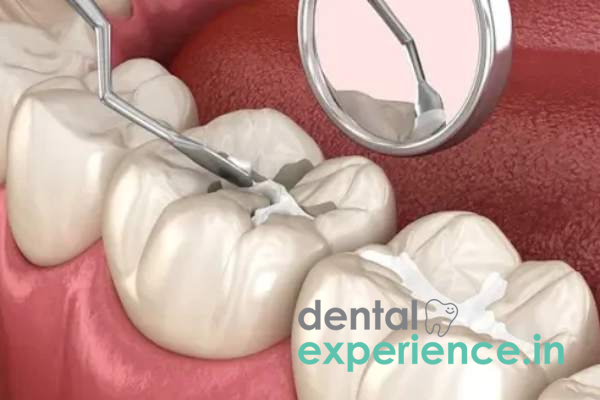
Dental sealants are a thin coating that is painted on teeth to protect them from cavities. They can last up to 9 years. If the application technique is perfect, dental sealants can last a lifetime. More often than not, though, they do need to be replaced. But if you already have a restoration or an implant, then that tooth will not benefit from a sealant.
Pit and fissure sealants are thin, protective coatings that cover the chewing surfaces of back teeth — usually molars and premolars — to help prevent decay. Dental sealants are a protective coating that forms for the enamel and protects it from areas of the back tooth that are susceptible to plaque, bacteria, and food particles getting in the deep grooves (pits) and fissures of the tooth. In contemporary dentistry, they are an indispensable preventive measure, assisting in lowering the necessity for more invasive treatments down the line.
Pit and fissure sealants are primarily used for the prevention of tooth decay. The grooves and crevices inherent in molar anatomy are prime sites for debris and bacteria traps, thus making these areas highly vulnerable to cavities. These grooves get filled with a sturdy substance preventing the chances of caries and saving the original tooth structure. Beyond that, it promotes the long-term health of the teeth and mouth by significantly minimizing the potential for cavities and the need for restorative work-and therefore reduces total dental treatment costs.
Sealants are recommended for children and adolescents because their newly erupted molars are particularly susceptible to decay. Even adults — especially those with deep pits and fissures or a history of dental caries — may benefit from this preventive approach. Pit and fissure sealants are of great use for high caries risk patients, patients with poor access to dental care, or patients undergoing orthodontic treatment.
In dentistry, there are mainly two types of sealant material:
The sealing process is a simple process that usually includes these steps:
Pit and fissure sealants have many benefits, including:
Compared to other preventive treatments such as fluoride varnishes, sealants provide a strong physical barrier to clean hard-to-reach areas on the chewing surfaces of teeth. The closer use approach inhibits decay more efficiently in the pits and fissures that fluoride alone may not penetrate. Moreover, sealants are associated with limited or no discomfort to the patient, along with reduced chair time, making them an attractive alternative for both patients and practitioners.
If well taken care of, pit and fissure sealants can stay up to 3 to 10 years. The longevity is influenced by several aspects including the material used, the patient oral hygiene habits and dental visit.
Typically, it takes about 15 to 30 minutes per tooth, so the whole procedure for a child should be completed rather quickly. This ensures that it is a favorite choice for patients on the go, as the treatment is fast, and there is no need for prolonged recovery soon after. In most cases, patients are able to return to their normal activities immediately after the procedure.
Considering the role of pit and fissure sealants as effective preventive measures, the price of the pits and fissures sealants in India usually stays low. Prices of dental sealants can vary depending on factors like the location of the clinic, the type of sealant material used, and the complexity of the case. The average cost can be anywhere from INR 500 to INR 2,000 for each tooth. Patients are encouraged to speak with their dental care provider for a more precise estimate depending on their dental needs.
Although pit and fissure sealants are relatively safe, potential risks and complications may include:
While there are several advantages to using them, there are also a few drawbacks to keep in mind:
Alternative Preventative Measures and Treatments to Sealants:
Correct aftercare helps enhance the durability of pit and fissure sealants. Patients are advised to follow these guidelines:








.jpg)
.jpg)
.jpg)
.jpg)

.jpg)
.jpg)
.jpg)
.jpg)
.jpg)
.jpg)
.jpg)
.jpg)