 Treatment
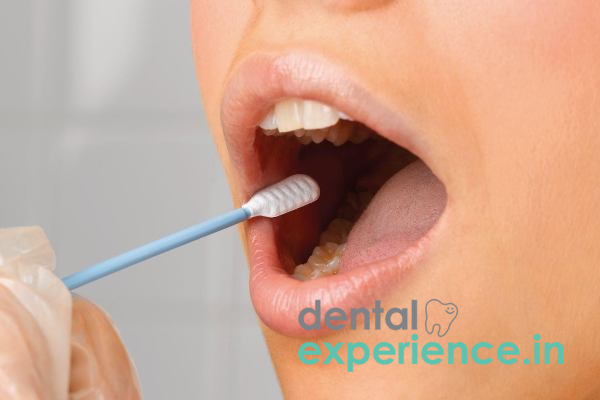
Salivary testing is a non-invasive diagnostic tool that evaluates saliva for bacteria, pH levels, and biomarkers linked to oral diseases like cavities, gum disease, and bad breath. It helps customize treatment plans and detect underlying health conditions early. Quick, painless, and accurate—salivary testing supports proactive dental care.
Salivary testing is a simple, non-invasive diagnostic tool that analyses saliva for signs of oral diseases, systemic diseases, and biomarkers. It is a key part of preventive dentistry, detecting risks like cavities, gum disease, and even diseases like diabetes or oral cancer. This advanced instrument enables dentists to create incredibly effective individualized treatment plan, which is a pillar of modern dental care.
Saliva testing is primarily a preventive measure, used largely for early detection. It aids recognition of dangerous microorganisms, viruses and contributors to oral disease biomarkers It can, for example, detect high levels of Streptococcus mutans, a bacteria associated with tooth decay, or analyze cortisol levels to indicate stress-related oral health problems. As a result, patients can steer clear of multi-step treatment and ensure their teeth stay healthy!
Salivary testing works best for the following:
It is quick and painless:
Salivary testing is non-invasive, rapid, and highly accurate when compared to traditional diagnostic methodologies. It gives a more comprehensive picture of a patient’s health, beyond superficial symptoms and tells you a lot more about what makes the cavities happen,including the very details of a bacterial imbalance or acidic saliva.
Results from salivary testing are generally valid for 6-12 months, depending on patient oral hygiene and health conditions. It is advised to be checked regularly to assess any changes and maintain your protection.
Sample collection to results usually takes about 1-2 weeks. The actual collection only takes three to five minutes during a dental visit.
Salivary testing cost in India: ₹2,000 to ₹10,000 depending on type of test, laboratory and dental clinic. It might sound expensive, but with preventive care, it is a better option in the long run.
Salivary testing is incredibly safe, with no meaningful risks. That said, inaccurate results can be due to improper sample collection or contamination. A good dental clinic along with a trusted lab will deliver the reliability you need.
The primary caveat is that salivary testing cannot fully supplant traditional diagnostic methods. It's meant to be an add-on tool that is most effective when paired with clinical exams and imaging. The cost can also be a barrier for some patients.
Salivary testing alternatives include:
Though these techniques are valuable, they cannot match the preventative scope offered by salivary testing.
Post-testing care involves:






.jpg)
.jpg)
.jpg)
.jpg)
.jpg)
.jpg)
.jpg)
.jpg)
.jpg)
.jpg)
.jpg)
.jpg)