Tooth abrasion is a type of physical removal of tooth structure resulting from a repeated, forceful rubbing action from an external object. Normal biological aging does not contribute to this process; instead, it destroys both the physical structure and dimension of the dentition. Practitioners commonly encounter patients who have unknowingly compromised their oral health through overly aggressive hygiene practices or excessively abrasive products used to create a "whiter" appearance in today’s modern clinical practice in Kerala.
Definition: Gradually losing enamel and dentin due to friction from outside forces.
Causes: Hard toothbrushes, brushing horizontally with too much pressure, using abrasive tooth whiteners (powder) or traditional powders.
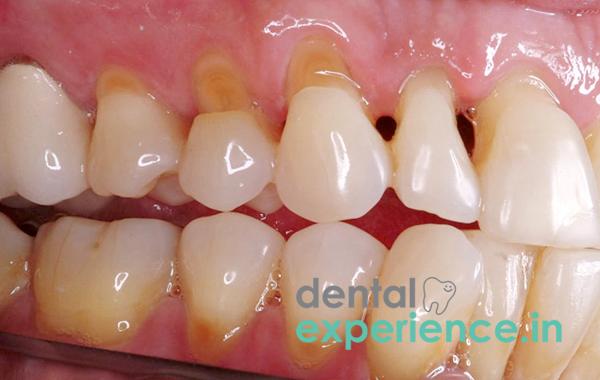
Symptoms: Notches at gum line, persistent tooth sensitivity, discoloration (yellow).
Kerala context: High prevalence rate due to increasing popularity of uncontrolled powdered charcoal products, intense brush habit.
Cures: Composite bonding restoration, switching to super soft toothbrushes, applying desensitizers.
Clinical evidence of tooth abrasion is easily identified upon a standard examination by a dental practitioner. The most common complaint expressed by the patient is localized pain. Upon closer inspection, however, a consistent pattern of destruction of hard tissues is evident:
V-shaped notches at the juncture of the tooth and gum: these distinctively defined horizontal grooves appear immediately adjacent to the gingiva.
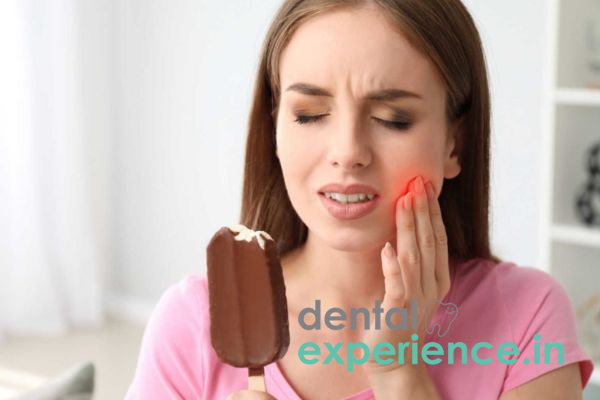
Persistent tooth sensitivity: as the outer protective covering wears away, microscopic tubes called dentinal tubules are exposed to the oral cavity and induce a sharp stinging sensation when encountering hot, cold, acidic or sweet foods.
Yellow staining: as the transparent enamel wears away, the darker colored dentin becomes visible.
Sharp margins: the edges of the worn teeth may also feel rough to the tongue, sometimes creating minor irritation of the soft cheek tissue.
Some degree of surface wear will inevitably occur naturally over time. However, certain clinical indicators necessitate immediate treatment by a licensed dentist to avoid permanent damage to the nerves:
Deepening grooves: if you can feel ridges or steps in the bone structure adjacent to the gum line as you slide a fingernail up and down the base of each tooth.
Prolonged pain: if acute sensitivity develops into chronic dull ache suggesting that mechanical friction has penetrated or irritated the soft inner pulp.
Mobility of individual teeth: if a structural crack or separation of teeth occurs due to extreme thinning of the mid-root area from friction.
Extreme alteration of aesthetics: significant physical deformation (shortening/flatness/truncation) of the tooth(s), altering the entire size and contour of your smile.
Determining why your teeth are eroding at the gum line is contingent upon understanding your daily habits. Although enamel is the hardest substance found in the human body, it is extremely fragile to continued frictional contact:
Aggressive oral hygiene habits: using sweeping motions, horizontal strokes and heavy handed pressure instead of circular motion and light touch when cleaning your teeth causes bristle penetration into the softer cervical portion of the tooth.
Poor oral hygiene tools: using a hard toothbrush consistently will continue to wear away enamel crystals.
Abrasive dentifrice products: one major factor contributing to this problem is using products containing unregulated whitening agents. Using local charcoal powders or creating your own formulation to whiten your teeth continues to generate friction and polish away your outer tooth structure.
Object related habits: continuously chewing on metal pins, needles, etc., or pressing them against a specific part of your teeth.
There are numerous risk factors affecting how quickly individuals wear down their teeth and lose surface structure:
Excessive enthusiasm for oral hygiene: people obsessed with having perfectly white teeth develop a tendency to apply excessive amounts of pressure when they are cleaning their teeth.
Using whitening powders: continually using products that result in sensitivity from whitening powders greatly increases the rate at which you lose enamel.
Pre-existing anatomical conditions: existing gum recession exposes root cementum, which is much thinner and less mineralized than crown enamel and breaks down rapidly under friction.
Age/Occupational stress: working professionals are generally prone to rapid aggression and distraction during their morning brush routines.
You can do a quick, initial evaluation of your teeth in front of a lit mirror at home:
Visual Examination: Look at the areas where your teeth meet your gums very closely. Are there dark yellow stains or sharp horizontal depressions?
Touch test: wash your hands thoroughly and lightly run a fingernail vertically from the gum tissue down onto the tooth. If your fingernail catches on a distinct physical ledge or step, it is likely that mechanical abrasion is present.
Sensitivity response to temperature extremes: pay close attention to your reaction to splashes of ambient water temperature in your bath/shower or meals/drinks that are cold/hot/sweet/etc. If you notice a sudden flash of sensitivity radiating throughout the affected area, it is possible that your enamel is worn down.
Diagnosing this condition definitively requires a clinical evaluation by an experienced dentist. The diagnostic process at a modern dental clinic consists of multiple sequential steps:
Visual/Tactile Evaluation: the dentist uses a special dental explorer instrument to determine whether the texture and extent of the v-shaped notches near the gums are consistent with abrasion versus another form of surface wear.
Differential diagnostics: The doctor must distinguish between abrasion (mechanically-induced), attrition (due to tooth-to-tooth grinding), and erosion (chemical dissolution from acid exposure). Only mechanical damage will confirm abrasion.
Radiographic Images/X-Rays: digital images are taken to determine exactly how far towards the center of the tooth the mechanical notch created has progressed.
Practitioners categorize surface loss and physical size reduction into three distinct clinical categories to identify appropriate therapeutic strategies:
Mild (Minor): Loss is limited to outermost layers of enamel; slight transient sensitivity may be felt; little or no visible distortion is apparent even to an inexperienced observer.
Moderate (Intermediate): Mechanical friction has stripped away all of enamel; a wide shelf of yellow dentin is now exposed; chronic sensitivity exists; V-shaped grooves are visually evident.
Severe (Major): Mechanical friction has destroyed large portions of the tooth structure; either threatens or has already exposed the central nerve channel; remains vulnerable to fracture under normal masticatory pressures.
Repairing damaged structures requires two simultaneous approaches: stop creating additional friction and restore lost tooth volume:
Bonding with composite material for abrasion: For mild/moderate configurations, composite resin bonded directly into voids left by enamel loss is typically sufficient as an easy, non-invasive way to seal exposed nerve endings and replace lost tooth mass.
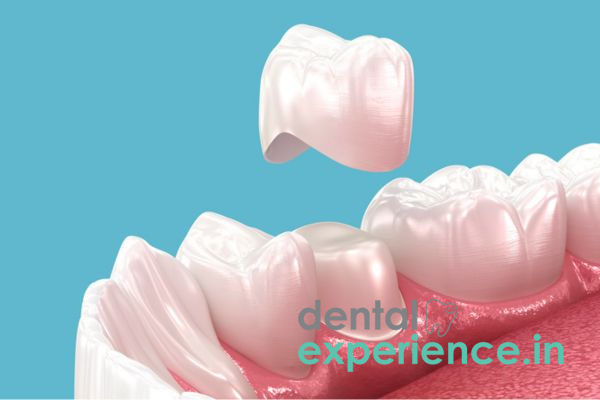
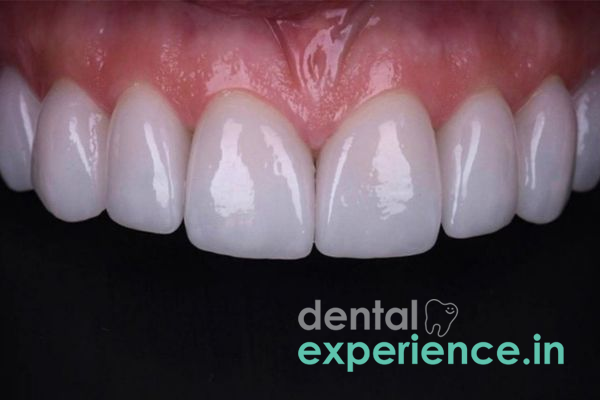
Rebuilding (Advanced): If extensive physical loss has occurred and has altered overall size and shape of smile, laboratory fabricated porcelain veneers/crowns are used to support/reinforce what remains of tooth structure.
Root Canal Therapy: If abrasion has progressed sufficiently into the inner pulp chamber and become irreversibly infected, endodontic therapy must be completed before rebuilding the remainder of tooth structure.
Costs for restorative treatments vary depending upon level of enamel loss and type of restorative materials selected. Below is an estimated price range for dental clinics in Kerala:
|
Type of Dental Procedure |
Approximate Price Range (Indian Rupees) |
Primary Clinical Goal |
|
Composite Bonding / Restoration |
₹1,500 - ₹3,500/tooth |
Limited notching at the gum line. |
|
Glass Ionomer Filling (GIC) |
₹800 - ₹1,800/tooth |
Protective barrier for sub-gingival root wear. |
|
Porcelain/Ceramic Veneer |
₹8,000 - ₹20,000/tooth |
Extreme structural/aesthetic damage. |
|
Full Ceramic Protective Crown |
₹5,000 - ₹15,000/tooth |
Structural compromise of teeth. |
Complex cases require specialists depending upon complexity/severity:
Dentist: competent to diagnose early stages, provide some preventative counseling and place routine composite restorations.
Prosthodontist: specializes in reconstructive dentistry and cosmetic design; handles severe cases where extensive surface loss has completely changed mouth’s function/bite/or overall proportions.
Endodontist: brought in if mechanical damage has fractured internal nerve tissue requiring precision root canal management.
Timing for seeing a dentist depends upon subjective symptoms experienced by you. If you experience sudden sharp pain while eating food/drinking beverages, you should seek medical help within seven days. Immediately call emergency services if you experience a sudden sharp fracture along the thinned neck of a single tooth or persistent throbbing pain.
Will my teeth get damaged if I brush them aggressively?
Yes. If you are using enough pressure when brushing your teeth to remove your enamel then once removed your enamel will never grow back again. A dentist would have to repair this damaged area.
Is charcoal tooth powder safe for my enamel?
Most charcoal powders are extremely abrasive. Continuous use of these products will wear down your outer layer of enamel and cause severe damage to your teeth. Therefore it should not be used on your teeth. This product is another major reason why people experience dental abrasion.
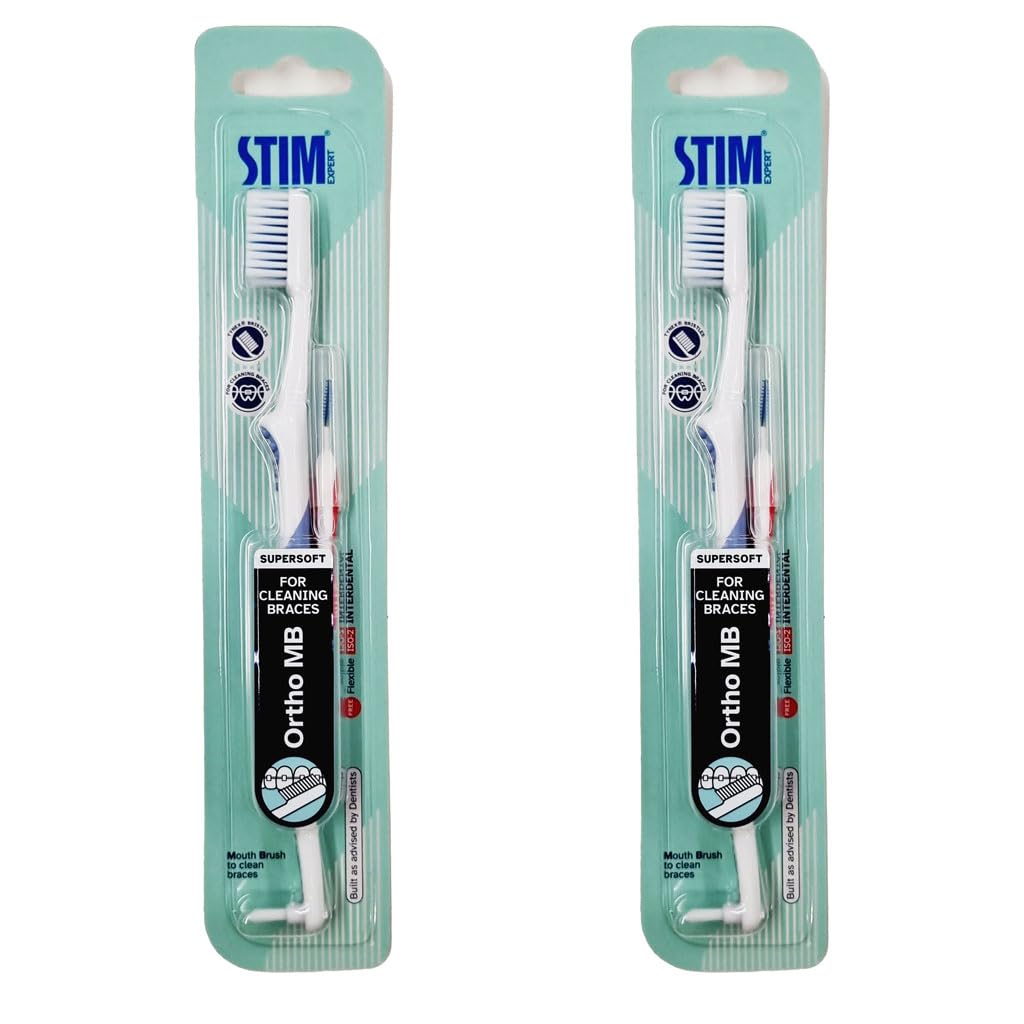
Which soft bristle tooth brush available in India do dentists recommend?
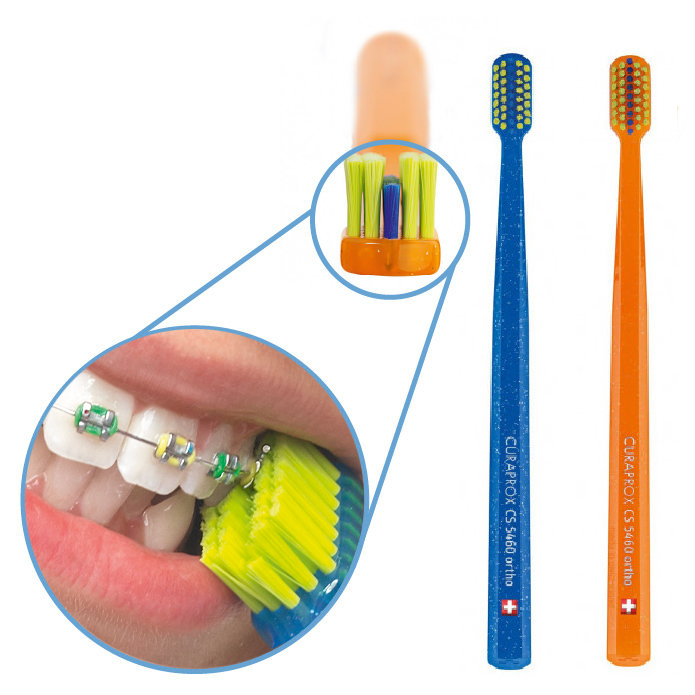
There are several good quality ultra-soft & sensitive multi-tufted tooth brushes with tapered nylon bristles available in India that dentists highly recommend over medium or hard bristle options.
Many patients think they're doing great with their oral hygiene because they're "scrubbing" their teeth but what they don't realize is that they're literally wearing down their own teeth. Dentists tell all their patients that cleaning the teeth doesn't mean scrubbing them with force. Newer composites allow me to beautifully restore the V shaped defects while allowing patients to achieve optimal aesthetics without having to make permanent changes to their smile. Long term success however depends on the behavior of the patient and whether they choose to modify their current habits by avoiding hard bristle brushes and abrasive whitening products.




.jpg)
.jpg)
.jpg)
.jpg)
.jpg)
.jpg)
.jpg)
.jpg)
.jpg)
.jpg)
.jpg)
.jpg)