loader

Glass Ionomer Filling

Home› Treatments› Glass Ionomer Filling
Glass Ionomer Filling Treatment
Watch Video
Authored by Dr Ann Mary Mathew
Reviewed by Dr. Seby Varghese

Fast Facts

99% say it's "Worth It"
900/- to 3000/-
Longevity: 2 years
Duration: 20 minutes

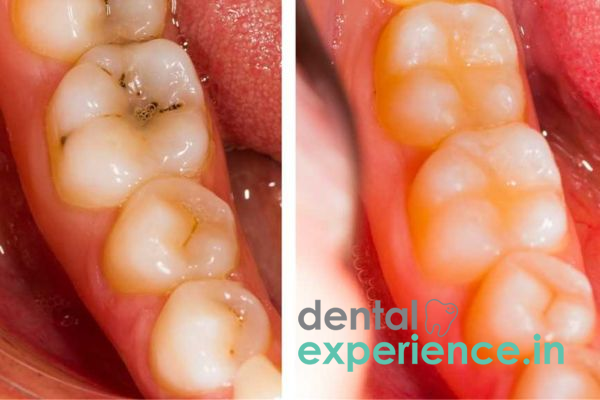
Glass Ionomer Filling is a tooth-colored dental restoration made from a mixture of glass and acrylic materials. It is commonly used to fill cavities, especially in non-load-bearing areas such as around the gumline or in children’s teeth. Glass ionomer releases fluoride over time, helping to protect the tooth from further decay. It bonds directly to the tooth structure, making it a minimally invasive and effective option for patients with small to moderate cavities or for temporary restorations.

Questions & Answers

QWhich is a safer and a better option for the tooth, a glass ionomer filling or a direct composite resin filling? How much does a Composite filling and a Glass ionomer filling cost in Kochi, Kerala?
QIs this filling given for children? How safe is it?
QIs this a short-term or a long-term filling? How strong is it compared with a Direct Composite Resin filling?
Ask Your Question
Share this page
What is Glass Ionomer Fillings?

Glass ionomer filling (GIC) is a commonly used dental restorative material that provides aesthetic and functional properties. This is made of a mixture of glass powder and organic acid, which bonds to the tooth structure at the chemical level. This filling is especially praised for its ability to release fluoride to prevent further decay. The common use of glass ionomer fillings in both child and adult dentistry represents an important element of modern dental therapies.

Why Is It Needed?

Glass ionomer fillings have several important roles in dentistry:

  • Restoration in areas with tooth loss (especially in non-load-bearing areas).
  • Cavity filling in primary (baby) teeth.
  • Restoration of root caries, which is common in older people.
  • Used as a base or liner beneath composite fillings in deep cavities.
  • Restoring small cracks and imperfections in teeth.
  • Releasing fluoride to prevent further decay.

Who should consider Glass Ionomer Filling?

Glass ionomer fillings are suitable for:

  • Kids with early-stage cavities.
  • Older patients with root caries or exposed roots.
  • Patients who require temporary fillings prior to permanent restorations.
  • For patients who are looking for quick and cost effective solutions.
  • High caries-risk individuals who will benefit from fluoride-releasing material.

What are the Typs of Glass Ionomer Filling?

Glass ionomer fillings come in different types, each suitable for different dental requirements:

  • Conventional Glass Ionomer Cement (GIC) – Used predominantly for non-load-bearing cavities.
  • Resin-Modified Glass Ionomer Cement (RMGIC) – More aesthetically pleasing with increased durability.
  • Metal-Reinforced Glass Ionomer Cement — Includes metal particles to increase strength.
  • High Viscosity Glass Ionomer – For bulk restorations and ART (Atraumatic Restorative Treatment).

How is it done?

The process for placing a glass ionomer filling is fairly straightforward:

  • Diagnosis and Preparation – The dentist checks the damaged tooth and cleans the various parts.
  • Tooth Isolation – Cotton rolls or suction is used to keep the area dry.
  • Application of Conditioner – A mild acidic solution is applied to increase the adhesion.
  • Filling Placement — The glass ionomer material is mixed and placed into the cavity.
  • Filling Shaping and Setting – The filling is shaped, and a chemical reaction sets the filling.
  • Polishing and Finishing – A smooth surface is obtained with the finishing steps.

What are the benefits?

  • Release of Fluoride – Helps in prevention of future decay.
  • Powerful Bonding – Bonds directly to the tooth structure without the need for bonding agents.
  • Minimal Tooth Preparation — Preserves more natural tooth structure.
  • Biocompatibility – Biocompatible and well-tolerated by oral tissues.
  • Decreased Sensitivity - Minimal post-treatment sensitivity experienced when compared to composite fillings.

What does GIC better than alternatives?

  • Less Shrinkage – GIC does not shrink when it sets, unlike composite fillings.
  • Moisture Tolerance – Can be installed in slightly humid conditions, unlike resin-based systems.
  • Cost-Effective – Typically less expensive than composite or ceramic restorations.
  • Indications – Used for permanent fillings, liners and temporary restorations

How long does GIC Fillings last?

Glass ionomers have a variable life span depending on the position and the oral hygiene. Generally, GIC fillings have a lifespan of 5–7 years, although resin-modified GIC fillings last longer because of their added hardness.

How long does the procedure take?

Procedure time will depend on the complexity of the case but typically takes 15–30 minutes per tooth.

How much does GIC Fillings cost in India?

In India, the price of a glass ionomer filling varies based on the location, clinic reputation, and procedure complexity. On average:

  • Basic GIC filling: ₹500–₹1,500 per tooth.
  • Resin-modified GIC: ₹1,000–₹2,500/tooth.
  • Metal-reinforced GIC: ₹1,500–₹3,000 per tooh.

What are the Risks and Complications?

Although glass ionomer fillings are safe, here are some potential risks:

  • Chipping or Wear – Not as resistant to chewing forces as composites.
  • Initial Sensitivity — Some minor discomfort, but it typically goes away after a few.days.
  • Unwanted Coloration Through Age – Can be slightly yellow to begin with, and heavy high-acidic eating can cause discoloration.

Are there any downsides?

  • Not as Strong as Composite – not appropriate for high-load areas like the molars.
  • Aesthetic Drawbacks – Slightly less translucent than composite, and therefore not as attractive for the front teeth.
  • Longer Setting Time – Sets slower than composite fillings.

What are the other alternatives?

  • Composite Resin Fillings – More attractive but more expensive.
  • Amalgam Fillings – More durable yet includes mercury.
  • Ceramic Fillings - Expensive but are highly durable.
  • Temporary Fillings – A temporary filling is used when a permanent filling is delayed.

How I Should Care after the treatment?

To prolong the life of a glass ionomer filling:

  • Avoid Chewing Crunchy Foods – This is even more important in the immediate postoperative period.
  • Practice Good Oral Hygiene – Regularly brush your teeth in the morning and evening, and floss often.
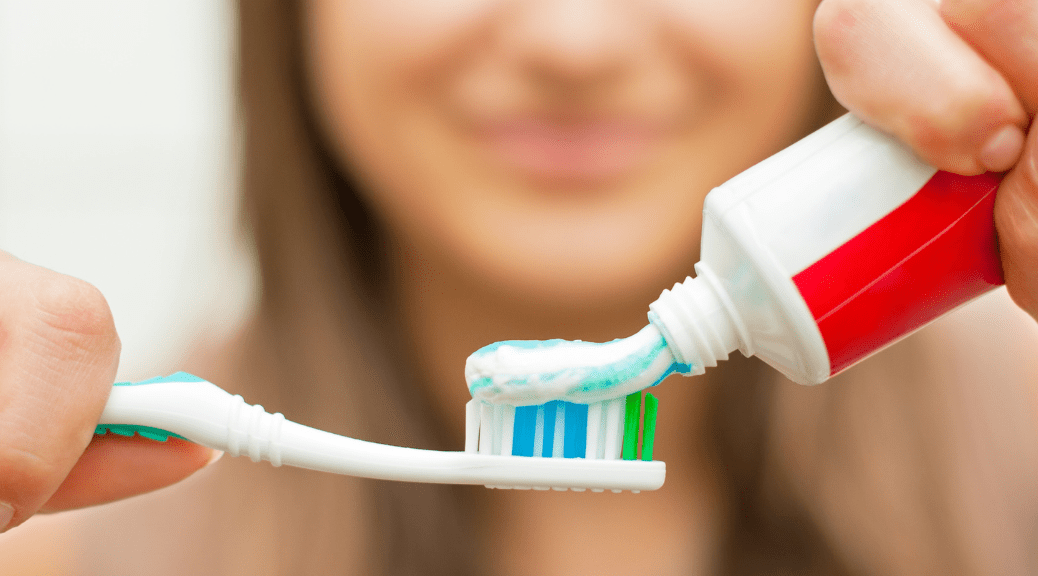
  • Get Fluoride Toothpaste – So as to increase the action of releasing fluoride from the filling.
  • Avoid Acidic Foods and Beverages — to avoid early wear and staining.
  • Regular Dental Check-Ups – Make sure that you make dental appointments every 6 months to get good evaluations.

Related Articles

Load More Articles

Our Store

Call Us Make an Appointment