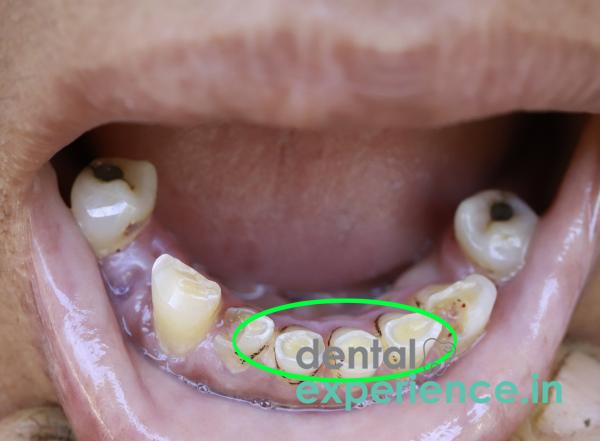
Dental attrition refers to the progressive mechanical wear of the contacting surfaces of teeth in the absence of outside factors such as chemicals or foreign bodies. As part of the clinical classification of size and shape problems — specifically wear and surface loss of the teeth — attrition affects the functional anatomy of your smile. Unlike cavitation due to bacterial breakdown, attrition arises due to excessive friction between two teeth. The continuous rubbing action will gradually wear away the external covering of enamel until it reaches the softer, deeper dentin layer. If unaddressed, excessive friction disrupts your masticatory (chewing) system and creates alterations in both your bite alignment and facial proportions.
What is it? The mechanical wear-and-tear of tooth surface(s) resulting from friction caused most commonly by chronic grinding of the teeth (Bruxism)
Core Effect: Alters the shape and size of the affected tooth, ultimately reducing tooth height and causing sharp, fractured edges.
Common Symptoms: Flat biting surfaces, fractured structural elements, dull jaw pain, and/or extreme sensitivity to cold/hot temperatures.
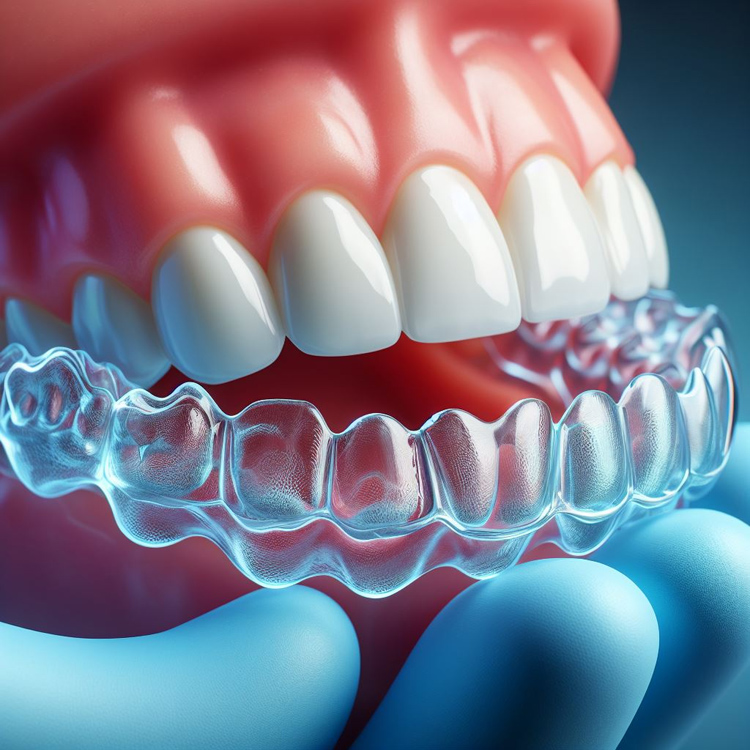
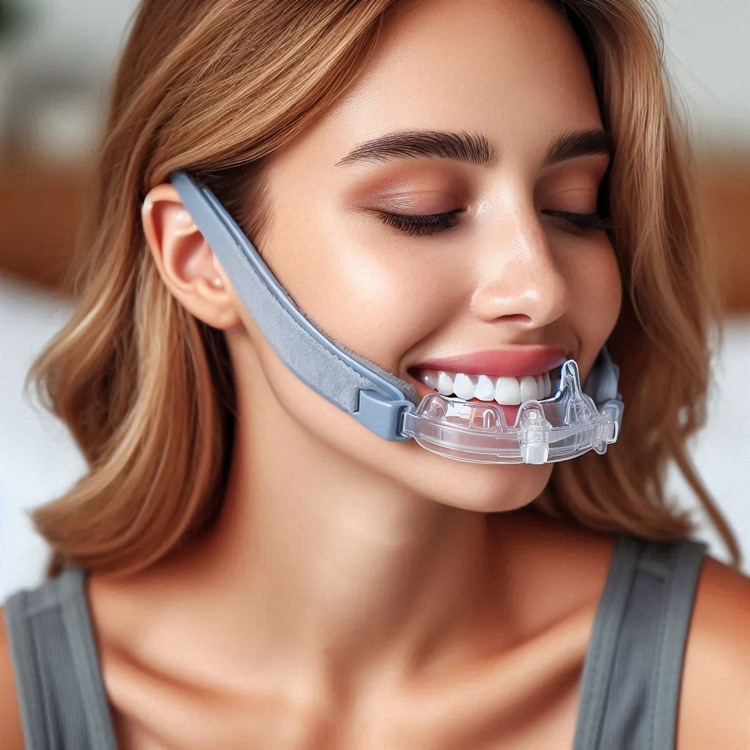
Solutions: Protective night guards for dental attrition initially, progressing toward full-mouth rehabilitation for worn down teeth.
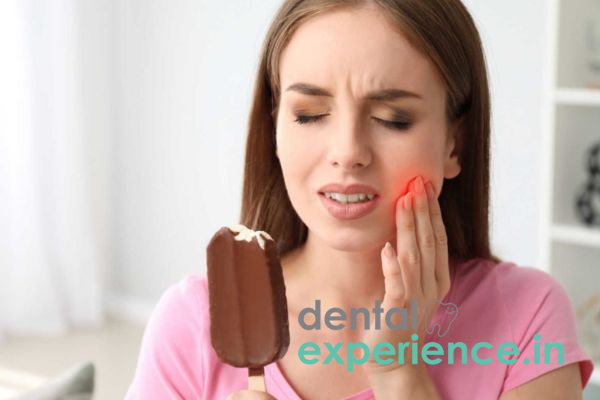
The symptoms of dental attrition can take many forms. In contrast to common cavities, the signs of dental attrition develop slowly and are less obvious. Structural changes occur first in patients, who observe their teeth being flattened or find that their anterior teeth appear shorter when viewing them in a mirror. Over time, the biting edges of the incisors lose translucence and become thinner and more fragile as they wear away. The molar and premolar areas have ridges and grooves that wear away to produce shiny smooth areas, or large circular yellow holes where enamel has been destroyed. Soreness in the muscles of the cheeks on rising from bed, a dull ache in the head region and sharp pain when consuming hot/cold liquids accompany the structural warnings indicating substantial surface loss.
Although surface loss is a natural part of aging, aggressive surface loss necessitates professional assessment. Schedule an appointment with a qualified dental professional if you see your teeth shrink noticeably in height or if sharp, jagged edges start to irritate your tongue and cheeks. Pain in the TMJ (jaw joint) consistently upon arising from bed, or if your upper and lower teeth no longer meet correctly indicates that you have structural destruction beyond the acceptable limits for accommodating natural enamel wear.
The main driving force behind attrition is bruxism – an unconscious habit of involuntary clenching/grinding of the teeth either during sleep or during periods of high stress during waking hours.
Excessive pressure exerted by the jaws far exceeds what would normally be expected in chewing forces, destroying one set of opposing enamel faces.
Malocclusions are also a principal cause; malocclusions put additional pressure on particular teeth to perform functions improperly. Additionally, individuals experiencing high levels of stress professionally, especially those experiencing nocturnal grinding are subjected to heightened pressures.
Chronic Stress & Anxiety: Increased cortisol promotes subconscious intense nighttime jaw clenching.
Sleep Disorders: There exists a close relationship between sleep disorders (e.g., sleep apnea) and bruxism.
Misaligned Bites: Crowded or crooked teeth create focal points of contact where there should be none.
Occupational Stressors: High pressure corporate jobs or working irregular schedules lead to increased muscle tension during sleep.
Age: Long term functional wear produces wear over several decades increasing the risk for dentin exposure.
Look at yourself in a well lit mirror and assess your smile. Are your top and bottom front teeth perfectly straight and flat as if they had been ground down? Inspect your bottom front teeth; Do you have tiny chips along the biting border? Look at how wide you open your mouth and evaluate your back molars; If the natural grooves are completely smoothed out or you see yellowish circular depressions on your chewing surfaces, then you know that you're losing enamel from the back side of your molars.
A thorough examination by a dentist is required to confirm a diagnosis of dental attrition. Dentists visually monitor wear facets (flat polished areas on the tooth structure). They make diagnostic models and utilize intra-oral digital scanning technology to obtain exact measurements of tooth size and shape profiles to serve as a baseline to measure future loss in height. Hyper-occlusion is diagnosed using specialized bite registration films to locate where the teeth come together too soon.
Mild: Only superficial enamel is affected. The affected tooth shows minimal shortening, but the patient is symptom-free.
Moderate: The dentin has been exposed. The patient's teeth exhibit clear evidence of shortening of their length, and possible mild thermal hypersensitivity.
Severe: Extensive shortening of tooth length causes the risk for pulp exposure. Extreme structural destruction is present, potentially jeopardizing the long-term survival of the tooth and its position relative to the other teeth.
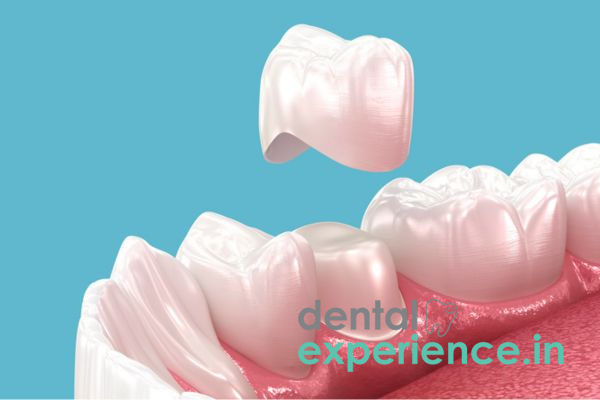
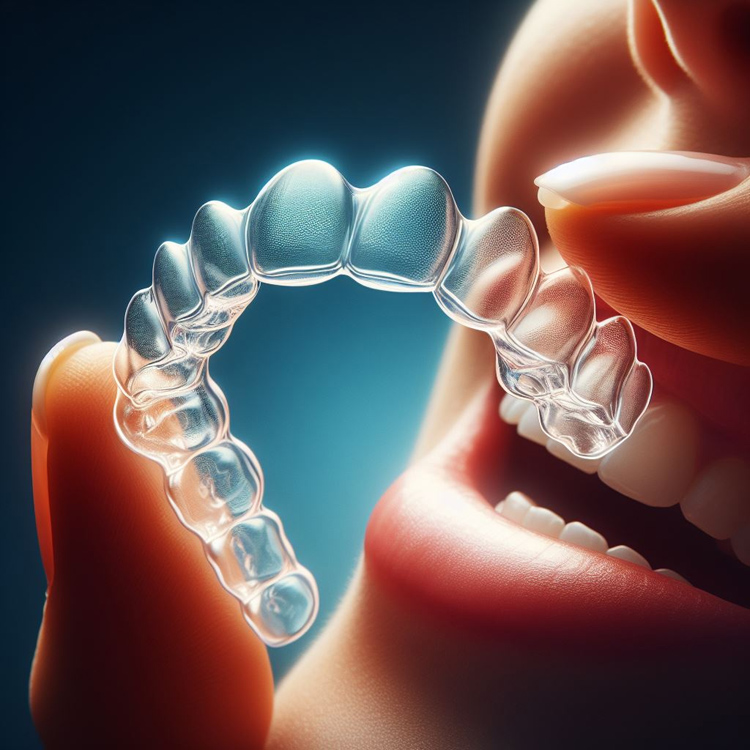
Treatment involves halting further damage and restoring lost tooth structure. Custom fabricated night guards for dental attrition can protect against damaging forces during sleep. Advanced treatments involve using durable composite resin to restore small chips or severe attrition (shortening of teeth) that alter facial aesthetics, requiring structural support. Re-establishing optimal vertical height and function often requires installing long lasting porcelain crowns or undergoing an extensive full mouth rehabilitation for worn down teeth.
Cost associated with treating tooth wear varies depending upon how much damage has occurred to tooth structure. Low-cost preventative strategies (custom-fabricated night guard) remain relatively low priced throughout clinics located throughout Kerala. Although economical and minimally-invasive solutions exist for aesthetic restoration needs, i.e., composite resin bonding in Kerala per tooth, comprehensive rehabilitative procedures utilizing digital crowns or total bite reconstruction require specialized laboratories and expensive materials which result in a premium long-term health investment.
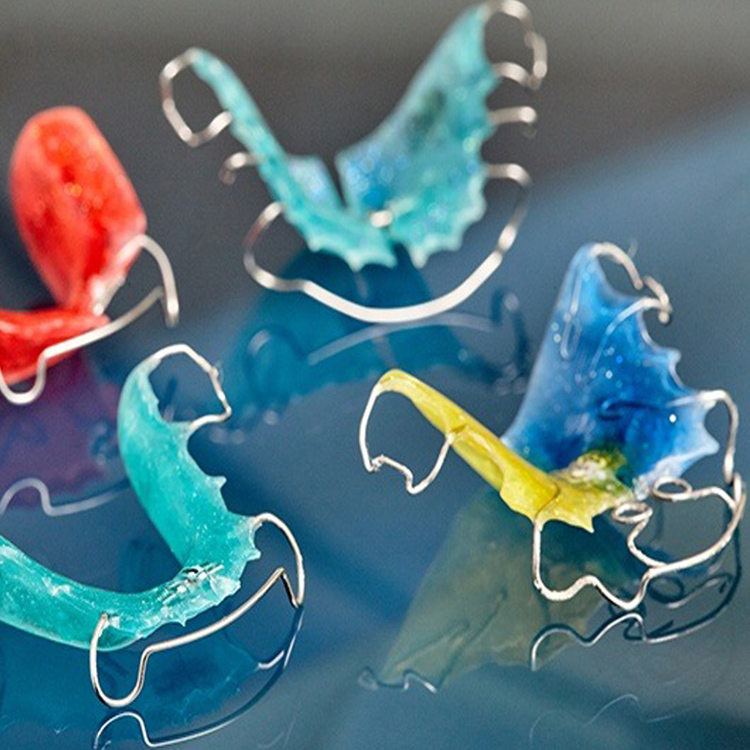
Management of surface loss of a high degree requires a multi-disciplinary team of experts. General dental practitioners can diagnose early wear patterns and provide standard night guards; however, complex cases are usually sent to a Prosthodontist -- a specialist focused exclusively on restoring severely damaged teeth and reconstructing dysfunctional bites. An Orthodontist may be called in to correct structural misalignment prior to final restorative procedures when severe structural misalignment contributes substantially to the extent of tooth attrition.
While attrition progresses slowly, delays in addressing tooth attrition results in more complicated treatments. Repairing attrition that remains within the enamel preserves your ability to select more conservative methods such as night guards or bonding. Once structural damage extends into dentin, tooth wear continues rapidly increasing risks for nerve exposure, root canals, or vertical fractures that can never be restored.
Can dental attrition be reversed naturally?
No. Enamel is dead tissue and cannot regenerate after loss. To restore true structural integrity requires expertly formulated restorative materials such as composites or ceramic.
How does attrition differ from abrasion and erosion?
Attrition represents mechanical tooth-to-tooth wear only by friction generated directly by contact between opposing teeth. Tooth surface loss differs from cavities and other types of wear; Abrasion is tooth surface loss created by friction produced by objects external to the oral environment (such as a hard-bristled brush); Erosion is chemical dissolution of tooth structures due to acid found in food/drink or stomach acidity.
Will grinding your teeth affect the shape of your face?
Yes. Extensive attrition decreases the vertical dimension of your bite. Collapse may shorten your lower third facial segment producing sagging cheeks and premature facial age appearance.




.jpg)
.jpg)
.jpg)
.jpg)

.jpg)
.jpg)
.jpg)
.jpg)
.jpg)
.jpg)
.jpg)
.jpg)