loader

Bite Analysis

Home› Treatments› Bite Analysis
Bite Analysis Treatment
Authored by Dr. Sreeja Aravind
Reviewed by Dr. Seby Varghese

Fast Facts

99% say it's "Worth It"
1500/- to 10000/-
Longevity: Results are not necessarily permanent as the condition of the past changes over time
Duration: 30 minutes to an hour, depending on the method applied.

Bite analysis is a diagnostic procedure that evaluates how your upper and lower teeth come together. It helps detect bite misalignment, teeth grinding (bruxism), TMJ issues, and uneven pressure that can lead to jaw pain or tooth damage. Accurate bite analysis ensures effective treatment planning for long-term oral health and comfort.

Ask Your Question
Share this page
What is Bite Analysis?

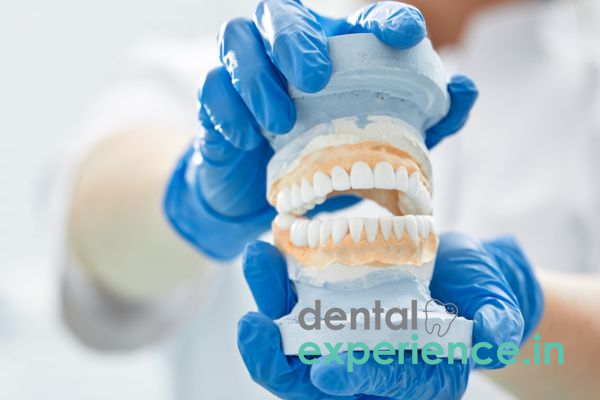
Bite analysis (or occlusal analysis) is a diagnostic procedure used within dentistry to assess the contact and alignment of the upper and lower dentition when the jaw is closed. This analysis is vital for detecting bite irregularities, jaw misalignments, and other occlusal issues that contribute to dental conditions like tooth wear, TMJ disorders, and even chronic headaches. Bite analysis today is one of the cornerstones of preventive and restorative dentistry.

Why is Bite Analysis needed?

The purpose is mainly for the diagnosis and treatment of malocclusions (if the bite is not aligned correctly) and other occlusal problems. A good bite distributes chewing forces evenly, alleviates the strain on the jaw joints, and prevents teeth from wearing out prematurely. For doctors, bite analysis is an important part of treatment planning; for example, when planning a case for orthodontics, dental implants, or restorative care, including crowns and bridges. It can ease pain, help in the efficiency of chewing and promote general oral health for patients.

Who should consider Bite Analysis?

Recommended for people with the following conditions:

  • Chronic jaw pain or TMJ problems.
  • Uneven wear or constant chipping of teeth.
  • Difficulty chewing or biting.
  • Unexplained headaches or earaches.
  • People getting orthodontic treatment or restorative dental care.
  • It is advantageous for individuals with a history of bruxism (tooth grinding) or for those who want cosmetic enhancements in their smile.

What are the different Types of Bite Analysis?

Bite analysis can be performed in several ways:

  • Clinical examination : Dentists assess visually and physically the bite.
  • Articulating paper: A paper (thin) used for marking contact points on teeth.
  • Digital scanners: Sophisticated devices used to convert the bite into 3D models for detailed examination.
  • Digital T-Scan: This system records bite force, location, and timing of occlusal contacts.
  • Photographs: Analysis of photographs in evaluation of teeth position and occlusion.

How is Bite Analysis Performed?

The process typically involves the following steps:

  • Preliminary checkup: The doctor checks the medical and dental history of the patient.
  • Examination​: Dentist examines the teeth, gums, and jaw joints.
  • ​Impressions or scans: Physical impressions or digital scans are taken of the teeth. As a result, the dentist analyzes the bite through one or more of the above methods.
  • Diagnosis and treatment plan: The treatment plans are recommended by the dentist based upon the findings made.

What are the benefits of Bite Analysis?

  • Identifies problems before they worsen.
  • Enhances chewing efficiency and speech.
  • Alleviates jaw pain, headaches, and TMJ discomfort.
  • Improves smile alignment and overall appearance.
  • Provides a foundation for personalized dental care.

What make Bite Analysis better than others?

Bite analysis is a non-invasive diagnostic tool that is a very accurate and complete way of analyzing occlusal errors. In contrast to older methods that depend on visual inspection alone, new solutions such as digital scanning and T-Scan can deliver in-depth information about bite power along with alignment. This precision not only facilitates improved treatment outcomes but also minimizes the risk of complications.

How long does bite analysis last?

Bite analysis results are not necessarily permanent as the condition of the past changes over time, for example, due to aging, tooth loss, or grinding or bruxism. But the analysis does offer insights that can take therapies in a right course with cumulative benefits in long terms.

How long does the procedure takes?

A bite analysis usually takes 30 minutes to an hour, depending on the method applied. Digital scans and advanced tools can be time-saving both ways, but the traditional methods like articulating paper can take longer. You will likely need some subsequent appointments to talk about results and how to make a plan for treatment.

What is the cost of Bite Analysis in India?

In India, bite analysis cost varies according to the method chosen and the clinics offering the analysis. On average:

  • Basic clinical examination: ₹500–₹1,500
  • Digital scans or T-Scan analysis: ₹2,000–₹5,000
  • Detailed investigation with management planning: ₹5,000–₹10,000.

What are the Risks and Complications?

The bite analysis is a low-risk procedure and with few complications. Yet, incorrect analysis or interpretation of results could make treatment ineffective. In rare cases, patients might tolerate temporary discomfort during the examination.

Are there any downsides?

  • Price: Advanced methods such as digital scanning can get costly.
  • Time: Some methods need several visits.
  • Highly dependent on expertise: Proper diagnosis and analysis depends on the dentist` qualifications and experience.

What are the alternatives to Bite Analysis?

Alternatives include:

  • Visual examination: Less precise but cost-effective.
  • X-rays or CT Scans: Provide structural insights but lack functional bite data.
  • Trial and error: Adjusting restorations without detailed analysis, which may lead to suboptimal results.

How to take care after Bite Analysis?

Post-analysis care is based on what the recommended treatment is. General tips include:

  • Follow instructions regarding orthodontic appliances or restorations.
  • You have follow-up appointments to monitor the progress.
  • Maintain good oral hygiene to prevent complications.
  • Avoid habits like teeth grinding or chewing hard objects.

Our Store

Call Us Make an Appointment