loader

Long Tooth

5 treatment options 8 specialists 17 info sections
Home › Problems › Tooth Size, Shape, & Position problems › Size and Shape › Long Tooth
Long Tooth
Dental Problem
Long Tooth
Ask Your Question

Long Tooth

1 / 17

An individual's smile form and function are dependent upon the structural relationship between the exposed portion of enamel on each tooth and the gingival (gums) structures that surround them. Evaluating size and shape problems, there is an often colloquial term used to describe when an individual tooth or group of teeth appear visually disproportionate compared to the rest of the dental arch. In a clinical sense under the category of Length/Smile Form, the lengthening seen here is almost always not an actual growth of additional enamel. Rather, it is usually some form of acquired visual asymmetry in which the protective boundary established by the gum line is changed thereby altering the tooth's clinical crown. In India particularly in Kerala State, this difference can severely impact an individual's self-confidence and therefore affect the overall esthetic harmony of the face and their ability to perform basic oral hygiene tasks.

Share this page

Quick Summary

2 / 17
  • Core Issue: Altered teeth length and smile form in which one or more teeth appear longer than others.
  • Primary Drivers: Typically created due to localized gum tissue recession, genetic developmental differences, or positioning variances in the jawline.
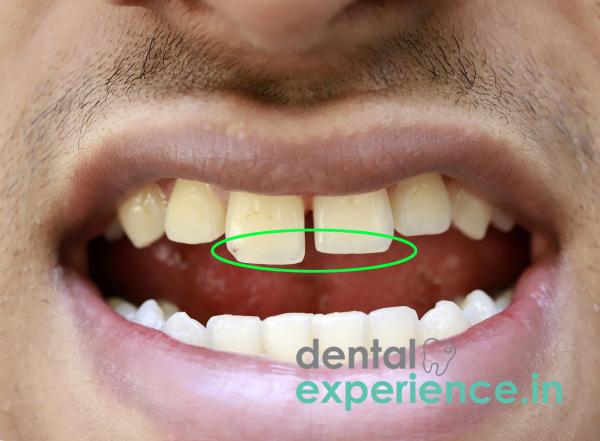
  • Key Visual Marker: Observing one of the front teeth(s) is longer than another, or seeing the darker root surfaces exposed near the upper border.
  • Treatments: Very easily treated through modern aesthetic approaches such as micro-contouring/laser tissue balancing, or custom veneers.
  • Regional Availability: Advanced digital workflows for smile stylization are available at all multi-specialty centers across Kerala.

Symptoms

3 / 17
  • Visual Elongation: Obvious elongation of the clinical crown which alters the entire long tooth shape problem dynamic of your smile form.
  • Color Variance: Visible line where bright white crown enamel meets duller yellowish dentin of the now-exposed root surfaces.
  • Gingival Margin Changes: Changes where uniform "scalloping" of healthy pink gums begin to become flattened/migrate upward.
  • Sensory Flash: Painful shock when consuming cold tender coconut water/hot tea indicating that the nerve endings beneath the exposed root are losing their insulating protection.
  • Structural Spacing: Small black triangle shaped spaces between the necks of adjacent teeth where thinning of triangular gum tissue occurred.

When to Worry

4 / 17

Although minor discrepancies in enamel length are completely acceptable, there are several progressive symptoms that necessitate formal consultation. If you see why my teeth look longer suddenly in the last few months, rapidly moving gum margins are not an overnight cosmetic phase - they represent ongoing structural changes occurring below the surface. Immediate clinical evaluation is recommended if the elongated tooth exhibits mild mobility when pressed by the tongue, or if root exposure is accompanied by continued bleeding during brushing, deep pockets, or constant localized pain. Indicators that signify the tooth is beginning to lose structural anchorage to the alveolar bone.

Causes

5 / 17

There are essentially two developmental mechanisms driving long tooth conditions:

  • Structural and Genetic Factors: At times, it is merely a matter of anatomical variation. Some individuals develop uneven tooth size distributions due to genetic anomalies during development leading to naturally long front teeth causes. Furthermore, when a tooth loses its opposing tooth in the other jaw due to an extraction, it will gradually move or erupt out of its socket seeking contact with the opposing tooth - making its body appear visibly longer than those next to it.
  • Pathologic Retraction: The primary clinical mechanism that creates length imbalances is progressive gum recession. The inflammatory response generated by chronic plaque retention causes separation of the attachment fibers in the gums. Utilizing hard bristle toothbrushes along with using horizontal brushing techniques with excessive force can literally break down the thin margin of the tissue allowing for direct access to the root surface and creating aesthetically disturbing uneven tooth length presentations.

Risk Factors

6 / 17

Both physiologic factors and patient lifestyle habits contribute to potential unequal tooth lengths:

  • Aggressive Brushing Techniques: Utilizing stiff nylon-bristled toothbrushes with heavy-duty horizontal scrubbing action accelerates the degeneration of thin tissue.
  • Genetic Phenotype of Tissue: Individuals born with thin genetically determined profiles of tissue have limited resistance to mechanical wear and inflammation.
  • Malocclusion Patterns: Poorly aligned jaws/crowded teeth create abnormal amounts of uneven forces on singular units accelerating bone resorption on the over-loaded side.
  • Uncontrolled Bruxism: Un-managed nightly clenching/grinding activity increases stress on the cervical region of teeth generating micro-fracture of enamel and subsequent retraction of tissue.

Self-Check

7 / 17

You cannot determine whether you have developed a structural shift requiring an appointment solely by reviewing your mirror reflection. However, you can quickly conduct a preliminary self-assessment using a well-lit mirror:

  • Smile Normally ---> Evaluate if your upper gum line establishes a smooth, symmetrical wave.
  • Close-Up ---> Determine if one tooth projects significantly farther downward toward your lower lip than others.
  • Run Your Finger Down ---> Gently rub your finger from your gum line downward. Can you detect a ridge/notch?
  • Check Color ---> Identify a yellow/dark cream colored area above the elongated tooth.

If you answered yes to more than two questions above, it indicates your concern has shifted away from pure anatomy and toward an acquired condition affecting your smile form.

Diagnosis

8 / 17

In addition to assessing your smile visually, a thorough diagnosis from a specialized office employs multiple advanced technologies to provide a comprehensive understanding of the structural changes responsible for what contributes to long teeth in adults:

  • Periodontal Mapping: Dentists utilize precision instruments to assess and document the degree of tissue spacing around each tooth in order to verify active detachment.
  • Digital Intraoral Photography: High-resolution cameras capture images detailing structural loss at the base (neck) of each tooth providing information about regions of recession on tissue.
  • Radiographic Digital Technology: Digital radiographs allow clinicians to visualize bone levels that support elongated teeth.
  • 3D Intraoral Scanner: Clinicians employ advanced intraoral scanners to produce accurate models of your mouth enabling them to develop long teeth smile makeover strategies precisely.

Severity

9 / 17

Oral Health Care Providers categorize length and shape problems into three different categories related to structural findings:


Severity Level
 

Structural Findings

Impact on Clinical Condition

Mild

Less than 2 mm exposure of root; located exclusively within enamel-gum junction.

Mostly cosmetic imbalance; noticeable unevenness in length of teeth.
 

Moderate

Exposure of 2-4 mm of root; visible roots remain supported by stable bony structure.
 

Noticeable visual alteration; sensitive to temperature extremes in food/beverages.
 

Severe

More than 4 mm exposure of root; considerable loss of bony support for tooth.
 

Tooth may be slightly mobile; risk of structural failure exists if left untreated.


Treatments

10 / 17

Correcting an elongated tooth requires a customized plan addressing the reason for the change:

  • Micro-reduction (enameloplasty): If your teeth were either longer/naturally irregular due to abrasion patterns, your dentist could perform cosmetic contouring. The dentist would take small increments off the longer end of your enamel so that your teeth will improve appearance after only one visit without having to administer anesthesia.
  • Advanced Laser Tissue Balancing: If one or more teeth appear longer because nearby gum lines are uneven, dentists use low-energy soft-tissue dental lasers to carefully trim back uneven portions of gum. By doing so, they establish symmetry to your smile line by re-establishing a balanced frame around your teeth.
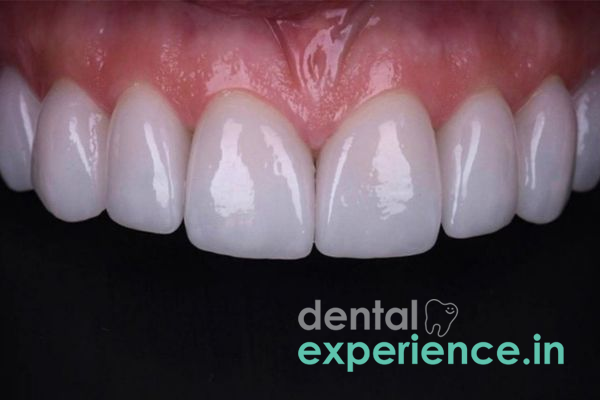
  • Restorative Additives: When elongated teeth result from exposed roots or lost enamel coverage, custom-made ultra-thin porcelain veneers or composite bonding can restore your teeth' proportions while providing protective coverings for exposed sensitive surfaces.

Cost

11 / 17

Reshaping/Cosmetic Contouring: Varying between ₹1500 - ₹4000 per arch for each type of corrective shaping needed.

  • Laser Gum Balancing: Estimated cost varies between ₹8000 - ₹20000 depending on quantity of teeth that need balancing.
  • Custom Premium Porcelain Veneers: Typically estimated between ₹12000 - ₹25000 per tooth for superior durability using non-metallic materials such as E-Max/Zirconia.
  • Long Term Comprehensive Smile Makeover Using Multi-Disciplinary Approach With Digital Workflows: Customized makeovers utilizing 3-dimensional digital scanning work-flows typically range between ₹35000 - ₹150000+ across major cities in Kerala.

Specialists

12 / 17

Successfully treating size/length/shape problems often involve collaboration among multiple specialties:

  • Specialists with Cosmetic/Aesthetic Focus: Dental professionals focused on visual balance and creating micro-contouring/plans incorporating porcelain additions for precise placement.

  • Specialized Periodontist: Gum surgeons specializing in treating root exposures with minimal invasive techniques using laser or grafting tissue.

  • Prosthetics Experts: Specialists skilled in advanced restorative techniques ensure new restorations fit accurately and maintain oral health stability for years to come.

Urgency

13 / 17

If your teeth were simply larger/naturally irregular as part of your unique anatomy, then this was primarily an aesthetic consideration. You can choose a time when you wish to improve your smile for any number of reasons.

Frequently Asked Questions

14 / 17

1. Can I get my teeth shortened for smile correction with no risk?

Yes. If the nerve within the tooth remains intact and the tooth has sufficient enamel remaining for us to micro-contour, shortening of small-to-moderate amounts of tooth length will be safe and will not compromise the tooth structure.

2. Will my front tooth "correct" itself after some years?

No. Receding gums or excessively erupted teeth are unlikely to spontaneously return to their normal position. Any restoration of your smile requires specific clinical intervention to accomplish this goal.

3. Is the cost of tooth contouring in Kerala covered under most standard insurance policies?

Most insurance plans are designed to provide coverage only for medical necessity; therefore, they typically do not provide coverage for cosmetic-only treatments. If however, the contours were made necessary because of an active case of periodontal disease or damaged dental structures were repaired during the course of therapy, portions of the therapeutic care provided may have been eligible for insurance reimbursement.

Related Conditions

15 / 17
  • Periodontitis: chronic inflammation of the tissues that support your teeth and surround them (the periodontium). This process results in progressive destruction of the supporting alveolar bone structure as well as eventual exposure of part of the root(s).
  • Alveolar bone loss/atrophy: gradual loss of mass from the alveolar bone that lies immediately beneath the gum line. This bone loss reduces the amount of space available for attachment of the gingiva resulting in its receding above where it once was located.
  • Non-cleft tooth abfractions: notch formations present around the neck area of a non-cleft tooth due to repetitive wear associated with bruxism activity that also contributes to a tooth being perceived as longer than desired and/or uneven.

Related Treatments

16 / 17
  • Digital Smile Designing (DSD) - The use of advanced software technology to create a comprehensive computer model for planning the ideal proportions of your smile design before initiating actual restorative treatment.
  • Root planing/micro-scaling - Therapeutic cleaning procedures used to remove all subgingival biofilm and calculus deposits, preventing future recession and pocket formation.
  • Pinhole surgical technique - An innovative method for restoring receded gum tissue without the need for incisional surgery or suturing.

Expert Review

17 / 17

When assessing length discrepancies or other smile form issues, we carefully evaluate how much of each individual's enamel is affected along with how much of each tooth's adjacent gum tissue has been lost. In treating many patients who seek smile designing treatment in Kerala, one common error is focusing primarily on how far the crown of the tooth extends beyond the gumline. To achieve true cosmetic harmony, we first determine whether the issue relates to excessive wear of the enamel surface or whether the issue is due to recession of gum tissue exposing part of each root. By utilizing advanced diagnostic tools such as digital diagnostics, we are able to assure our corrective procedures yield optimal aesthetic benefits while maintaining both long-term health and stability of each patient's periodontium.

Ebooks

Our Store

Call Us Make an Appointment