loader

Self Ligating Braces

Home› Treatments› Self Ligating Braces
Self Ligating Braces Treatment
Watch Video
Reviewed by Dr. Seby Varghese

Fast Facts

99% say it's "Worth It"
60000/- to 120000/-
Longevity: Post-brace retainers are typically worn for a few years to hold teeth in place.
Duration: Bracket placement typically takes 1-2 hours, and visits are less time consuming than for conventional braces.

Self Ligating Braces

Self-ligating braces use advanced technology to straighten teeth faster and with greater comfort. They require fewer visits and adjustments, making them an ideal choice for effective and efficient orthodontic treatment.


Ask Your Question
Share this page
What are Self Ligating Braces?

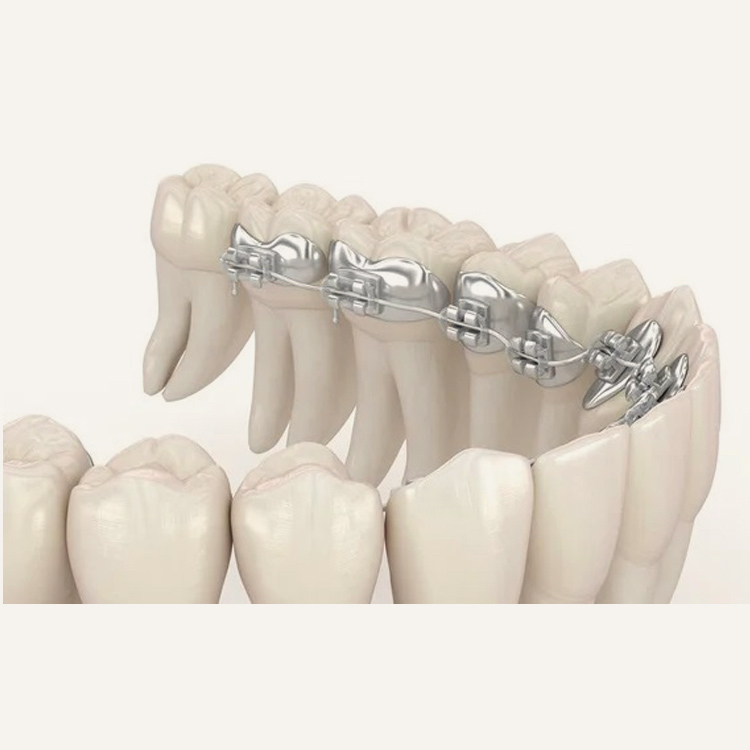
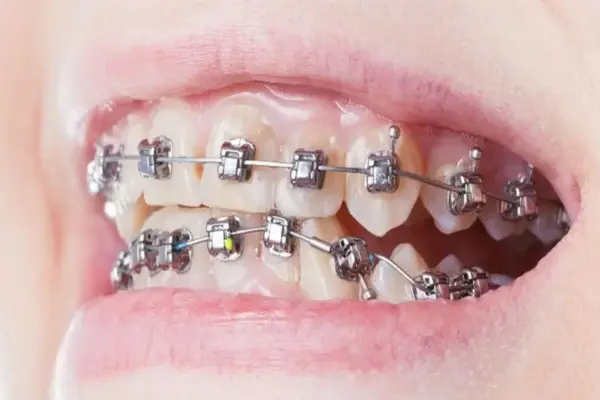
Self Ligating Braces (SLB) are orthodontic appliances used to fix teeth that are misaligned and correct alignment issues, or malocclusions. Unlike traditional braces that use elastic or metal ties to hold archwires in place, self ligating braces have a locking mechanism or clip that hold wires. This unique mechanism reduces friction, makes oral hygiene easier, and makes orthodontic treatment more efficient and comfortable.

Why is it needed?

The purpose of self ligating braces is to help correct misaligned teeth, overcrowding, and malocclusion (underbite, overbite, crossbite) so that teeth are properly aligned, chewing function is improved, oral disease is less likely to occur and aesthetics are better.

SLBs reduced friction mechanism may also mean faster tooth movement is possible and a reduced treatment time depending on the presenting case when compared to conventional braces.

who should consider it?

Self ligating braces are a good option for:

  • Teenagers and adults with a malocclusion ranging from mild to severe.
  • Patients seeking more comfortable and faster orthodontic treatment.
  • Individuals that value ease of oral hygiene while in treatment.
  • Patients who have had a poor experience with traditional braces and have had discomfort.


What are the different types?

1. Self-ligating braces can be broken down into two main categories:

  • Passive Self Ligating Braces: These braces utilize smaller archwires, therefore they allow your teeth to move more freely; these are typically employed in the early stages of treatment.
  • Active Self-Ligating Braces: These active braces apply more sustained and controlled forces on your teeth, and are typically employed in the later stages of treatment.

2. Self-ligating braces can also be categorized by material:

  • Metal Self Ligating Braces  - such as Damon, SmartClip.
  • Ceramic Self Ligating Braces - Tooth-colored for aesthetics.

What are the steps involved in the procedure?

The process to install self-ligating braces is similar to other types of braces and has several steps:

  • Initial Consultation: The orthodontist will perform an evaluation of your teeth and jaws with X-rays and digital scans.
  • Treatment Planning: In partnership with you, the orthodontist will create a specific treatment plan.
  • Bonding Brackets: Self-ligating brackets will be bonded to each tooth with dental adhesive.
  • Inserting Archwire: A shape-memory wire is inserted and secured to the brackets with built-in clips.
  • Follow-ups: You will be scheduled to return every 6-10 weeks to make adjustments or follow-up assessments.
  • Final Phase: Once you reach a healthy alignment between your teeth (or other specific goals), the braces are removed, and retainers will be provided.


What are the benefits of SLB?

  • Faster treatment time in some cases (reduced friction).
  • Fewer dental appointments needed (eliminating the need for elastic ligatures to be replaced).
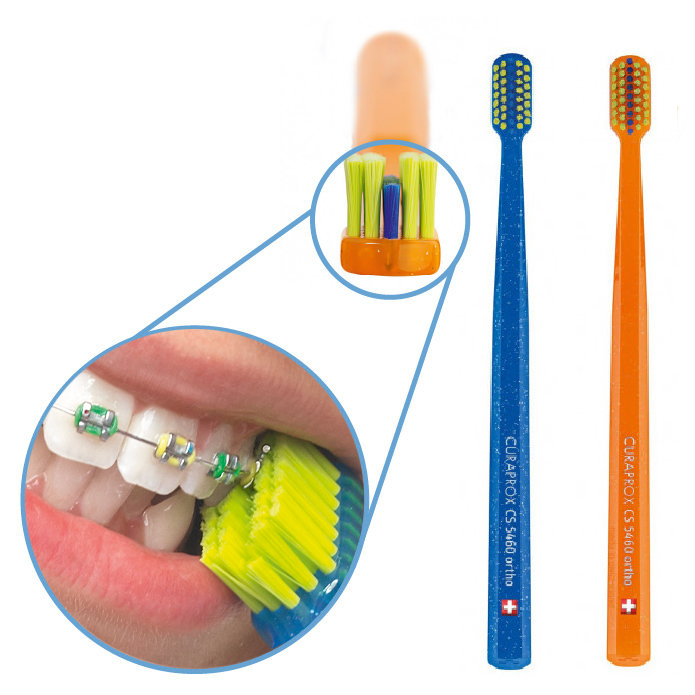
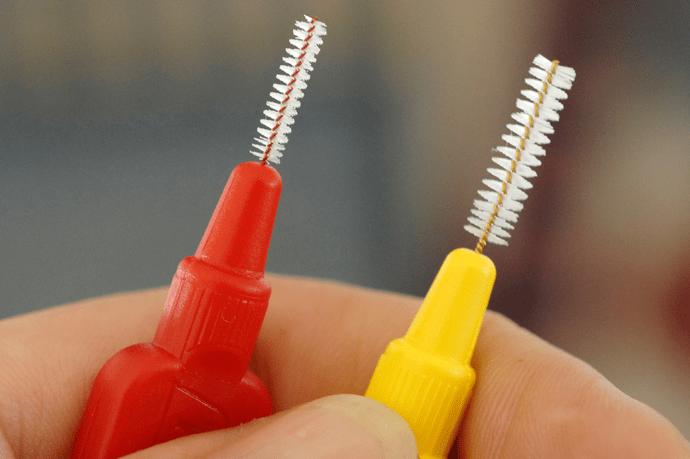
  • Better oral hygiene (food or plaque trapped in ligatures).
  • Better comfort (less pressure to the teeth, gums, and palate).
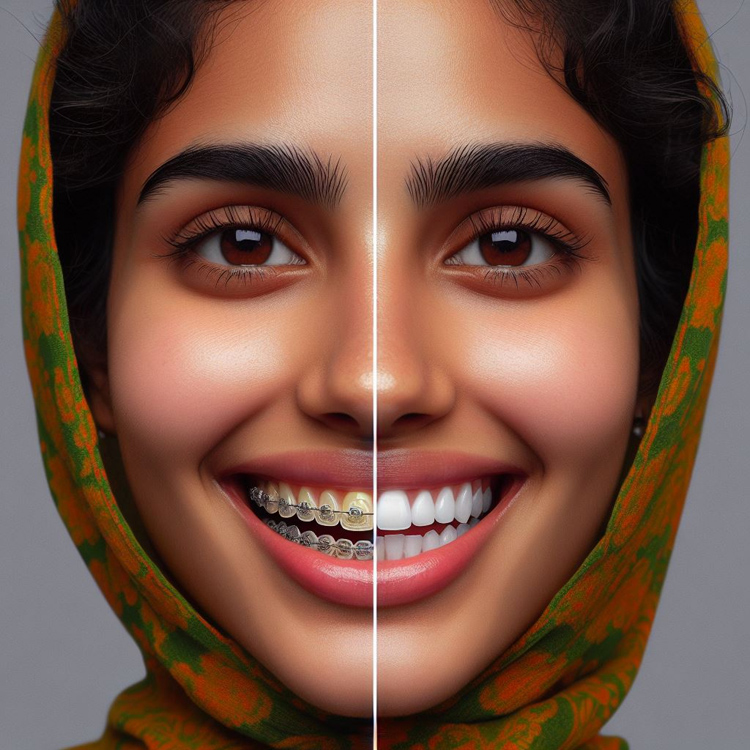
  • Better aesthetics (especially with ceramic braces).


What makes it better than other options?

Compared to conventional braces, self-ligating braces provide:

  • No elastic changes, simplifying appointments.
  • More efficient tooth movement achieved with lighter forces.
  • Lower chances of plaque accumulation around the elastics.
  • Smoother design that reduces or eliminates mouth sores.
  • More effective than clear aligners for complex or severe cases and does not rely on patient compliance.

How long do SLB last?

Braces typically remain in place for 12 to 30 months and the duration is dictated by the case complexity. With good compliance and oral hygiene, the hardware itself is durable and rarely breaks.

Post-brace retainers are typically worn for a few years to hold teeth in place.

How long does the procedure takes?

Bracket placement typically takes 1-2 hours, and visits are less time consuming than for conventional braces. Total treatment time will vary by case but may be shorter than traditional systems because of efficient biomechanics.

How much does it cost?

In India, the typical costs for self-ligating braces are:

  • Metal: ₹60,000-₹90,000.
  • Ceramic: ₹80,000-₹1,20,000.

Costs vary based on the city, orthodontist experience, and case complexity. Although self ligating braces are more expensive than conventional braces initially, the fewer number of appointments and increased comfort will improve the value over time.

What are the risks and complications?

Generally safe, but potential complications include:

  • Oral irritation or ulcers while your mouth becomes accustomed to braces.
  • Bracket loosening due to neglect.
  • Tooth root resorption (very rare).
  • Allergic reactions to metallic components (rare).
  • Delayed results due to missed appointments or poor oral hygiene.


What are the disadvantages?

Despite their benefits, there may be some drawbacks of using self-ligating braces.

  • They typically cost more than traditional braces.
  • They are not completely invisible (especially the metal ones).
  • They are not invisible like clear aligners.
  • There may be a lack of orthodontists who are certified to provide advanced systems in smaller towns.


What are the alternatives?

Some popular alternatives are:

  • Traditional/Metal braces - Less expensive, but can be more difficult to keep clean and comfortable.
  • Clear Aligners - Invisible, removable and relatively unobtrusive however they can be less effective in complex cases.
  • Lingual  Braces - On the lingual surface of your teeth and completely hidden, but more expensive and harder to clean.

Ultimately the options will come down to your dental goals/needs, your budget, and a few other lifestyle considerations.

How to care after the treatment?

The most important thing to remember is that care after dental treatment is extremely important to ensure the continued alignment of your teeth.

  • Wear retainers as directed (usually nightly).
  • Avoid sticky and hard foods.
  • Maintain oral hygiene.
  • Attend regular dental appointments.
  • Observe for signs of relapse behaviour (shifting, discomfort)

If the aftercare is performed well, the dental alignment should be retained and you will not need retreatment.

Our Store

Call Us Make an Appointment