

When children experience toothache symptoms, it indicates that there has been some form of structural damage to the tooth (whether a developing permanent tooth or a primary tooth). The tooth structure for a child is made up of an external layer of enamel, an internal dentin core, and an interior pulp chamber which contains nerve fibers and vascular supply. Since the enamel on primary teeth is about half the thickness of adult enamel, the rate at which microorganisms (bacteria) can penetrate through to the vascular pulp due to dental caries (tooth decay) is significantly higher. In pediatric dentistry, child tooth pain is classified into two categories: dentinal hypersensitivity (child tooth sensitivity) and inflammatory pulpitis (child's irreversible tissue inflammation).
Clinical Definition: Pain associated with an acute neural response to bacterial invasion (caries) and/or deep pulp inflammation/trauma.
Emergency Signs: Swelling around the lower facial area, high fever, nighttime pain unassociated with eating/drinking, or abscess formation under the gums.
Initial Treatments: Topical application of fluoride, use of resin-based composite restorative material (tooth-colored fillings), stainless steel crowns, or pulpotomy/pulpectomy procedures for pediatric patients.
Risk Factors Specific to Region: Regular consumption of sticky sweets made from refined palm sugar, and extended duration of bedtime nursing with sweetened milk.
Children will exhibit odontogenic pain in two ways: through behavioral changes and as somatic signs.
Aversion to Cold (Thermal Sensitivity): The child will experience sharp, transient pain when consuming cold drinks, cold treats such as ice cream, and/or warm liquids (e.g., hot broth).
Pain with Mastication: Crying, refusal to eat, and/or preference for chewing on only one side of the jaw while consuming crunchy/tough food items such as banana chips.
Trigeminal Nocturnal Pain (Deep Ache / Pressure): Spontaneously occurring at night, this severe ache can disrupt the child's sleep cycle, indicating increased vascular pressure within an inflamed pulp.
Visual Changes: A dark brown or white spot on the enamel surface where caries is visible, red color (erythema), and/or swelling of the gums overlying the affected tooth root.
The presence of specific clinical indicators may signal that localized caries has penetrated through the root apex into adjacent anatomical spaces:
Spread of Swelling: Swelling rapidly spreads to the face, mandible, or submandibular area.
Systemic Fever: Fever > 38.5° Celsius associated with lethargy.
Presence of Fluid-Filled Lesions (Parulis / Gum Boil):A pus-filled lesion with purulent drainage located proximal to the root of a tooth.
Severe Trismus: Significant difficulty opening the mouth sufficiently to swallow or speak.
Toothache in pediatric patients is caused by a variety of mechanical, chemical, and infectious pathways:
Bacterial Microleakage: Biofilms grow on the teeth, converting simple carbs into organic acid, which demineralizes the matrix of the enamel.
Early Childhood Caries (ECC): Occurs due to the constant consumption of sugary liquids or sweetened milk via a baby bottle during sleeping or napping.
Pediatric Dental Trauma: Tooth fractures / microfracture / displacement due to falls during participation in physical activity / sports.
Coronal Impaction: Pericoronitis (soft-tissue inflammation) around the crown area as a result of the shedding process of primary molars or when a permanent first molar breaks through the gumline.
Patterns of Diet: High frequency of sticky carbohydrate foods, dried fruits, or traditional regional confections such as halwa and unniyappam.
Developmental Enamel Hypoplasia: Low enamel mineral density since birth; dentin remains exposed.
Hypofunction of Salivation: Low resting saliva flow rate decreases natural oral buffering ability against acidic plaque.
Poor Hygiene: Infrequent twice-daily brushing habits or lack of supervision by caregivers for children < 8 years old.
You may do an informal, preliminary examination of the oral cavity of your child in a well-lit environment:
Use soap and water to wash your hands thoroughly before performing this procedure.
Using either a clean finger or a smooth wood-handled tongue depressor, gently retract your child's lips and cheek so that you can see both sides of their upper teeth.
Visually check the chewing surface of each tooth as well as the areas where their gums meet the teeth for signs of brownish stains, small holes, or redness around the edges of their gums.
Lightly rap the suspected tooth with your fingertip to determine if there is sensitivity (periapical pain) when touched.
Caution: Never insert sharp objects into a large cavity, such as a pin, since they will easily pierce the pulp floor and push bacteria further down into it.
Pediatric dentists use specific procedures to identify the severity of the decay:
Visual-Tactile Inspection: A magnifying glass and/or intraoral mirror used to visually inspect the area of the decayed tooth for microleakage and decaying fissures.
Radiographic Diagnostic Procedure: Low-radiation digital radiographs of the child's teeth by means of bitewing or periapical X-ray films demonstrate how far below the gumline decay has progressed as well as bone loss due to infection.
Thermal Vitality Test: Cold application to assess viability of nerves and potential inflammation within the tooth.
Palpation of Surrounding Tissue: Gentle pressure applied to surrounding mucosal tissue in order to assess tenderness of the periodontal ligament as well as possible formation of an abscess.
To determine the correct treatment pathway, pediatric tooth pain is graded into four distinct stages:
|
Severity Level |
Structural Damage |
Pain Profile |
Typical Clinical Findings |
|
Grade 1: Superficial |
Enamel demineralization |
Asymptomatic or mild sensitivity to sweet items |
White spot lesions; no pulp involvement |
|
Grade 2: Moderate |
Dentin penetration |
Brief pain linked directly to hot, cold, or hard food |
Visible dark cavity; intact pulp wall |
|
Grade 3: Severe |
Irreversible Pulpitis |
Persistent throbbing, spontaneous night waking |
Deep cavitation reaching central pulpal tissue |
|
Grade 4: Complicated |
Pulpal necrosis & bone infection |
Severe constant pain or dull ache with localized numbness |
Abscess formation, facial swelling, or sinus tract |
Early stages of tooth decay are arrested using either high-concentration SDF (Silver Diamine Fluoride) or a bioactive glass varnish in an effort to preserve as much of the child's own tooth structure as possible.
Pediatric Pulpotomy: This procedure involves removing the infected portion of the top part of the tooth pulp while leaving the bottom part of the pulp in place. The removed tissue is then treated with MTA (Mineral Trioxide Aggregate).
Full Coverage Restorative Procedures: When there has been damage to the tooth, a pediatric dentist will restore it with either a pre-formed pediatric stainless steel crown or a zirconia crown.
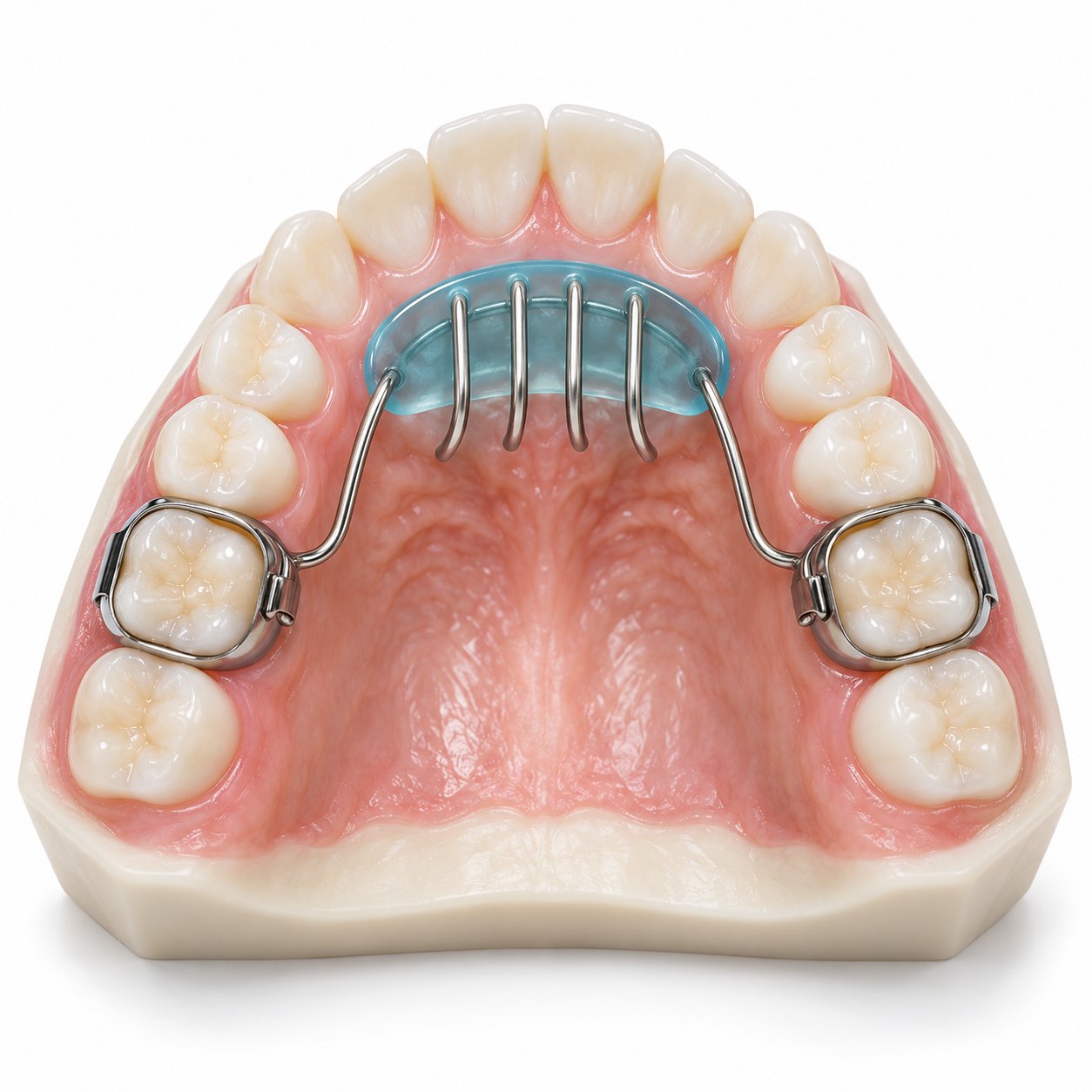
Safe Extraction & Space Maintenance: In cases where a tooth cannot be restored, safe removal of that tooth occurs. Following this process, a fixed band-and-loop space maintainer is placed into position to keep room available for the emergence of a new adult tooth.
Pediatric dental treatment costs across Kerala vary based on facility tier, material selection, and required sedation:
|
Procedure Category |
Estimated Cost Range (INR) |
Primary Cost Factors |
|
Preventive Varnish / Fluoride |
₹800 – ₹2,000 |
Application scope, clinic location |
|
Composite Dental Filling |
₹1,200 – ₹3,000 |
Cavity surface area, resin grade |
|
Pulpotomy / Pulpectomy |
₹3,500 – ₹7,500 |
Use of bioactive filling materials (MTA) |
|
Pediatric Crown (SS / Zirconia) |
₹3,000 – ₹9,500 |
Metal vs. high-aesthetic tooth-colored ceramic |
|
Space Maintainer Appliance |
₹4,000 – ₹8,000 |
Custom laboratory fabrication requirements |
Private health insurance plans generally cover pediatric dental surgeries performed under general anesthesia due to acute trauma. However, routine outpatient restorative work is typically paid out-of-pocket or supplemented through institutional corporate health plans.
General Dentist: Appropriate for most dental assessments, prevention of caries, and minimal one-surfaced restorative care for cooperative older children.
Pediatric Dentist (Pedodontist): Necessary for all complex pulp treatments, patients that have severe dental fears, young children, and developmental abnormalities treated by pediatric behavior guidance methods.
Oral and Maxillofacial Surgeon: Patients referred for difficult surgical extractions, supernumerary impaction, and spread facial infection which require intravenous anesthesia and/or hospital-based drainage.
Emergency (0–4 Hour Window): The patient is experiencing swelling on their face, they are bleeding excessively from their mouth, a permanent tooth has been knocked completely loose, or they have experienced trauma to their jaws which may fracture it.
Same-Day (Within 24 Hours): Patient has constant throbbing toothache preventing them from sleeping through the night, visible abscesses/pus draining at the gums (boils), or chipping of enamel exposing the dentin/pulp center of the tooth.
Elective Appointment (Within 3–7 Days): Sensitive to sweetness/cold when consuming food/drink, localized food trap, or mild discomfort due to the premature loss of deciduous teeth.
Why is my child's tooth pain worse at night?
Children are more likely to experience throbbing tooth pain due to their lying down position. When they lie down, there is an increase in blood flow (vascular pressure) towards the top of their head. When a tooth has an exposed or inflamed pulp area, this increased vascular pressure creates more pressure within the enclosed pulp chamber, therefore producing a throbbing pain sensation.
Do you need to do a root canal for a primary tooth that is going to fall out anyway?
The average time that primary molars remain in a child's jaw is from approximately 10 to 12 years old. Premature extraction of these baby teeth causes the adjacent teeth to migrate into the vacant space left behind. Migration of adjacent teeth results in serious problems for future dental work, such as severe impactions of permanent teeth and poor alignment of all upper and lower jaws.
What safe pediatric home remedy treatments can I use immediately to help alleviate my child's toothache?
Have your child take warm salt water and gently swish around his/her mouth to remove debris from areas where food may be wedged. Have your pediatrician administer your child the appropriate dose of age-based, weight-based type of acetaminophen (Tylenol). Do NOT crush up pain medication and place it on gum tissue, as this will burn their gum tissue.
Children experiencing chronic dental pain require a timely clinical evaluation to stop further progression of decay from reaching the nerve tissue. Parents should seek professional assistance if their child experiences persistent pain at night or pain that wakes them up; temporary solutions will do nothing but delay necessary clinical treatment.
Early restoration of natural primary teeth is essential to preserve natural primary teeth structures while protecting developing permanent teeth under the gumline, maintaining normal growth of all facial muscles.




.jpg)
.jpg)
.jpg)
.jpg)
.jpg)
.jpg)
.jpg)
.jpg)
.jpg)
.jpg)
.jpg)
.jpg)
This site is part of the DEC Dental Network — a Dental Equity & Connectivity ecosystem of clinical, educational, and patient-support brands operated by Team Dental Pvt. Ltd. Our network works as one — guiding you from your first search to your final smile.
© 2026 Team Dental Pvt. Ltd. · Founded 2013, Angamaly, Kochi, Kerala
About DEC Dental