loader

Cyst/ Abscess removal

Home› Treatments› Cyst/ Abscess removal
Cyst/ Abscess removal Treatment
Authored by Dr. Sreeja Aravind
Reviewed by Dr. Seby Varghese

Fast Facts

99% say it's "Worth It"
1500/- to 25000/-
Longevity: Once properly treated the results are typically permanent.
Duration: Usually completed in 30 to 60 minutes. Initial recovery takes 1 to 2 weeks, with full healing in 4 to 6 weeks.

Cyst or abscess removal is a minor surgical dental procedure used to treat infections, swelling, or pus buildup in the gums, jaw, or around teeth. Left untreated, dental abscesses and cysts can damage bone and surrounding tissues. Our expert dentists safely remove the infected area, relieve pain, and restore oral health. Treatment is quick, effective, and prevents future complications.

Ask Your Question
Share this page
What is Cyst/ Abscess removal?

A cyst and abscess removal is a simple surgical procedure conducted by dentists or oral surgeons, to remove infected or fluid-filled sacs which form in the gums, jawbone, or around teeth. These lumps can be caused by bacterial infections, traumatic dental injuries, or the developmental abnormalities. If untreated, they can result in serious complications including tooth loss, jawbone damage, and spread of infection to other areas of the body. With advancements in dental techniques, the cyst and abscess removal is safe, effective, and minimally invasive.

Why Is It Needed?

The primary purpose of cyst or abscess extirpation is to eradicate infection, alleviate pain, and prevent the progression of oral health deterioration. Here are a few of the top reasons to consider this procedure:

  • Infection elimination to prevent it from spreading to surrounding teeth and bone.
  • Flushing out cystic growth or pus that is causing pain and swelling.
  • Preventing bone loss due to infection and preserving the structure of your jaw bone.

For individuals who have chronic swelling, pus drainage, or deep pain, surgical removal becomes crucial to attain optimal oral health.

Who is a good candidate?

It is recommended that cysts or abscesses be removed for anyone with:

  • Gum or jaw swelling that doesn’t go down.
  • Abscess, pus drainage from a tooth or gum.
  • Cystic presentation through X-rays or CBCT.
  • Repeated infections despite root canal treatment or antibiotics.
  • Cyst formation caused by impacted teeth.

What are the different types?

  • Enucleation – The entire cyst and its lining is removed to minimize the chances of recurrence.
  • Marsupialization – A procedure in which a small cut is made in the cyst and allows it to drain over time, gradually shrinking the cyst.
  • Incision and Drainage (I&D) – A technique that involves making an incision to drain an abscess, relieving pressure and pain.
  • Curettage — Scraping out the cyst cavity to eliminate any infected tissue remaining after surgical removal.
  • Resection – In cases where the cyst is large or recurrent, part of the affected bone may be removed.

How is it performed?

The process generally involves the following:

  • Diagnosis – Clinical examination, followed with X-rays or a CBCT scan to determine the exact location and size of the cyst or abscess.
  • Anesthesia — A local anesthesia is used to numb the area before the surgery.
  • Incision and Exposure – The surgeon makes an incision in the gum tissues to reach the cyst or abscess.
  • Removal or Drainage – The cyst is removed surgically or abscess is drained to remove pus and infection.
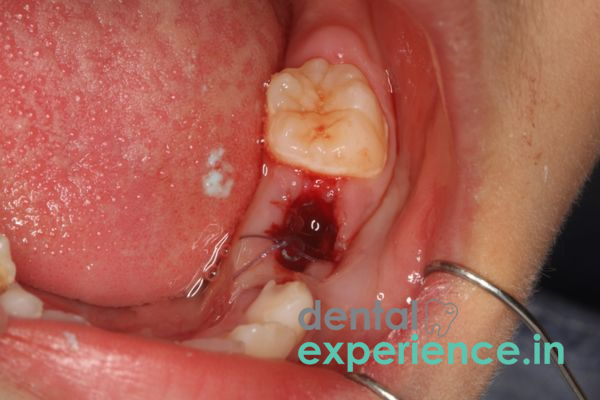
  • Cleaning & Closure – You clean the wound, and may stitch it up if needed. Restoring lost bone sometimes requires a bone graft.
  • Post-Surgery – Patients are given antibiotics, pain medication, and instructions on care.

What are the benefits?

  • Pain relief immediately after infection removal.
  • Prevention of significant complications such as bone loss or tooth removal.
  • When properly excised, minimal risk of recurrence.
  • Healing and recovery are faster than if untreated.
  • Restored oral functioning and appearance.

What are the superlatives compared to other alternatives?

Surgical cyst and abscess removal is a more permanent solution than medication alone, as it removes the source of infection. This is different from root canal therapy which treats internal infections; cyst removal treats larger deeper albeit infections from the jawbone. Furthermore, contemporary surgical approaches offer a less invasive option, minimizing discomfort and recovery period.

How durable are the results?

Once cysts and abscesses are surgically removed, they usually do not reappear providing the primary issue (such as infection or impacted teeth) is effectively addressed. Patients must observe good oral hygiene and regular dental visits to avoid recurrence. In some cases, if they weren’t taken out fully, the tissue may grow back and needs more treatment to eliminate it.

How long does the procedure take?

  • Drainage of abscess: 15-30 minutes.
  • Cyst Removal: 30-60 minutes.
  • Marsupialization: 45 min – 1 h.

Most patients return to normal activities in a couple of days, but full healing may take a few weeks.

What is the cost of cyst/abscess removal?

The average price for cyst or abscess removal depends from the case complexity, dentist’s qualification, and the location of the clinic.

  • Simple Abscess Drainage: ₹1500 - ₹5000
  • Surgical Cyst Removal: ₹5,000 — ₹20,000
  • Advanced Surgery with Bone Grafting: ₹25000+

What are the risks and complications?

Some potential risks, while generally safe, may include:

  • Infection (which is treatable with antibiotics and prophylactic aftercare).
  • Bleeding or swelling following the procedure.
  • Nerve damage (uncommon but possible in deep cysts near nerves).
  • Poor healing in diabetics or immunocompromised.

Are there any downsides?

  • Some soreness or swelling for several days after surgery.
  • Need for follow-up visits to ensure proper healing.
  • Risk of recurrence if they are not all taken out.

What are the Alternatives?

  • Root canal Treatment (if infection is in a tooth).
  • Antibiotics (for minor infections only).
  • Aspiration (or needle drainage —provides temporary relief, but does not cure).
  • Wait-and-watch approach (for very small, non-growing cysts).

How To Care For Yourself Post-Treatment?

  • Medicines – Complete the prescribed antibiotics and pain relievers.
  • Oral Hygiene — Use antiseptic mouthwash and gargle warm salted water.
  • Diet – Eat soft foods, and avoid spicy or hot meals for the next few days.
  • Activity Limitations – Refrain from vigorous activities for 24-48 hours.
  • Follow-Up-Visits – Go in for check-ups to see how healing is coming along.

Our Store

Call Us Make an Appointment