 Treatment
Stainless Steel Crown – Strong Protection for Primary Teeth
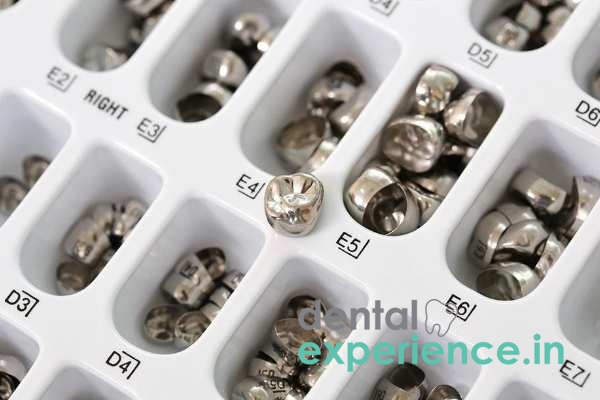
Stainless steel crowns are durable, pre-formed metal caps used to restore decayed or damaged teeth, especially in children. They are commonly placed on primary molars to protect the tooth until it naturally falls out. These crowns are ideal for treating large cavities, after baby root canal treatments (pulp therapy), or when long-term strength is needed.
Stainless Steel Crowns (SSCs) are widely used crowns in paediatric dentistry. They are made of medical-grade stainless steel that restore the function and appearance of teeth that have suffered from significant tooth decay or trauma. SSC are considered in paediatric dentistry as a temporary yet durable restoration until permanent teeth come into place. In contemporary dentistry, they are known to be instrumental in maintaining primary teeth, which aids in maintaining normal oral development and preventing early tooth loss resulting in possible misalignment of subsequent dentition.
Stainless steel crowns in children are primarily used to maintain the structure, strength, and function of primary teeth, which may not be suitable for traditional fillings due to extensive decay or damage. These crowns are ideal after pulp therapy (pulpotomy or pulpectomy), leaving the remaining tooth structure compromised. After the SSC is put in place, the tooth is sealed and protected from further bacterial invasion that will allow the child to eat, talk, and chew normally and helps maintain space for the permanent teeth.
SSCs is a perfect fit for kids aged 2 to 10 who experience the following:
Based on overall cost, reliability, and low invasiveness with less need for repeated intervention, SSCs continue to be a preferred treatment by paediatric dentists.
Most SSCs are designed in a similar way but can be classified according to:
These types differ in terms of shape and size to optimise the fit and provide better coverage of the child's tooth.
When it comes to the clinical steps involved with placing an SSC in paediatric dentistry:
It is usually performed in one sitting and is relatively quick.
SSCs have functional and psychological benefits since they preserve the tooth and improve normal oral development, by preventing early tooth loss.
Stainless steel crowns also have the following benefits when compared to other restorative options, such as composite or amalgam fillings:
These unique characteristics make SSCs a material of choice for paediatric restorative dentistry in the world.
On average, SSCs remain in place until the primary tooth exfoliates naturally at around 10–12 years of age. When properly put in place and maintained, these crowns can last intact and functional between 5–8 years. Their resistance to wear, corrosion and moisture makes them very reliable, particularly for children who are active and less compliant.
The total time for the SSC procedure is usually 30–45 minutes per tooth. Now, most of the time will be taken up with tooth prep and crown fitting. Because it’s usually one and done within an appointment, it’s super convenient for children and parents. Recovery following the procedure is minimal, allowing children to return to normal activities the same day.
Here are the factors in India which affect price of stainless steel crowns:-
It generally costs somewhere around ₹1000 to ₹3500 per tooth. In some educational institutions like government or teaching, it may be subsidised; else, they will offer nominal rates.
SSCs are safe for the most part, but there are a few unique risks:
These risks are considerably reduced with appropriate placement and regular follow-ups.
The SSCs come with some limitations as follows:
Some kids may be sensitive to hot or cold food for a short time after the procedure.
Some alternative treatments to SSCs include:
Choice will depend on tooth condition, aesthetics, cost, and parental preference.
Post placement, parents should upkeep these care tips:
With good hygiene and monitoring, SSCs can work without concern until the baby tooth falls out on its own.
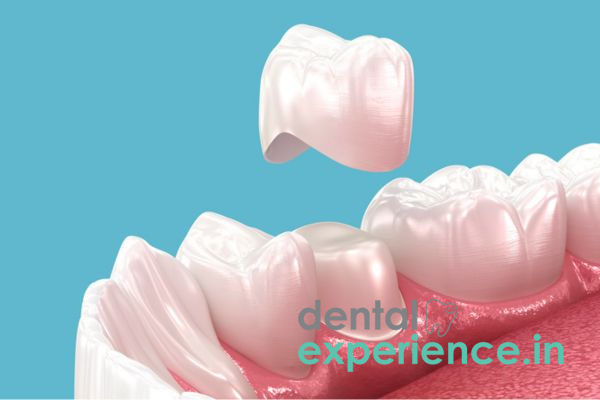
5 Signs You Need a Dental crown Dental crowns are a common restorative solution in dentistry,…
1.Brush Gently Vigorous brushing won’t make your teeth any cleaner, but it can increase…
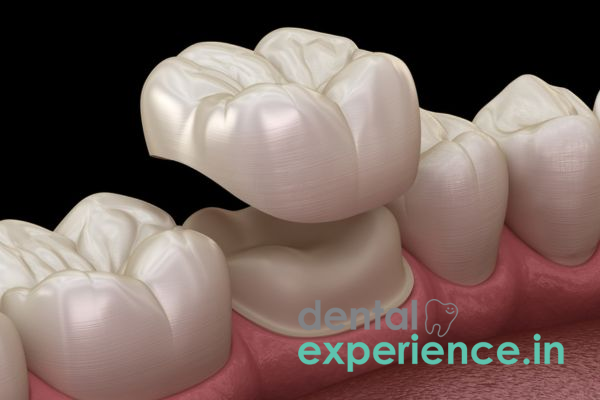
You may have had a dental crown fitted in the past but what you may not know is whatever material…



.jpg)
.jpg)
.jpg)
.jpg)
.jpg)
.jpg)
.jpg)
.jpg)
.jpg)
.jpg)
.jpg)
.jpg)