 Treatment
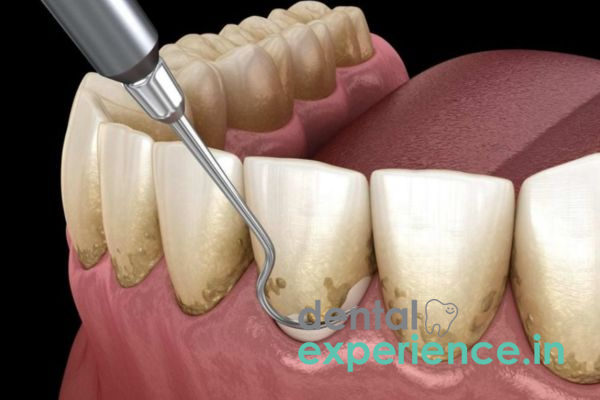
A deep teeth cleaning can remove a buildup of plaque and tartar on your teeth, reducing gum inflammation and improving gum health. Plaque is a sticky film that forms on teeth. It contains bacteria and develops when food particles mix with saliva. You can remove plaque, which collects on teeth daily, by brushing your teeth.
Scaling and root planing, or deep cleaning, is a non-surgical periodontal procedure used to clean below the gum line by removing plaque, tartar, and bacterial toxins. This procedure not only enhances the improvement of gum health but also inhibits the advance of gum disease. Deep cleaning is essential in saving dental health and preventing tooth loss, as it reaches not just the surfaces of the teeth that can be seen but also all the areas around the roots.
Deep cleaning aims to cure and prevent periodontal disorders such as gingivitis and periodontitis, which can lead to severe oral issues if not treated promptly. This procedure improves oral health by cleansing the roots and surrounding tissues, reducing inflammation, minimizing spaces between teeth and gums, and preventing infection.
Deep cleaning is especially beneficial for those with:
There are two ways to deep clean:
The deep cleaning process typically follows these steps:
The benefits of deep cleaning go beyond just an improvement in your oral hygiene:
Deep cleaning is a minimally invasive procedure with some advantages over more aggressive therapies:
When used in combination with proper dental hygiene and frequent dental appointments, the results of deep cleaning can last a long time. Although the process itself provides an instant remedy for periodontal problems, retaining all work done requires a conscientious dental care routine at home and regular professional cleanings. Typically, with meticulous care and attention, the effects of scaling and root planing can be maintained for months to years, with a delay in the requirement of any invasive surgical procedures.
Generally, a deep cleaning is about 1 to 2 hours in one quadrant of the mouth. For patients needing treatment in many locations, the procedure may be divided over several visits. How long it takes depends on how severe the periodontal disease is and how much plaque is involved. Once you’ve done the procedure, yes, there will be some sensitivity, but recovery time is generally short and you can get back to normal activities relatively quickly.
Deep cleaning costs are determined by a number of factors including the severity of the condition, geographic location and the reputation of the clinic. The cost varies significantly, ranging from INR 2,000 to INR 10,000 per session on average. Severe cases that need surgery could have a bigger cost. It is important to note that it is always better to visit a dental professional to get a personalized estimate based on specific needs and conditions.
Deep cleaning is generally safe, but there are a few risks and potential complications to look out for:
These benefits aside, deep cleaning does have some drawbacks:
For patients interested in alternatives for managing periodontal health, deep cleaning has several alternatives:
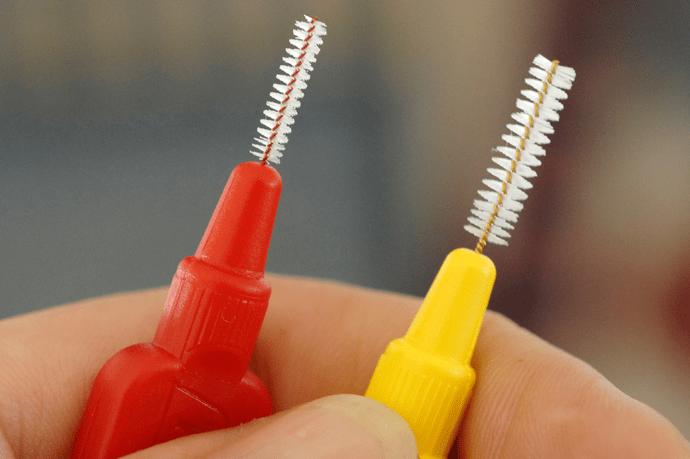
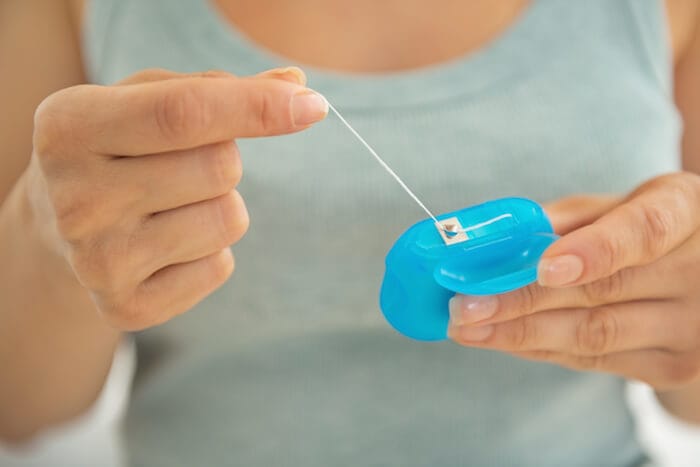
Home care following deep cleaning is important for maintaining long-term results:






.jpg)
.jpg)
.jpg)
.jpg)
.jpg)
.jpg)
.jpg)
.jpg)
.jpg)
.jpg)
.jpg)
.jpg)