 Treatment
Emergency Tooth Replantation – Avulsed Tooth Treatment
A knocked-out (avulsed) tooth needs immediate care. Our emergency dental team specializes in replanting teeth, restoring them quickly and effectively. Prompt treatment—ideally within 30–60 minutes—greatly improves the chance of saving your natural tooth.
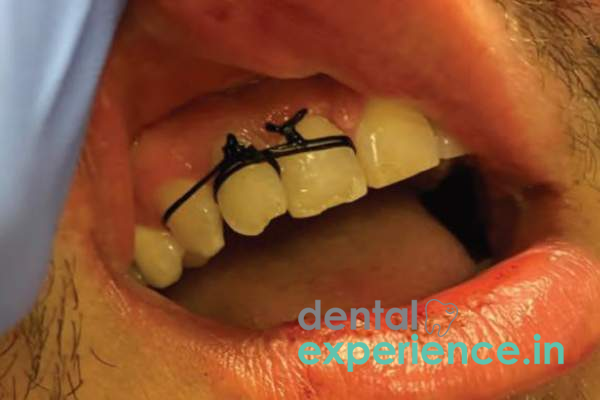
Emergency management of tooth trauma—in particular, the replantation of a tooth that has been knocked out of its socket (avulsed)—is a time-sensitive dental treatment indicated when a permanent tooth has been completely avulsed from its socket due to trauma (i.e. it is completely knocked out). This is an important procedure that is often done in children and young adolescents from sports injuries and falls. The term replantation describes the reinsertion of a tooth into its original position in the jaw (socket) and stabilization of that tooth to facilitate reintegration of the supporting structures.
The major goal of replantation of an avulsed tooth is to replace the child’s natural tooth to restore function in the oral cavity. Timely management of this treatment will:
Further, replacing the natural tooth maintains proper physiologic bone development in the area, which is vital in growing children.
The treatment is intended for children or adolescents who have endured traumatic dental avulsion involving their permanent dentition. In general, children in the following categories should be offered treatment:
Replantation treatments are not recommended for primary (milk teeth) teeth due to the risk of damage to the developing permanent tooth germ beneath.
The approach to replantation is based on the state of the tooth and surrounding tissues:
The replantation procedure includes:
The longevity of a replanted tooth will depend on several factors including:
If properly managed and followed up with the dentist regularly, a replanted tooth may last several years, possibly into adulthood. Though, in some instances, it could eventually be lost due to root resorption or trauma.
The actual procedure of replantation takes about 30 to 60 minutes, which includes cleaning, replantation and splinting. Though, the overall treatment timelines may encompass weeks to months depending on follow up visits, vitality tests, and possible endodontic treatment. Generally, the healing process is short, and children can go back to their normal activities in a couple of days, but the precautions involve avoiding contact sports or hard foods until the splinting is concluded.
In India, emergency replantation of the avulsed teeth costs approximately ₹2,000 to ₹10,000, depending upon the:
In the government hospital set-ups or dental colleges it may be less costly, or even free.
Replantation is fairly successful, but complications can occur:
Timely care and follow-up will mitigate most of the risks.
There are also disadvantages, even with the benefits:
When replantation may not be possible; the choices include:
Each option has advantages and disadvantages and needs to be discussed in light of the child's age and oral condition.
The care after treatment is also very important to have a good outcome of a replantation:
Identifying and managing any issues early on will greatly improve the overall long-term outcome.







.jpg)
.jpg)
.jpg)
.jpg)
.jpg)
.jpg)
.jpg)
.jpg)
.jpg)
.jpg)
.jpg)
.jpg)