In the vast scope of Clinical Dentistry, all dental abnormalities are categorized based on structural, volumetric, and morphologic changes. A fractured tooth represents a type of structural damage to the tooth that is classified as a problem concerning size and shape. Unlike metabolic or developmental conditions that produce a change in the tooth's morphology during its development, most forms of structural damage occur through acute mechanical stress from outside sources, or through progressive mechanical fatigue from inside the tooth. As with many aspects of dentistry, understanding how to effectively deal with structurally damaged teeth will allow you to maintain long term oral architecture, since minor cracks in the teeth have the ability to affect the position, fit, and systemic health of the entire dental arch.
Core Issue: Damage to the structural integrity of the enamel, dentin or root canal system.
Primary Indicators: Sharp pain in the teeth when biting down; sharp sensitivity to extreme temperatures; visible loss of structural parts of the tooth.
Urgency: Seek immediate clinical attention if you are experiencing severe localized swelling; uncontrolled bleeding; or if your tooth has been completely divided.
Primary Treatment Path: Includes anything from non-invasive composite bonding and protective dental crowns to complex root canal treatments (RCT), or removal and replacement with a dental implant.
Identifying fractured tooth symptoms is crucial for preventing further deterioration to the internal structural components of the tooth. Since a fracture in a tooth causes unequal distribution of forces during mastication, symptoms tend to be episodic rather than constant.
Pain Upon Biting Down: Pain caused by biting down and releasing is a common symptom of a cracked tooth.
Sensitivity to Temperature Extremes: Pain caused by drinking hot beverages and/or eating icy foods indicates that the enamel covering overlying dentin has separated thereby exposing dentin tubules.
Local Swelling: Swelling of the marginal gingiva around the tooth.
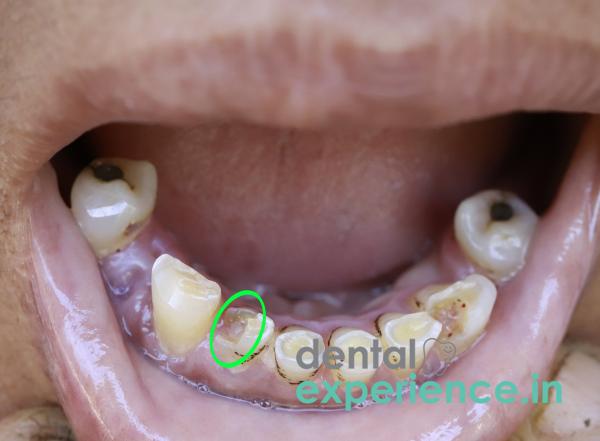
Visible Cracking Lines/Edges/Rough Surfaces: Craze lines, rough edges felt by the tongue, and visible structural loss, where part of the crown has separated.
Some factors indicate that the fractured tooth may pose a serious threat to your overall well-being. You should seek urgent clinical attention immediately if your fractured tooth is accompanied by a high fever; throbbing pain that radiates from the face to other areas including but not limited to the jawbone, ear or neck; or if you see a soft red mass protruding from the middle of a crack in your tooth indicating direct contact of the pulp.
Additionally, difficulty breathing or swallowing due to rapidly growing swelling in either the submandibular or facial regions suggests an active spread of an odontogenic infection that needs immediate therapeutic intervention.
There are numerous etiologies of fractured teeth ranging from acute traumatic injury and chronic fatigue.
Acute Masticatory Forces: Repeatedly chomping on hard objects such as ice cubes, unpopped corn kernels, and/or hard candies produces enough force so as to exceed the elastic modulus of human dentin.
Parafunctional Habits: Repeatedly clenching or grinding the jaws during sleep creates excessive lateral forces against the posterior teeth creating fatigue.
Structural Weaknesses: Large amalgams or substantial undermining carious lesions compromise support to weakened remaining structures making them susceptible to cracking under routine functional stresses.
Physical Injury: Acute physical injury to the mouth resulting from vehicle accidents, sports injuries, etc., results in crown/root fractures that are usually obvious or complications depending on severity.
Age: Older individuals have drier roots that result in decreased tensile strength of dentin. Young adults possess stronger muscles of mastication placing greater masticatory forces upon their teeth.Posterior edentulous patients place additional stresses on the remaining anterior teeth and increase fatigue to those teeth.
Previous Endodontics: Teeth subjected to previous endodontic therapy are more susceptible to fracture primarily due to the loss of structural tooth architecture during access preparation and decay removal. Without the structural support of the pulp chamber roof and marginal ridges, these teeth require full-coverage crowns to distribute masticatory forces safely.
Although formal diagnoses require a clinical examination, some preliminary assessments can be made prior to visiting a doctor regarding dental pain issues that could be related to structural damage.
If you regularly experience sharp pains when eating hard traditional Kerala snacks (e.g., chips/murukku) and this occurs only when you release pressure when biting down; then use your tongue to feel along the buccal and lingual surfaces of the affected tooth looking for sharp grooves or fragments.
You can also shine a light through your teeth in a mirror (transillumination); if the light blocks at a specific line and the half of the tooth closest to the light glows while the other half stays dark, it indicates a structural crack.
Definitive diagnosis is necessary and must be evaluated by a trained professional in a clinical setting. Dentists use a systematic sequence of diagnostic tests to isolate cracks hidden beneath surface irregularities:
Surface Evaluation & Transillumination: Using magnified loupes and powerful fiber optic lights clinicians examine surface irregularities.
Exploration & Staining: By probing for cracks with a sharp dental instrument, and staining with methylene blue dye, clinicians are able to trace pathways of crack formation through the tooth structure.
Bite Test: Using a diagnostic device called a Tooth Slooth clinicians are able to test each cusp individually and confirm the location of structural failure at release of bite.
Radiographic Analysis: Clinicians use digital periapicals combined with high-resolution Cone Beam Computed Tomography (CBCT). While standard x-rays and CBCT cannot always visualize early, microscopic coronal cracks, CBCT is invaluable for detecting deep vertical root fractures, measuring localized mid-root bone loss, and analyzing periapical tissue health.
Dental fractures can be categorized solely by their depth of involvement and thus dictate their potential for successful treatment:
Craze Line --> Surface enamel microcrack - Cosmetic only.
Fractured Cusp --> The crack weakens or breaks off an isolated cusp of a posterior tooth, terminating near or slightly below the gumline — Highly restorable.
Cracked Tooth --> Incomplete vertical crack originating in crown - Guarded prognosis.
Split Tooth --> Complete separation of segments — Rarely restorable
Vertical Root Fracture --> Originates in canal system — Extraction needed.
An incomplete coronal crack extending through marginal ridges carries a guarded prognosis whereas vertical root fractures running apically through the periodontal ligament space almost always carry a poor prognosis and render the tooth non-restorable.
Resolution of a structurally damaged tooth entails providing unique interventions tailored towards stabilizing the compromised anatomy and restoring natural size and shape.
Minor superficial cracks in enamel can be treated simply by lightly polishing/smoothing or applying direct composite bonding with modern dental resins.
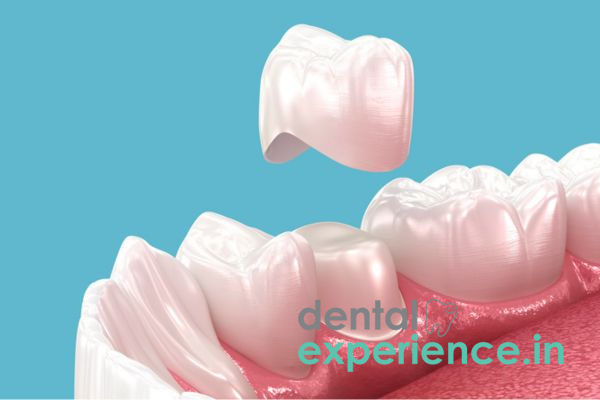
Once a crack reaches into the dentin beyond merely superficial enamel, a full coverage crown must be placed on top of the damaged segments to lock them into place preventing further damages.
Once an irreversible pulpal reaction occurs as evidenced by irreversible pulpitis via a crack entering into the pulp chamber, a complete root canal treatment (RCT) must be done prior to sealing and crowning the tooth.
The cost of obtaining treatment for a fractured tooth in Kerala is dependent upon both the method used and materials selected to provide your treatment.
Composite resin bonded for small chips typically run between Rs 1200-Rs 3500.
Protective crowns will add another Rs 4000 minimum for standard PFM metal-ceramic crowns upwards of Rs 15000+ for premium CAD/CAM Zirconia/E-max Crowns.
Rehabilitation costs for root canal treatments + protective crowns can range anywhere from Rs 8000 up to Rs 25000 depending upon your local private dentist’s fee schedule.
A general dentist may treat uncomplicated fractures into enamel; however, more involved structural damage would best be managed with input from one or more specialized dental practitioners:
Endodontists: They are responsible for treating interior pulp and root systems. They are experts at identifying cracked tooth syndrome and performing micro-surgery to save structurally damaged teeth.
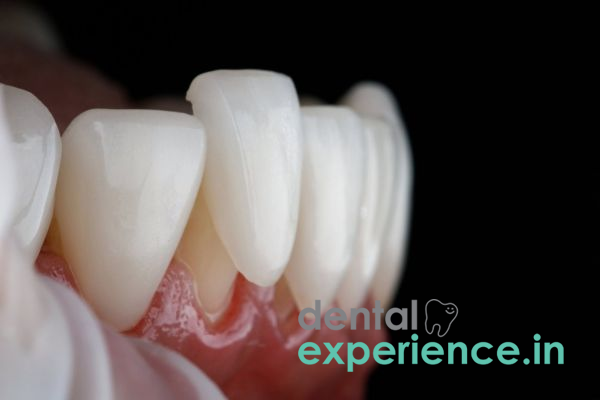
Prosthodontists: They specialize in designing strong durable dental veneers/onlays/crowns needed to restore optimal shape/size/bite function.
Oral & Maxillofacial Surgeons: If an existing vertical fracture makes restoration impossible, these surgeons will perform an atraumatic extraction followed by placement of advanced dental implants into empty sockets of alveolar bone.
You should see an emergency dentist within a few hours if you see bleeding inside the tooth or if you are in severe pain. Getting help fast is important. If you wait to fix a cracked tooth, bacteria can easily get inside it. This can turn a simple, easy-to-fix break into a serious infection that could cause you to lose the tooth completely and require expensive treatments later on.
Does a fractured tooth ever "heal" on its own?
Unlike our bones, teeth have no blood vessels nor cells capable of regeneration of their hard tissue components. The structural crack will never self-heal or close itself; it needs professional assistance to prevent further damage.
What can a dentist do when he finds a severely fractured tooth with a split occurring below the gumline?
If the fractured cusp only goes a little bit below the gumline, the dentist may be able to perform some minimal crown lengthening surgery or orthodontic extrusions to allow him to reach some healthy tooth structure to properly seat a protective dental crown.
Will I need to see my dentist right away if I find out my fractured tooth is cracked but am not experiencing any pain?
Yes. Asymptomatic cracks may continue to serve as an open pathway for bacteria to slowly make their way into the root canal system, which could result in sudden death of the nerve inside the tooth (pulp necrosis) or acute abscess without warning.
For any persistent symptoms or suspected structural damage, always schedule a comprehensive clinical examination with a licensed, certified dental professional in your area to secure a personalized diagnostic and treatment plan.









.jpg)
.jpg)
.jpg)
.jpg)

.jpg)
.jpg)
.jpg)
.jpg)
.jpg)
.jpg)
.jpg)
.jpg)