loader

Periodontal Flap Surgery

Home› Treatments› Periodontal Flap Surgery
Periodontal Flap Surgery Treatment
Watch Video
Authored by Dr. Sreeja Aravind
Reviewed by Dr. Seby Varghese

Fast Facts

99% say it's "Worth It"
5,000 – 50,000 per quadrant
Longevity: The surgery provides long-term benefits
Duration: Surgery Time: 45 minutes – 2 hours, Healing Period: 2 – 4 weeks for initial healing, complete recovery in 3 – 6 months

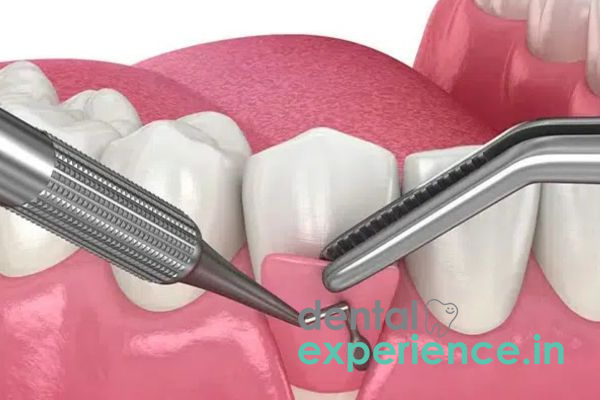
Periodontal Flap Surgery is a dental procedure used to treat advanced gum disease (periodontitis). It involves lifting the gum tissue (flap) to clean deep pockets of bacteria, plaque, and tartar around the teeth and bone. The gums are then repositioned and sutured to promote healing and prevent further gum recession. This procedure helps in reducing inflammation, stopping bone loss, and improving oral health.

Ask Your Question
Share this page
What is Periodontal Flap Surgery?

Gum surgery, or periodontal flap surgery is a common dental procedure to treat gum disease (periodontitis) and restore oral health. The procedure gently lifts the gums away from the teeth, allowing them to remove tartar and diseased tissue from below the gum line, and thus clean the tooth roots. The success rate of this way of treatment, it's effective, it's fast-paced, and it's reliable.

Why Is It Needed?

The main aim of periodontal flap surgery is to treat deep periodontal pockets by removing the infection and minimize the inflammation. This process removes the bacteria that have built up and allows for the healthy gum tissues to re-attach to the tooth surfaces, leading to healthier teeth in the long run and a better foundation for replacement teeth or restorations.

Who should consider Periodontal Flap Surgery?

This treatment is ideal for:

  • Those who suffer moderate to severe gum disease.
  • Deep periodontal pockets (typically greater than 5 mm).
  • Patients with evidence of bone loss around their teeth.
  • Those who want to stop periodontal disease from advancing.

What are the Different Types?

The periodontal flap surgery is customized based on every individual patient. The main types are the following:

  • Full-Thickness Flap Surgery: the flap is raised in full thickness, down to the underlying bone. This makes it easy to access the root surfaces so they can be cleaned properly.
  • Partial-Thickness Flap Surgery: The surgeon only removes some gum tissue and preserves some connective tissue, which may promote faster healing.
  • Innovative Flap Techniques: Such as less invasive methods, intended to diminish patient pain and hasten healing period.

What are the treatment steps?

Periodic flap surgery procedure:

  • Pre-Surgical Assessment: A comprehensive dental examination is performed, including x-rays and periodontal probing, to determine the extent of the disease.
  • Anesthesia: The surgeon administers a local anesthesia for a pain-free experience.
  • Incision and Flap Creation: The gum tissue is incised, and the flap is carefully raised to visualize the underlying bone and tooth roots.
  • Debridement: The exposed areas are carefully cleaned, removing plaque, tartar and any necrotic tissue.
  • Polishing of Root Surfaces: The root surfaces are polished to remove any roughness that might harbor bacteria.
  • Flap Repositioning: The cleaning is followed by repositioning and suturing of the gum tissue to encourage proper healing.
  • Aftercare: The instructions given after surgery for the patient's recovery include guidelines to avoid infections.

What are the benefits?

  • Effective Infection Control: Thorough cleaning of the pocket can be performed under anesthesia using surgical scraping.
  • Gum Reattachment: The methodology enables the gums to adhere back to the tooth surface, assuring periodontal stability.
  • Prevention of Future Tooth Loss: Early treatment prevents the loss of additional teeth in the future.
  • Improved Oral Hygiene: Patients are able to maintain daily oral care with less pockets and healthier tissue.
  • Decreased Inflammatory Response: Eliminating the factors of chronic inflammation leads to better oral and systemic health.

Why is it better than alternative treatments?

There are multiple reasons for periodontal flap surgery being different of all other periodontal treatments. With this technique, thorough debridement and direct access to the inflamed root surfaces is achieved.

  • Personalized Approach: The surgery can be customized according to the specific periodontal status of the patient.
  • Speedier Recovery: When used alongside updated techniques and minimally invasive methods, it frequently causes a shorter recovery time than other surgical techniques.
  • Lower Chance of Recurrence: This procedure decreases the risk of the disease returning by eliminating the infection source.
  • Cost-Effective: Surgical treatment can often save you from more complicated and expensive dental treatment in the future.

How long will the results last?

Typically, the outcomes of periodontal flap surgery can be long-lasting as patients practice required oral hygiene habits and go for regular visits to the dentist. Individual results may vary but many patients have years of enhanced periodontal stability.

How long does the procedure take?

The procedure itself usually takes 45 minutes to 1.5 hours. The recovery time is also recovery time varies, but most patients are able to return to their normal activities in a few days.

What is the cost of Periodontal Surgery cost in India?

Within India, periodontal flap surgery costs around INR 8,000 to INR 25,000 depending on the extent of the case, its location and doctor of repute.

What are the Risks and Complications?

Potential risks include:

  • Infection: Although uncommon, a lack of aftercare can cause post-surgery infections.
  • Bleeding: A little blood is expected during and right after the procedure.
  • Swelling and Discomfort: Some swelling and discomfort is very normal and usually subsides within a couple of days.
  • Gum Recession: Occasionally, the gum tissue recedes after surgery, which is usually managed with appropriate follow-up care.

What are the Disadvantages?

Periodontal flap surgery is a very effective approach however not without limitations. Here are some possible drawbacks:

  • Temporary Discomfort: The patient might experience pain and swelling in the days after the procedure.
  • Recovery Process: Cleanliness needs to be done meticulously, and follow-up appointments are needed which can be inconvenient for some.
  • Surgical Risks: Although the risks are minimal, it is still a possibility that you have complication such as infection or gum recession.
  • Cost Considerations: Though usually cost-effective over time, some patients may be discouraged by the initial price.

What are the Alternatives?

  • Scaling and Root Planing: A deep cleaning procedure to clean the surroundings of the tooth and treat early-stage gum disease.
  • Antibiotic Medication: Alongside mechanical cleaning, antibiotics may assist in managing bacterial infections.

What to do After the Treatment?

The post-operative care is what makes or breaks a successful outcome with periodontal flap surgery. Some aftercare tips and recommendations include: 

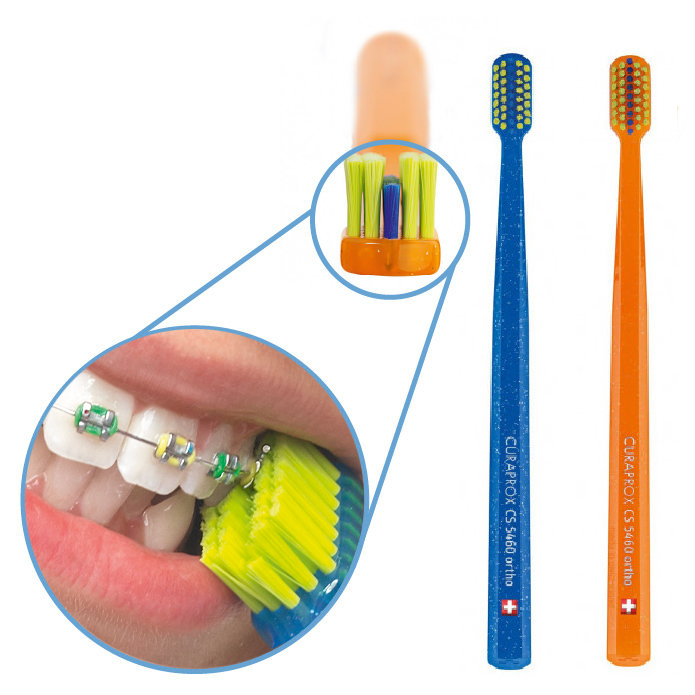
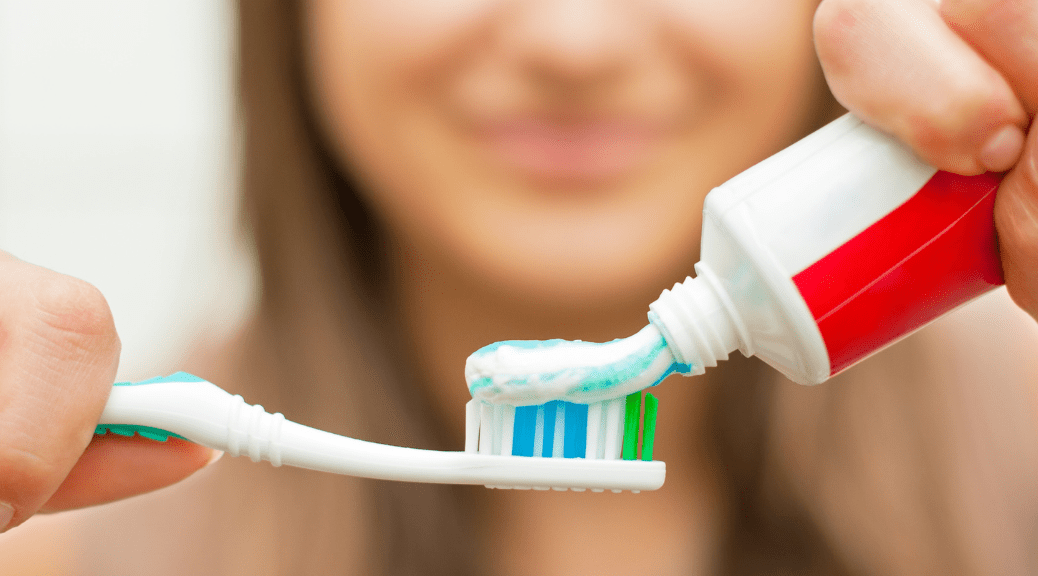
  • Oral Hygiene: Use a soft-bristle toothbrush and gentle mouthwash to clean the surgery site.
  • Dietary Modifications: Avoid the hard or spicy foods that can irritate the gums; for the first few days of recovery, stick to softer, bland foods.
  • Medications: Prescribed antibiotics or pain relievers help reduce discomfort and prevent infection.
  • Routine Follow Up Visits: Regularly visit your doctor to keep track of your recovery and allay any worries at the earliest.
  • Avoiding Tobacco and Alcohol: These substances can slow down the healing process and hinder well-being.

Our Store

Call Us Make an Appointment