loader

Sinus Lift Surgery

Home› Treatments› Sinus Lift Surgery
Sinus Lift Surgery Treatment
Authored by Dr. Sreeja Aravind
Reviewed by Dr. Seby Varghese

Fast Facts

99% say it's "Worth It"
30000/- to 200000/-
Longevity: The results of a?sinus lift procedure are permanent with appropriate care.
Duration: The surgery usually lasts1-2 hours. Healing period prior to implant placement is generally 4–9 months depending on the bone integration.

Sinus lift surgery is a specialized procedure that adds bone to the upper jaw in the molar and premolar area, creating a strong foundation for dental implants. Ideal for patients with bone loss or low sinus position, this safe and effective treatment increases implant success rates and supports long-term oral health.

Problems Treated with Sinus Lift Surgery

Ask Your Question
Share this page
What is Sinus Lift Surgery?

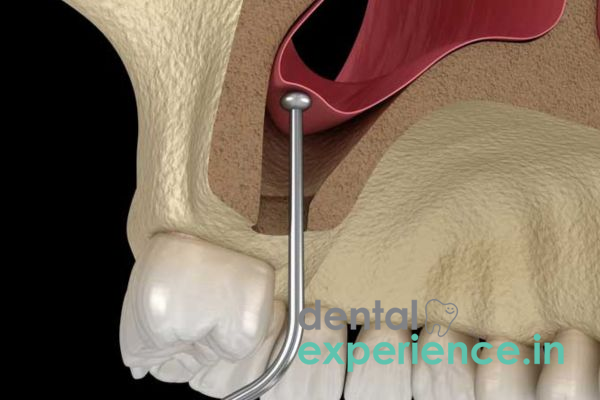
Sinus lift surgery is a special kind of dental surgery which enhances the bone structure in your upper jaw. This technique is applied globally to increase the vertical bone height of the region of the maxillary sinus to allow the positioning of dental implants. This process has gained more and more significance in contemporary dentistry, especially for people with bone loss that leads to the absence of support for teeth in the upper jaw.

Why Is It Needed?

Sinus lift surgery is performed to create sufficient bone volume for dental implants when the back of the upper jaw (maxilla) lacks bone density. Over time the maxillary sinuses above the molars and premolars continue to expand, decreasing the bone. By elevating the sinus membrane and placing bone graft material underneath it, dentists provide for a strong and durable base for implant placement, thereby ensuring a higher success rate long term.

Who should consider Sinus Lifting?

Patients that can benefit from sinus lift surgery include those who:

  • Suffer from inadequate vertical bone in the maxillary or upper jaw for dental implants.
  • Have experienced bone loss from tooth extraction, aging, or periodontal disease.
  • Need dental implants in the posterior maxilla but have insufficient bone support.
  • Have naturally large sinuses that intrude upon the implant site.
  • Seeking to regain full functionality in the mouth with stable, lasting implants.

What are the different types of Sinus Lifting?

Sinus lift surgery has two main techniques:

  • Lateral Window Technique (Direct Sinus Lift): A small incision is made on the lateral aspect of the maxillary sinus, the membrane is elevated, and bone graft material is placed. This approach is reserved for large bone defects.
  • Osteotome Technique (Indirect Sinus Lift): Carried out using the implant site, this minimally invasive technique is ideal where only limited bone augmentation is needed.

How is Sinus Lifting done?

The main steps of the sinus lift procedure are as follows:

  • Preoperative Evaluation: In-depth evaluation, including X-rays or CT, that establishes bone density and sinus anatomy.
  • Sedation: Local or sedation anesthesia is provided for patient comfort.
  • Sinus Membrane Elevation: An incision is made in the gum tissue, and a minor access point is used to elevate the sinus membrane.
  • Bone Grafting: Bone graft is placed under the membrane in the space.
  • Recovery: Sutures are given for faster healing.
  • Healing and Implant Placement: After 4–9 months, the graft and the jawbone integrate and the implant can be placed.

What are the benefits of Sinus Lifting?

Sinus lift surgery has several benefits, such as:

  • Facilitating the placement of successful dental implants.
  • Reestablishing facial structure by preventing bone resorption.
  • Enhancing oral function such as chewing efficiency.
  • Improve the long-term implant stability and success.

Why Sinus Lifting is better than alternatives?

Compared to alternative bone augmentation techniques, sinus lift surgery provides:

  • A classic and efficient remedy for extreme bone damage.
  • Minimally invasive, with high success rates.
  • Improvements in jawbone strength and density long-term.

How durable are the results of sinus lift surgery?

The results of a sinus lift procedure are permanent with appropriate care. After integration of the bone graft, it provides a stable base for dental implants, allowing for decades of functionality.

What is the length of the Sinus Lifting procedure?

The surgery usually lasts 1-2 hours. Healing period prior to implant placement is generally 4–9 months depending on the bone integration.

How much does Sinus Lifting Surgery cost?

The cost depends on several factors including location of the dental clinic, experience of the surgeon, and the type of grafting material used. On an average, it varies between ₹30,000 and ₹2,00,000 or more, excluding the cost of implants.

What are the risks and complications of Sinus Lifting Surgery?

However, sinus lift surgery is a very safe procedure, it does come with some risks such as:

  • Sinus membrane perforation: The most common complication, which can sometimes need repair.
  • Infection: this risk is minimal with proper post-operative care.
  • Graft failure: This is rare, but can happen if the bone unsuccessfully integrates.
  • Swelling and discomfort: normal postoperative sequelae that improve over 3 to 5 days.

What are the downsides of Sinus Lifting Surgery?

Some disadvantages of sinus lift surgery are:

  • Long healing period before implant placement.
  • May require more procedures if complications occur.

What are the alternative options?

Options for patients unable to undergo sinus lift surgery include:

  • Zygomatic Implants: Specialty longer implants that anchored in the cheekbone.
  • Short Implants: Used in moderate bone loss.
  • Ridge Augmentation: Another type of bone graft procedure.

How to care after the Sinus Lifting Surgery?

Appropriate aftercare facilitates successful healing and integration of the graft:

  • Try not to blow your nose or sneeze forcefully to minimize sinus pressure.
  • Follow the prescribed medications to avoid infection and relieve discomfort.
  • Eat soft foods; avoid hot, spicy or hard foods.
  • Avoid smoking and consuming alcohol so that you can heal.
  • Follow-up visits.

Our Store

Call Us Make an Appointment