loader

Teeth Gap Closure

Home› Treatments› Teeth Gap Closure
Teeth Gap Closure Treatment
Watch Video
Reviewed by Dr. Seby Varghese

Fast Facts

99% say it's "Worth It"
5000/- to 150000/-
Longevity: The life span will increase with regular dental checkups, healthy oral hygiene practices and good habits.
Duration: 1. Dental Bonding: completed in 1 visit (generally no more than 30 min to 1 hour per tooth). 2. Braces/Aligners: varies between 6 months to 2 years, based on the degree of the gap. 3. Veneers: generally completed in 2-3 appointments within a time frame of

Teeth Gap Closure
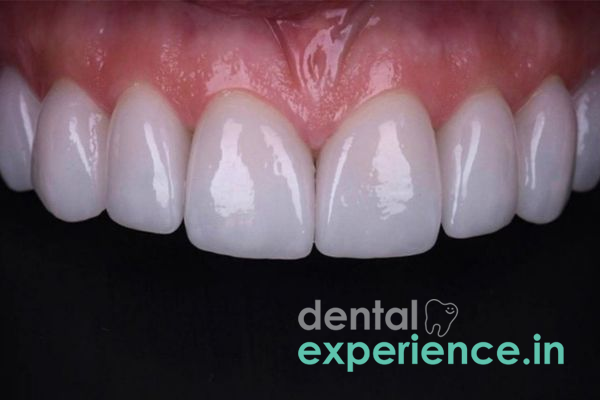
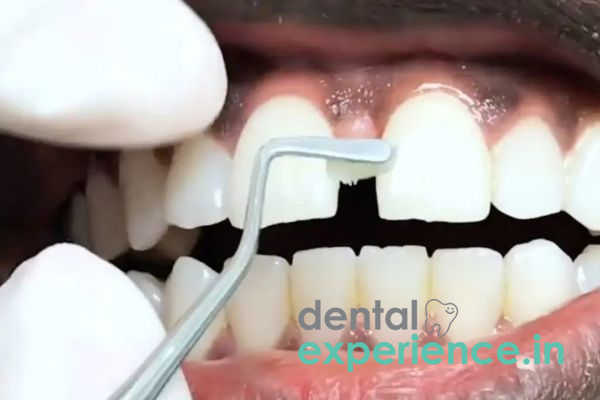
Teeth gap closure in Kerala is a popular cosmetic dental procedure designed to close spaces between teeth, most commonly the front teeth. Depending on individual needs, the treatment can be achieved using dental bonding, veneers, braces, or clear aligners. As part of cosmetic dentistry for teeth gap closure in Kerala, this procedure not only enhances the appearance of your smile but also improves its function, giving you a more even, natural, and confident look.

Ask Your Question
Share this page
What is Teeth Gap Closure?

Teeth gap closure refers to a variety of dental procedures aimed to close a gap or space between the teeth, usually between the two upper front teeth (referred to as diastema). Gap can be a matter of aesthetics to some and to improvement in oral function, speech, and appearing smile, to others. Dentistry today offers a variety of effective and safe techniques to close a gap, so the outcome can often look seamless and very natural, which is why teeth gap closure is one of the most sought after cosmetic dental procedures today.

Why is it needed?

Teeth gap closure can mean different things to different people. Cosmetic reasons are often the most common reasoning, as many people look for gap closure procedures just to improve the symmetry and overall attractiveness of their smile. Functionally, large gaps can create speaking problems, food impaction, poor hygiene retention, maintenance, and for some patients, problems with their bite. Closing the gap can also aid in preventing gum disease, help to align the bite causing less problems than the gaps potentially cause, and improve the patient’s confidence and self-esteem.

Who would consider teeth gap closure?

Teeth gap closure can be a consideration for:

  • Someone with a gap (diastema) that is natural.
  • A patient with spacing in the mouth because of missing teeth, small teeth, or teeth erupt inappropriately.
  • A patient with large spacing that creates speech difficulties or lisp.
  • Someone looking for a cosmetic improvement of a more consistent and uniform smile.
  • Patients with gaps that can occur as a result of gum disease (following treatment of periodontal disease).

The dentist will assess the cause of the gap before recommending a suitable treatment choice if it is relevant.

What are the different types of teeth gap closure procedures?

Depending on your needs and the size of your gap, there are several options for teeth gap treatment.

  • Dental Bonding for Teeth Gaps: Composite resin is used to fill in and close gaps.
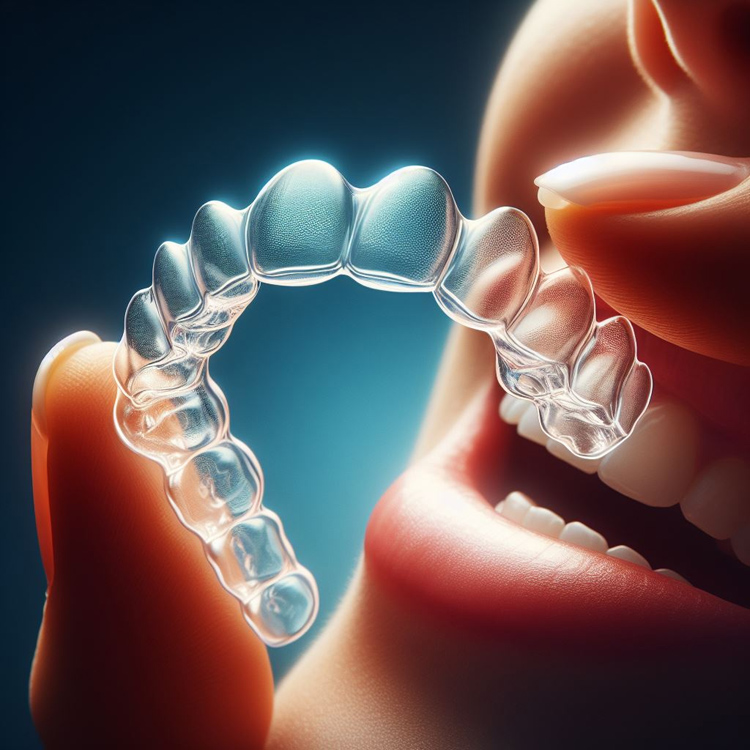
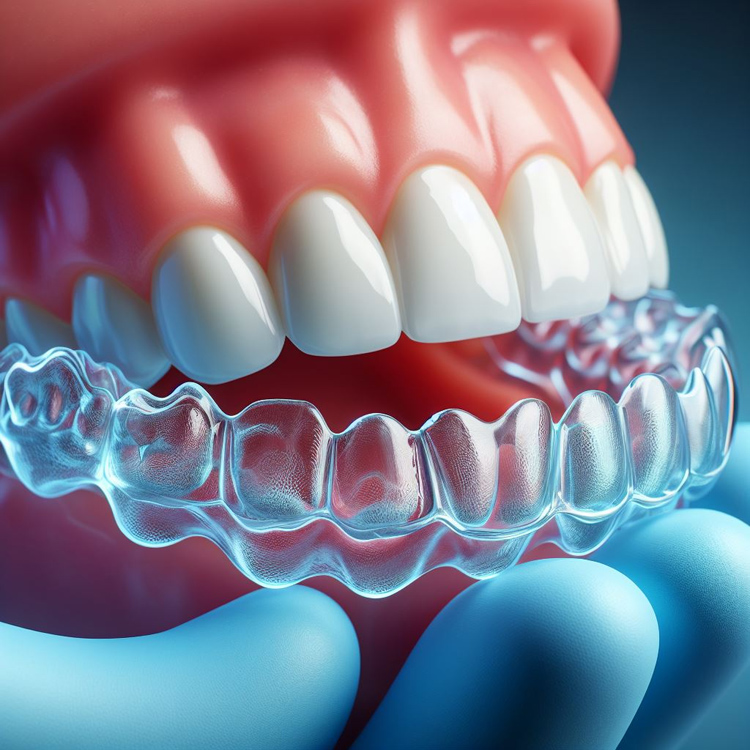
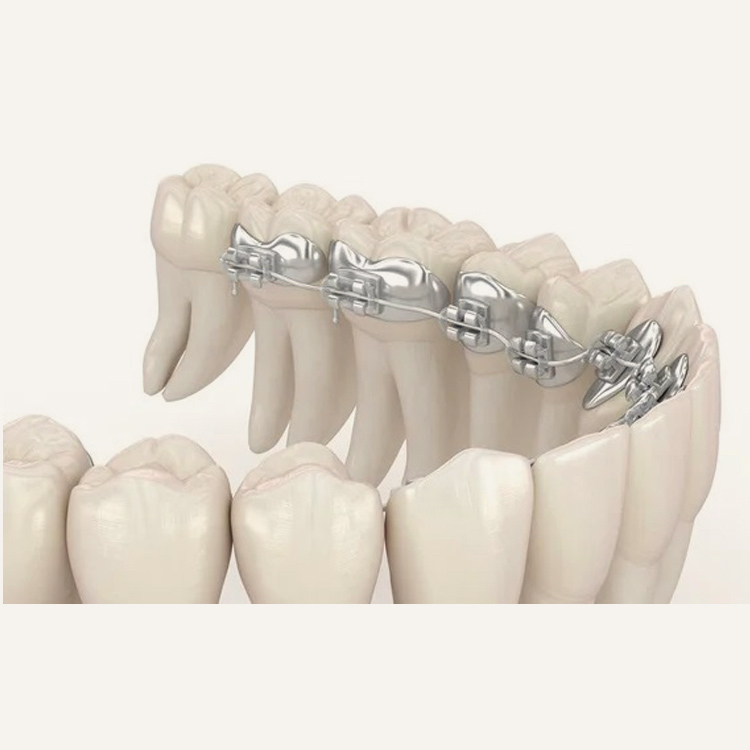
  • Braces for Teeth Gap: Traditional metal braces, or clear aligners, mechanically move your teeth closer together over time.
  • Veneers for Teeth Gap: Thin porcelain or composite shells are placed over the teeth covering gaps.
  • Dental Crowns: When your gap is accompanied by damaged or compromised tooth structure, dental crowns may be considered.
  • Frenectomy: A minor surgical treatment performed to remove a thick labial frenum that is causing a gap between front teeth.

The treatment will vary depending on the underlying cause, size of the gap, patient preferences, and overall oral health.

How is teeth gap closure done?

The treatment approach will vary based on how your gaps are being treated:

  1. Initial Consultation and Diagnosis: A complete oral exam, including possible x-rays will be completed.
  2. Treatment Planning: Choosing the best procedure based on patient specific considerations.
  3. Procedure Execution:

●     Bonding: The teeth are prepared by slightly roughing them and then the composite resin is applied and sculpted for the bonding process.

●     Braces/Aligner: Braces or aligners are custom fabricated, worn to move teeth closer together.

●     Veneers/Crowns: Teeth will be minimally prepared, impressions taken, and custom restorations cemented and finished.

●     Frenectomy: Performed with a laser or scalpel using local anesthetic if needed.

               4. Aftercare: There will also be appropriate follow-up visits after the procedure to ensure the healing and healing times were as expected, as well as                         achieving the thus desired results.

What are the benefits of teeth gap closure?

There are many benefits of teeth gap closure:

  • Improved aesthetic appearance for the smile, and more harmonious facial aesthetics.
  • Improved clarity of speech.
  • Less food trapping, and plaque accumulation.
  • Improved bite and function.
  • Improved confidence, and associated emotional well-being.


Why is teeth gap closure better than other options?

There are modern methods that are minimally invasive—such as dental bonding and veneers—that get you instant and natural-looking results, without the lengthy, complicated process of orthodontics. The latest dental materials are strong, esthetically pleasing and not as uncomfortable as older means of correction.

How long does teeth gap closure results last?

  • Dental bonding: 4-8 years depending on maintenance/upkeep.
  • Veneers: 10-15 years or longer depending on care/maintenance.
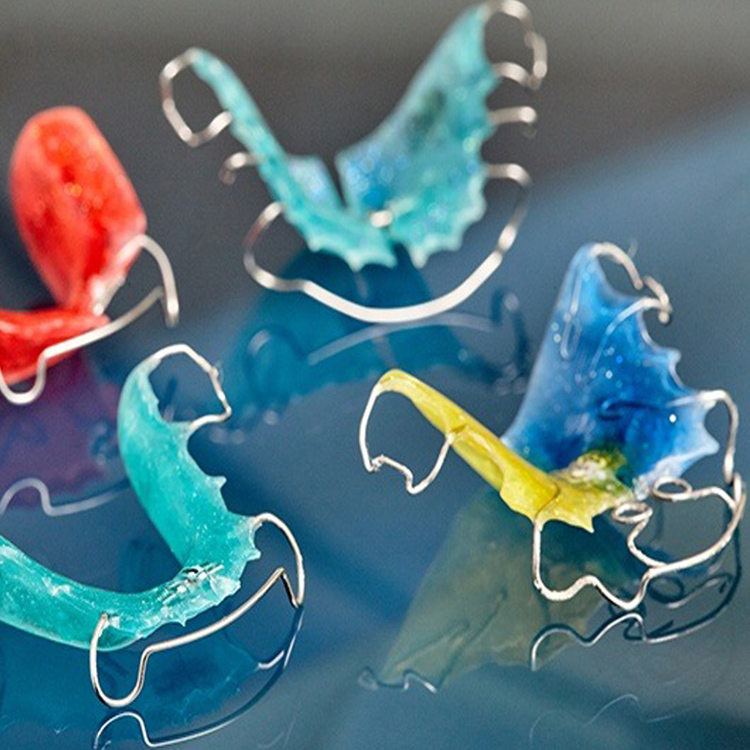
  • Braces or aligners: permanent, as long as retainers are worn after.
  • Frenectomy with orthodontics: also permanent if done correctly.
  • The life span will increase with regular dental checkups, healthy oral hygiene practices and good habits.

How long does treatment take?

  • Dental Bonding: completed in 1 visit (generally no more than 30 min to 1 hour per tooth).
  • Braces/Aligners: varies between 6 months to 2 years, based on the degree of the gap.
  • Veneers: generally completed in 2-3 appointments within a time frame of 1-2 weeks.
  • Frenectomy: 15-30 min; orthodontic treatment can begin thereafter if required.

You will recover almost immediately from non-surgical treatment. You may have some soreness afterwards if it was surgical.


What is the cost of teeth gap closure in India?

The cost of teeth gap closure treatment in Kerala varies depending on the procedure chosen, the city, the quality of the clinic, and the complexity of the case.

  • Dental Bonding: ₹3,000 to ₹8,000 per tooth

  • Veneers: ₹8,000 to ₹20,000 per veneer

  • Braces/Aligners: ₹30,000 to ₹1,50,000 for full treatment

  • Frenectomy: ₹5,000 to ₹15,000


What are the risks and complications?

Generally there are risks but they are small, such as:

  • The bonding material may chip or stain over time.
  • There is a chance of orthodontic relapse if retainers are not worn.
  • Veneers can only last so long before they start to delaminate and may produce some mild tooth sensitivity.
  • Surgical frenectomy may present discomfort and bleeding that will only last temporarily.

What are the disadvantages?

  • Cost considerations for any advanced procedures, such as veneers.
  • Time for commitment in braces and/or aligners.
  • Need for minor tooth structure preparation if veneers are selected.
  • Some maintenance and possibly replacement of bonding material, if used.
  • A further discussion with a dental professional about all aspects will help you make the best decision.

What are the alternatives to teeth gap closure?

Some alternatives may be more appropriate in some patients as follows:

  • Accepting Minor Gaps: Embracing natural smile aesthetics.
  • Partial Dentures: If the gap is due to missing teeth.
  • Dental Implants: If the gap is due to missing teeth, dental implants may be a solution.
  • Contouring or Reshaping the Adjacent Teeth: Minor procedures that can help disguise a gap without further treatment.

Staying with any of the alternatives or options will depend on your needs and expectations, and the current status of your oral health.


How should I care after a teeth gap closure?

Post-treatment care includes:

  • Taking care of your oral hygiene (brushing twice a day and flossing).
  • Avoiding hard or sticky foods that may harm the restoration.
  • Wearing retainers when directed, if you had braces or aligners.
  • Regular check ups and cleanings in six month intervals.
  • Avoiding bad, destructive habits such as teeth grinding (consider a nightguard if that's a habit you can't break).

Following and adhering to your post-treatment instructions gives long-lasting and satisfying results.


Related Articles

Load More Articles

Our Store

Call Us Make an Appointment