loader

Cantilever Bridge

Home› Treatments› Cantilever Bridge
Cantilever Bridge Treatment
Reviewed by Dr. Seby Varghese

Fast Facts

99% say it's "Worth It"
15000- to 50000/-
Longevity: With proper care, a cantilever bridge can last anywhere from 5 to 15 years or even longer.
Duration: Overall, the cantilever bridge appointment lasts between 1 to 2 weeks and is generally completed in 2 appointments.

A cantilever dental bridge is a conservative tooth replacement option that uses only one adjacent tooth for support—ideal for specific cases with minimal impact on nearby teeth.

Problems Treated with Cantilever Bridge

Ask Your Question
Share this page
What is a Cantilever Bridge?

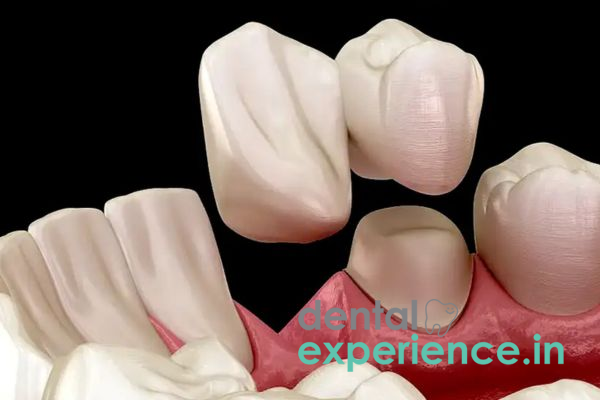
A cantilever bridge in dentistry is a fixed prosthesis that replaces a tooth by connecting to only one adjacent natural tooth or implant. Unlike traditional bridges, which need support from both sides of the missing tooth, cantilever bridges extend over the gap using only a single support point.

Why is it needed?

The overall purpose of the cantilever dental bridge is to fill the missing tooth gap. It helps to:

  • Restore proper chewing.
  • Maintain biting alignment.
  • Prevent adjacent teeth from drifting.
  • Aid in speech.
  • Improve overall look.

If a gap is not promptly replaced, bone loss can occur, bite issues can present and TMJ disorders can develop as a result of tooth loss. Cantilever bridges present an apt solution to fill the gap and act as a sort of interim solution for missing teeth as a restoration or even a temporary means until implants or traditional bridges become available.

Who is it for?

Cantilever bridges are best suited for:

  • Patients who are missing one tooth in low biting pressure areas (front teeth).
  • Individuals with remaining healthy adjacent teeth on one side.
  • Patients who are not candidates for implant surgery for medical or financial reasons.
  • Patients who are looking for a less invasive alternative to implants.

Cantilever bridges are typically avoided by dentists in posterior (back) sites due to higher biting forces.

What are the different types?

Based on materials and design, there are a few different variations of cantilever bridges:

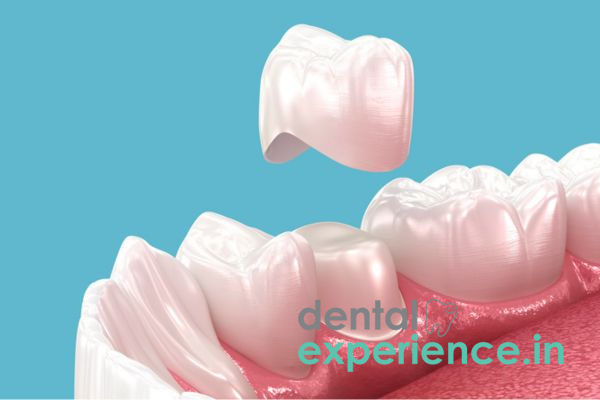
  • Traditional Cantilever Bridge: A fixed cantilever bridge, using a crown on one adjacent tooth.
  • Resin Bonded Cantilever Bridge (Maryland Bridge): Connected by a metal or ceramic framework with resin bonding to the back of another tooth.
  • Implant Supported Cantilever Bridge: Fixed to a single dental implant for cases that have either of no adjacent teeth.

Material-wise, cantilever bridges can be made out of porcelain-fused-to-metal (PFM), all-ceramic, zirconia, or metal alloys, with location and function dictating the specific material used.

What are the steps involved in the procedure?

The treatment process is as follows:

  • Assessment Appointment: An evaluation, x-rays, and digital scans are done to assess the condition of the tooth.
  • Tooth Preparation: The adjacent tooth is reduced to accept a crown.
  • Impression and Sending to Lab: Moulds or digital scans of the prepared teeth are sent to the technician for your bridge to be made.
  • Provisionary Bridge: A temporary or provisional bridge is placed while the permanent bridge is being fabricated.
  • Final Cementation: The cantilever bridge is bonded or cemented in place for good.

Your dentist may want to do follow-ups after cementation to ensure proper fit and bite.

What are the benefits?

  1. Preserves Function of Jaw: Maintains chewing and speaking functionality.
  2. Restores Aesthetics: Translates to a natural tooth-like appearance.
  3. Minimally Invasive Procedure: Only requires the preparation of one adjacent tooth.
  4. Time Efficient Procedure: The procedure takes less time than implants.
  5. Benefits Oral Health: Prevents drifting and movement of adjacent teeth.

What advantage does cantilever bridges have over other options?

  • The cantilever bridge has many unique benefits over other restorative options:
  • No surgical procedure like dental implants.
  • Costs less, especially in rural or semi-urban areas of India.
  • Can be used in cases where there is only one healthy adjacent tooth.
  • Has a faster turnaround time than implants or full bridges.
  • Can be used in medically compromised patients who cannot have implant surgery.

How durable are the results?

With proper care, a cantilever bridge can last anywhere from 5 to 15 years or even longer. Longevity depends on:

  • Materials used (zirconia or PFM is more durable).
  • Oral hygiene practices.
  • Biting forces and site location (anterior and posterior).
  • Routine dental check-ups.

How much does the procedure takes?

  • Overall, the cantilever bridge appointment lasts between 1 to 2 weeks and is generally completed in 2 appointments.
  • First Appointment – Tooth Prepared and Impressions taken.
  • Second Appointment – Final insertion and bite adjustments made.
  • The recovery time is minimal with the majority of your normal function returned within 24 to 48 hours


What is the cost of cantilever bridges?

The average cost of a cantilever bridge in India is between ₹5,000 and ₹25,000 per unit, with variations based on the following:

  • Type of material (metal vs ceramic vs zirconia).
  • Geographical location (you're likely to be charged more in metro cities).
  • Dentist experience.
  • Added work, say for gum treatment or X-rays.
  • Implant supported bridges, if necessary, may be more expensive at ₹35,000-₹50,000 per tooth.

What are the risks and complications?

Cantilever bridges are safe and effective most of the time; however, there are potential risks and complications:

  • Tooth fracture or decay may occur in the supporting tooth.
  • The bridge loosens or falls off because of improper bonding or pressure.
  • The gums may become irritated or recede due to the bridge.
  • The bite may be uneven if not fitted correctly.
  • Over-stressing the anchor tooth because of loading may cause root problems.
  • These risks are greatly reduced by providing proper selection that may assist with the complexities of caring for a cantilever bridge.

What are the disadvantages?

The main disadvantages of cantilever bridges are:

  • Not recommended for back teeth or molars because of the chewing forces at play.
  • Increased failure risk due to excessive demands on a single tooth.
  • Less durable than implant-supported prostheses.
  • May need replacement sooner than other options.
  • Aesthetics may be compromised in some cases due to visible metal framework.

What are the alternatives?

If a cantilever bridge isn't an option, other dental treatment options include:

  • Dental Implants: The most durable and independent option available.
  • Traditional Bridges: Supported by 2 teeth adjacent to the space.
  • Removable Partial Dentures: More cost-friendly and non-permanent.
  • Maryland Bridges: Best suited for front teeth, very little preparation is needed.

How to care cantilever bridges?

After care is essential for the success of the bridge:

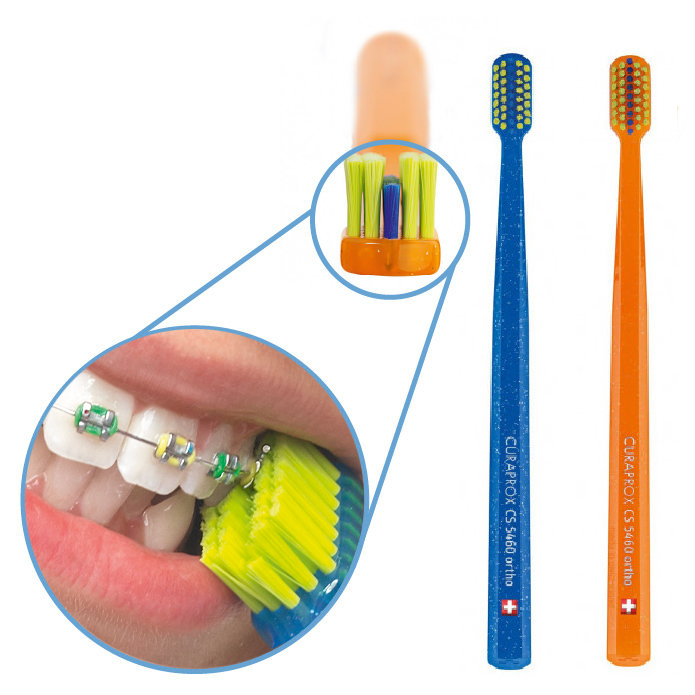
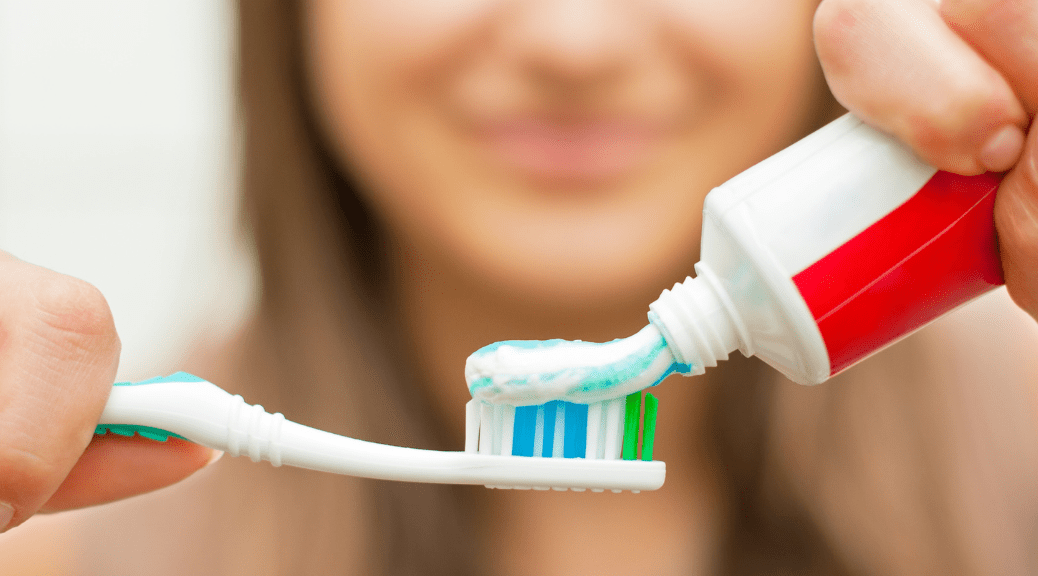
  • Brush your teeth twice daily with a soft-bristled toothbrush.
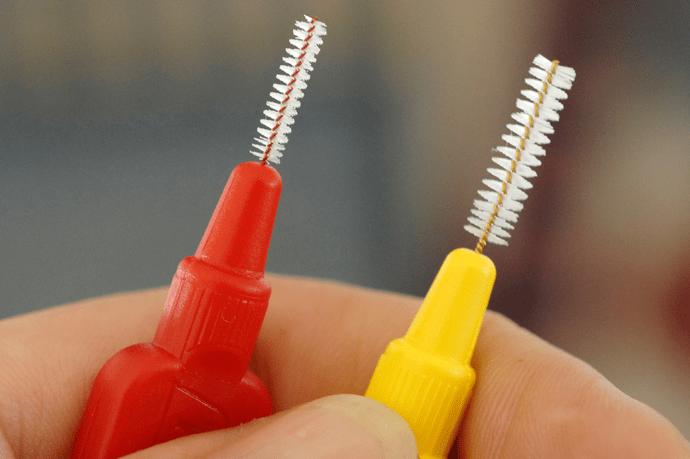
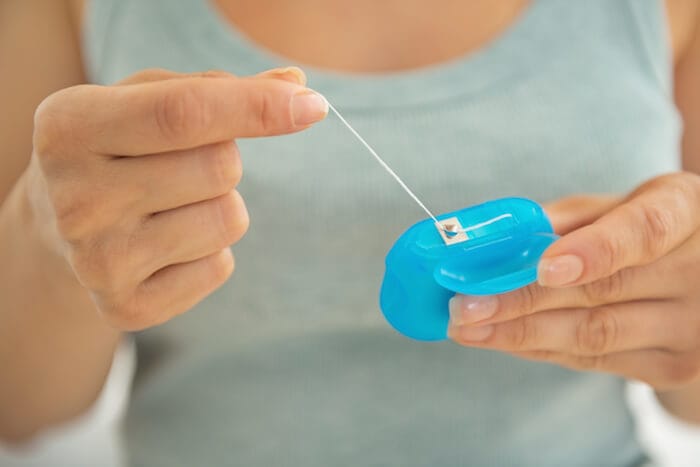
  • Clean under the bridge with interdental brushes or floss threaders.
  • Avoid chewing hard foods on the bridge side for a few days.
  • See your dentist for routine cleaning and check ups.
  • You can also use antibacterial mouthwash to control plaque accumulation.
  • Following a proper oral hygiene routine will help maintain the life of the bridge and the health of the gums.

Related Articles

Load More Articles

Our Store

Call Us Make an Appointment