 Treatment
A cantilever dental bridge is a conservative tooth replacement option that uses only one adjacent tooth for support—ideal for specific cases with minimal impact on nearby teeth.
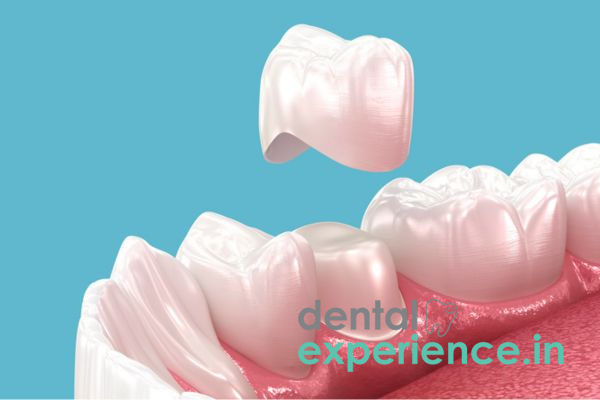
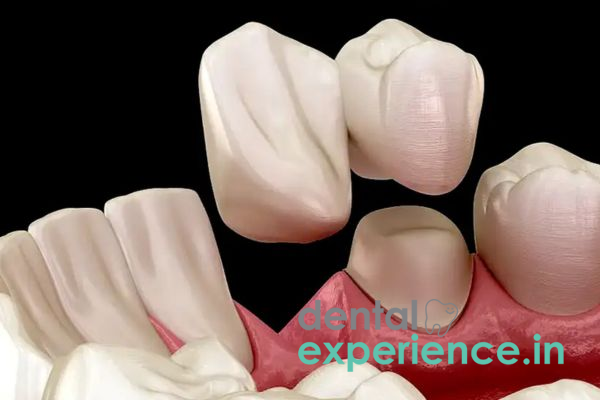
A cantilever bridge in dentistry is a fixed prosthesis that replaces a tooth by connecting to only one adjacent natural tooth or implant. Unlike traditional bridges, which need support from both sides of the missing tooth, cantilever bridges extend over the gap using only a single support point.
The overall purpose of the cantilever dental bridge is to fill the missing tooth gap. It helps to:
If a gap is not promptly replaced, bone loss can occur, bite issues can present and TMJ disorders can develop as a result of tooth loss. Cantilever bridges present an apt solution to fill the gap and act as a sort of interim solution for missing teeth as a restoration or even a temporary means until implants or traditional bridges become available.
Cantilever bridges are best suited for:
Cantilever bridges are typically avoided by dentists in posterior (back) sites due to higher biting forces.
Based on materials and design, there are a few different variations of cantilever bridges:
Material-wise, cantilever bridges can be made out of porcelain-fused-to-metal (PFM), all-ceramic, zirconia, or metal alloys, with location and function dictating the specific material used.
The treatment process is as follows:
Your dentist may want to do follow-ups after cementation to ensure proper fit and bite.
With proper care, a cantilever bridge can last anywhere from 5 to 15 years or even longer. Longevity depends on:
The average cost of a cantilever bridge in India is between ₹5,000 and ₹25,000 per unit, with variations based on the following:
Cantilever bridges are safe and effective most of the time; however, there are potential risks and complications:
The main disadvantages of cantilever bridges are:
If a cantilever bridge isn't an option, other dental treatment options include:
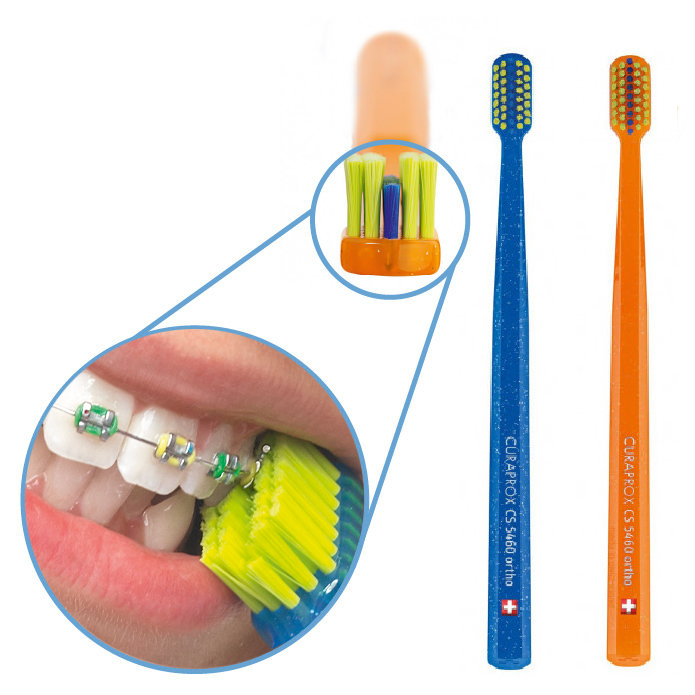
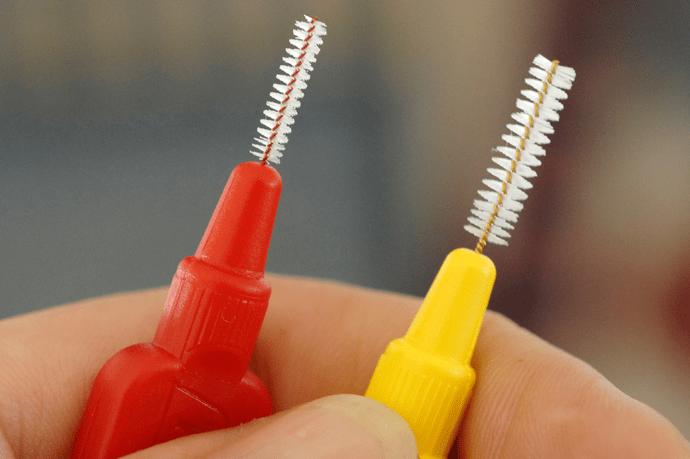
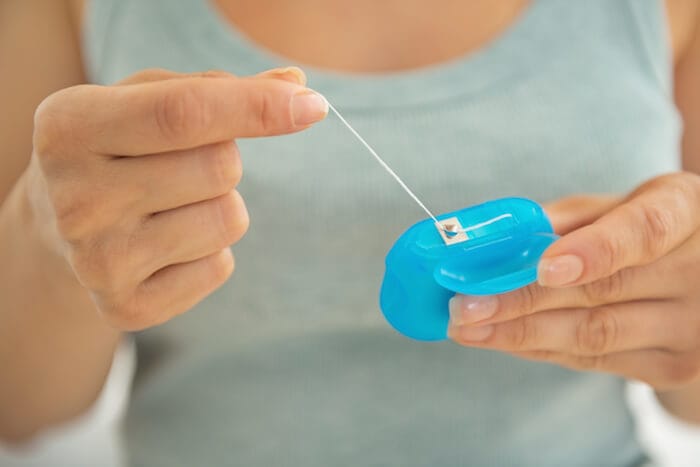
After care is essential for the success of the bridge:








.jpg)
.jpg)
.jpg)
.jpg)
.jpg)
.jpg)
.jpg)
.jpg)
.jpg)
.jpg)
.jpg)
.jpg)