loader

Early Extraction of Primary Teeth (For Permanent Tooth Alignment)

Home› Treatments› Early Extraction of Primary Teeth (For Permanent Tooth Alignment)
Early Extraction of Primary Teeth (For Permanent Tooth Alignment) Treatment
Reviewed by Dr. Seby Varghese

Fast Facts

99% say it's "Worth It"
1000/- to 10000/-
Longevity: When properly timed and followed up, the benefits can last into adolescence and adulthood, potentially eliminating the need for braces
Duration: The extraction typically lasting 15 to 30 minutes. However, the overall interceptive treatment plan spans several months to a few years

Early Extraction of Primary Teeth (For Permanent Tooth Alignment)

Early extraction of primary (baby) teeth is a proactive orthodontic treatment used to create space and guide the proper eruption of permanent teeth. This approach is typically recommended when primary teeth are delayed in falling out or are obstructing the normal path of incoming permanent teeth, which can lead to misalignment or crowding.

Ask Your Question
Share this page
Introduction - What is it?

Paediatric interceptive orthodontic treatment involves timely interventions in children's developing dentition to guide proper eruption and alignment of permanent teeth. One such strategic approach is the early extraction of primary (milk) teeth to prevent or minimize future orthodontic complications. This proactive dental practice, widely used in modern paediatric dentistry, leverages a child’s natural growth phases to avoid or reduce the need for complex braces later. The goal is not just cosmetic—it’s about promoting healthier, functional, and properly aligned dentition from the beginning.

Why Is It Needed?

The primary goal of early extraction of milk teeth is to facilitate the correct eruption path for permanent teeth, especially in cases where space discrepancies or alignment issues are detected early. Retained or over-retained primary teeth can block or misguide the path of erupting permanent teeth, causing crowding, rotation, or impaction. By removing such interfering primary teeth at the correct developmental stage, dentists can intercept malocclusion (bad bite) early, eliminating or reducing the need for future orthodontic appliances like braces or expanders.

Who Should Consider It?

Early extraction is not recommended for every child. It is most beneficial for children:

  • Aged between 6 and 12 years, in the mixed dentition stage.
  • Showing signs of delayed exfoliation of primary teeth.
  • With overcrowding, crossbite, or misaligned eruption patterns.
  • Having supernumerary (extra) teeth or congenitally missing permanent teeth.
  • Diagnosed with habit-related malocclusions (e.g., thumb sucking).
  • With family history of severe orthodontic issues.

A consultation with a paediatric dentist or orthodontist is essential to determine candidacy, ideally guided by orthopantomogram (OPG) or intraoral radiographs.

What are the Different Types?

The term “early extraction” may encompass different variations based on the condition:

  • Serial Extraction: A planned sequence of removing specific primary and/or permanent teeth to alleviate crowding.
  • Selective Extraction: Targeted removal of one or more primary teeth to make room for a specific permanent tooth.
  • Intervention with Space Maintainers: Extraction followed by space maintenance to avoid drifting of adjacent teeth.
  • Extraction with Myofunctional Therapy: Combines early removal with muscle training exercises for oral development.

Each type is chosen based on tooth eruption timing, arch length analysis, and jaw development.

How is it Performed?

The procedure typically follows these steps:

  1. Clinical Examination: Assessment of dental and skeletal development.
     
  2. Radiographic Evaluation: Imaging to observe tooth buds and eruption pathways.
     
  3. Treatment Planning: Identification of which primary teeth need to be extracted and when.
     
  4. Informed Consent: Explanation of the rationale, benefits, and potential outcomes to parents.
     
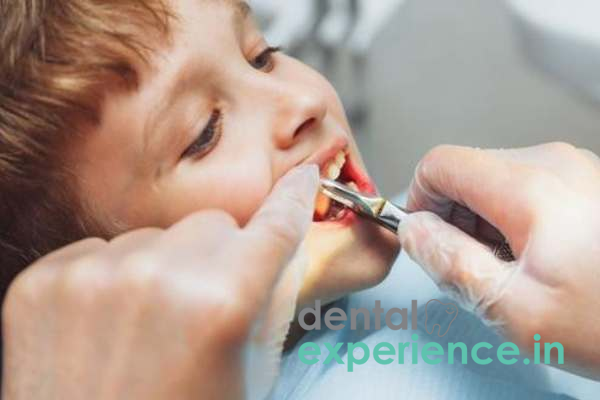
  5. Extraction Procedure: Performed under local anaesthesia; sometimes nitrous oxide is used for anxious children.
     
  6. Post-Extraction Monitoring: Regular check-ups to assess eruption and alignment of permanent teeth.

Adjunctive Treatments (if required): Space maintainers or orthodontic appliances may be introduced based on outcomes.

What are the benefits?

Early extraction of primary teeth brings multiple benefits:

  • Guides proper alignment of permanent teeth.
  • Reduces the risk of crowding or impacted teeth.
  • Prevents complex orthodontic issues, making future treatment simpler and shorter.
  • Takes advantage of natural growth patterns in children.
  • Minimizes trauma to erupting permanent teeth caused by retained baby teeth.

This preventive step improves overall oral health and self-esteem in children from an early age.

What make it better than alternate options?

Compared to waiting for orthodontic issues to fully develop, early extraction:

  • Is less invasive and often avoids surgical interventions later.
  • Saves cost and treatment time in the long run.
  • Leverages natural dental eruption cycles, reducing reliance on mechanical force-based solutions.
  • Can be part of a non-appliance-based interceptive treatment plan.

It enables a more natural and functional development of the jaw and dentition, especially in growing children.

How long does it last?

Since early extraction is part of a preventive orthodontic strategy, its effects depend on the child's age, dental development, and overall oral care. When properly timed and followed up, the benefits can last into adolescence and adulthood, potentially eliminating the need for braces altogether or shortening orthodontic treatment to just minor corrections.

How long does the procedure take?

The actual extraction is a short outpatient procedure, typically lasting 15 to 30 minutes per tooth. However, the overall interceptive treatment plan spans several months to a few years, depending on the timing of permanent tooth eruption and whether additional treatments (like space maintenance or braces) are required.

How much does it cost in India?

In India, the cost for early extraction of primary teeth varies based on location, practitioner experience, and complexity. On average:

  • Single primary tooth extraction: ₹300 – ₹1,500.
  • Serial extractions or planned sequences: ₹3,000 – ₹10,000.
  • Radiographs and diagnostics: ₹500 – ₹2,000.
  • Space maintainers or adjunct appliances: ₹2,000 – ₹6,000.

Private clinics in metro cities may charge higher, while government hospitals or dental colleges offer subsidized rates.

What are the Risks and Complications?

Though generally safe, early extraction may involve some risks:

  • Pain, swelling, or bleeding at the extraction site.
  • Risk of damage to adjacent developing permanent teeth.
  • Misjudged timing can lead to space loss or drifting of teeth.
  • There is a potential need for future orthodontic correction if follow-ups are not maintained.
  • Close monitoring and expert intervention reduce the risk of complications significantly.

What are the benefits?

While early extraction has preventive value, there are some limitations:

  • May not work if timing is inappropriate.
  • Requires accurate diagnosis and planning—errors can cause more harm than benefit.
  • Some children may develop anxiety or fear of dental visits post-extraction.
  • If space is not maintained properly, crowding may still occur.

Thus, this treatment is not a one-size-fits-all solution and demands case-by-case evaluation.

What are the Alternatives?

Depending on the case, alternatives to early extraction include:

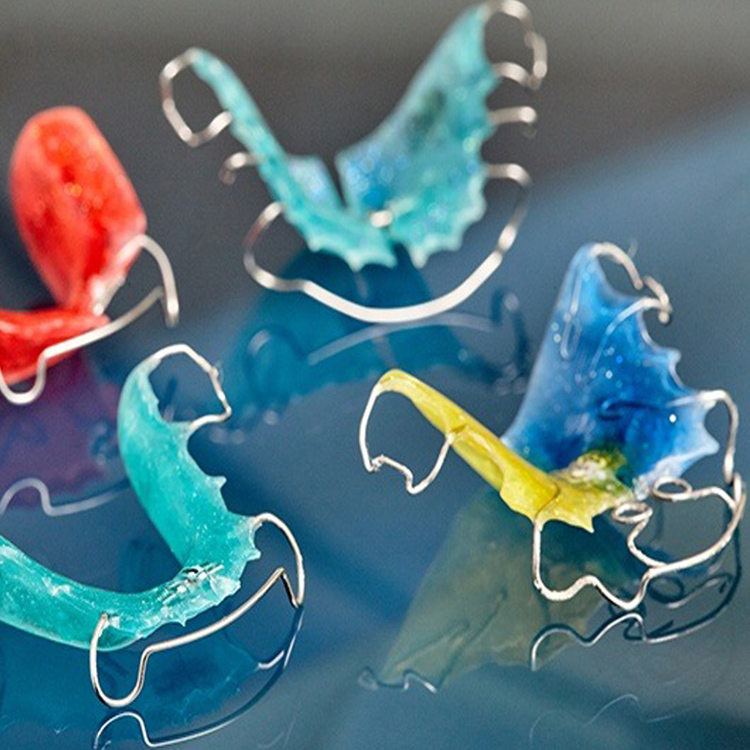
  • Orthodontic spacers or arch expanders to create space.
  • Myofunctional appliances to correct oral habits and promote proper development.
  • Monitoring only, if there is no urgency in tooth eruption.
  • Delayed orthodontic treatment in adolescence if early intervention is not suitable.

Choosing the best route depends on child’s age, dental anatomy, and growth pattern

How To Care For Yourself Post-Treatment?

Post-extraction care is crucial for healing and long-term success:

  • Avoid hard foods for 24 hours post-procedure.
  • Use a cold compress for swelling.
  • Maintain oral hygiene without brushing directly on the site for a day.
  • Rinse gently with salt water after 24 hours.
  • Attend regular follow-ups to track permanent tooth eruption.
  • Use space maintainers if advised.

Parents should watch for signs of infection, discomfort, or delayed healing and consult the dentist immediately.

Related Articles

Load More Articles

Our Store

Call Us Make an Appointment