loader

Growth Modifying Appliances (Headgear, Reverse Pull Face Mask)

Home› Treatments› Growth Modifying Appliances (Headgear, Reverse Pull Face Mask)
Growth Modifying Appliances (Headgear, Reverse Pull Face Mask) Treatment
Watch Video
Reviewed by Dr. Seby Varghese

Fast Facts

99% say it's "Worth It"
15000/- to 45000/-
Longevity: While the appliances are durable, they are still only temporary as they only work while growth in the jaw is still active.
Duration: 1 or 2 appointments each took 20 to 30 minutes

Growth Modifying Appliances

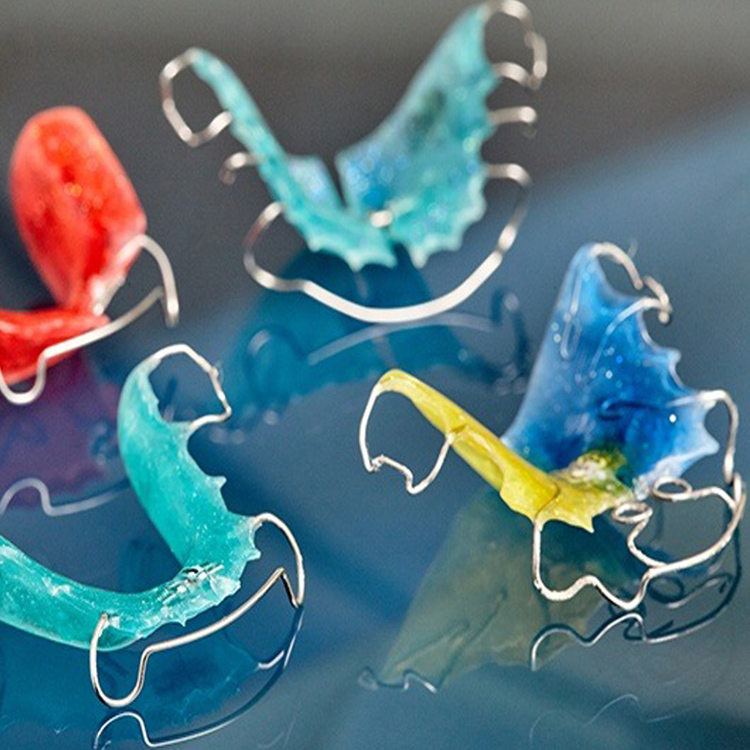
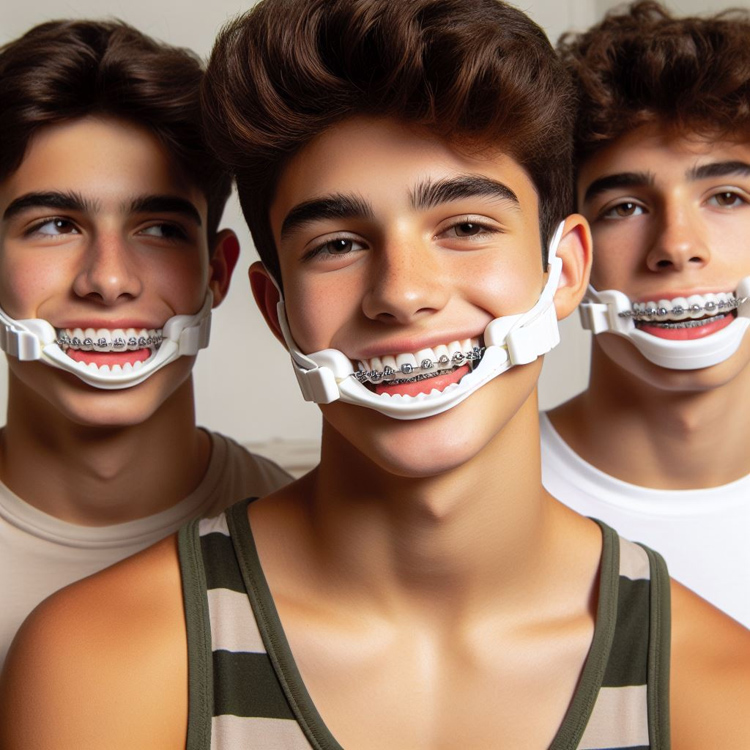
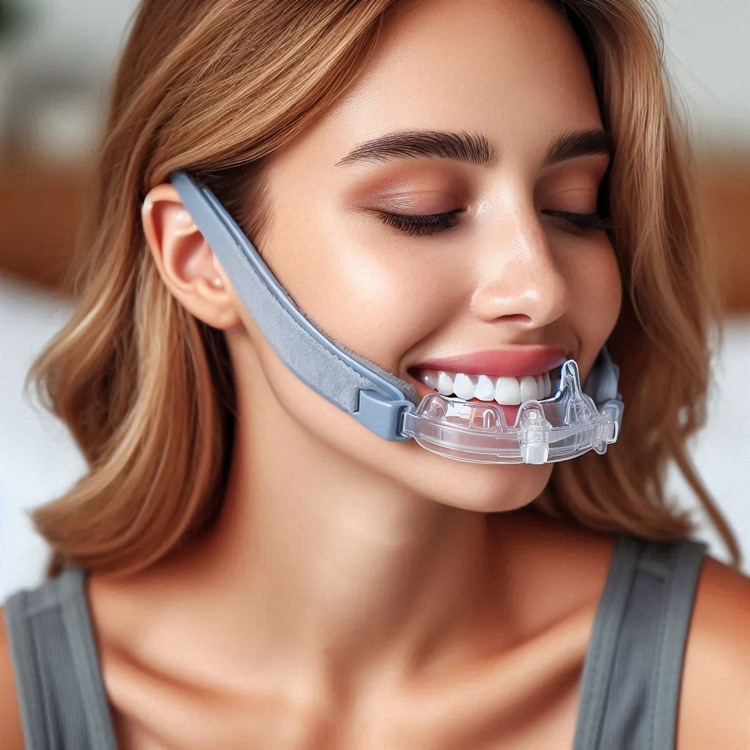
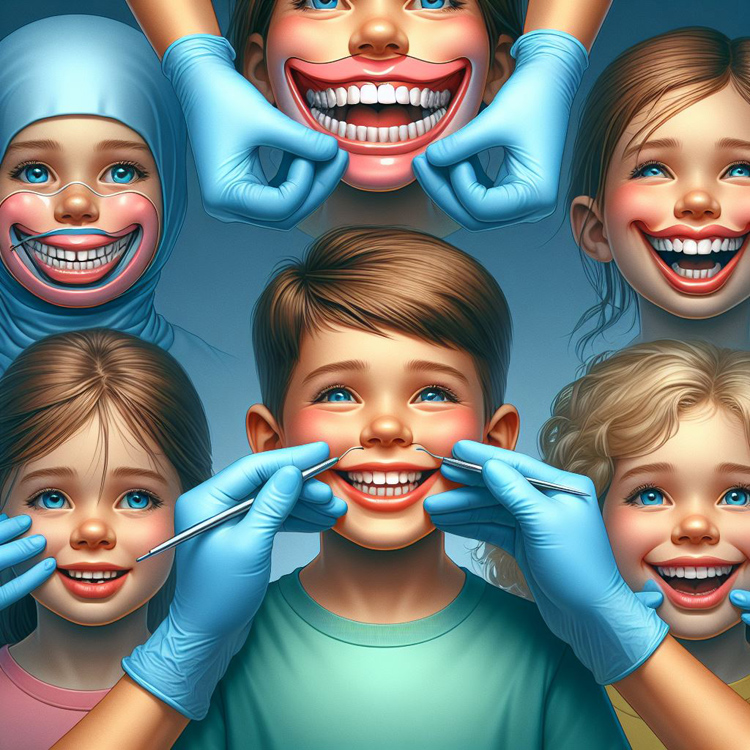
Growth modifying appliances like headgear and reverse pull face masks are used in children to correct jaw alignment during growth. Headgear helps slow upper jaw growth to fix overbites, while face masks gently pull the upper jaw forward to treat underbites. Early use of these devices can guide facial development and reduce the need for future surgery.

Doctors Near You

Ask Your Question
Share this page
What are Growth Modifying appliances?

Interceptive orthodontics in paediatric dentistry offers early intervention to develop jaw growth problems and is the prevention of significant malocclusion. Growth modifying appliances such as orthodontic headgear and reverse pull face masks are among the best appliances to take advantage of when using interceptive orthodontics. Growth modifying appliances guide or change the normal growth of jaws in growing children, decreasing the need for complex orthodontic treatment and/or jaw surgery later in life. When used correctly and at the right time, growth modifying appliances act as an important tool in developing the basis for a functional and esthetically pleasing bite.

Why is it needed?

Aim of growth modifying appliances is to correct skeletal imbalances that occur during the child’s active growth stage. For Class II malocclusion (upper jaw is forward), headgear is engaged to stop maxillary growth. For Class III malocclusion (lower jaw is forward), a reverse pull face mask is used to induce forward maxillary (upper jaw) growth. In both instances, interceptive orthodontics can reduce the risk of long-term implications associated with malocclusion including open bite formation, crossbite development, and facial asymmetry.

Who is it for?

Growth modifying appliances are usually recommended for:

  • Children aged 6 years to 12 years of age.
  • Patients with skeletal discrepancies, especially Class II and Class III skeletal malocclusions.
  • Children with underdeveloped maxillas (Upper Jaw).
  • Children with overdeveloped maxillas or retrognathic mandibles (Lower Jaw).
  • Young patients prior to the pubertal growth spurt, which is the ideal time to achieve skeletal changes.

Early diagnosis with the tools of cephalometric analysis and clinical evaluation of growth is very important in determining if the child is a candidate for growth modification.

What are the different types?

There are two primary types of devices used for growth modification:

  1. Orthodontic Headgear

●     Primarily used with Class II cases.

●     Prevents forward growth of the maxilla.

●     Types include cervical pull, high-pull, and combination headgear.

  1. Reverse Pull Facemask (Protraction Facemask)

●     Used with Class III malocclusion.

●     Promotes forward growth of the maxilla.

Often used in conjunction with rapid palatal expanders (RPE’s) for optimal effect.

How is it performed?

  • Initial Consultation – Evaluation of growth determined on X-rays, photographs, and bite impressions.
  • Treatment Planning – Determining which type of appliance will be used (headgear or facemask).
  • Appliance construction – The device is made and fitted to the child by the orthodontist.
  • Appliance Delivery – Instructing the child how to put on and care for the device.
  • Wearing Schedule – Usually, the device is worn for approximately 12-14 hours a day (most at night).
  • Regular check-ups for adjustments – Whenever required approximately every 4-6 weeks.
  • Completion – The appliance is removed when the desired growth changes are completed.

What are the benefits?

  • Early treatment can correct discrepancies in the jaws.
  • Reduces chance of jaw surgery in the future.
  • Improves facial profile & aesthetics.
  • Aids in chewing and speech improvement.
  • Any future teeth eruption and alignment is improved.
  • Children will develop greater self-esteem and confidence.

Why is growth modifying appliances better than other treatments?

  • Less invasive than jaw surgery.
  • Cost effective if treatment is completed early.
  • Can modify the direction of growth but does not stop it.
  • Greater compliance in children than in adults.
  • Treatment can prevent or reduce the need for fixed braces.
  • Unlike braces which only move teeth, growth modifying appliances will actually modify the development of bone in each jaw which is their value.

How durable are the results?

While the appliances are durable, they are still only temporary as they only work while growth in the jaw is still active. They are typically worn for a minimum of 9 to 12 months, and depending on how severe the discrepancy is, and how compliant the child is, there may be instances where treatment is completed in 18 months.

How long does the treatment take?

  • The appliance itself can take 1-2 appointments to fit, and then the total wear-time is typically 12-14 hours/day.
  • Total treatment time is usually 6 to 18 months.
  • No surgical recovery is required; minor soreness may occur initially.
  • Regular monitoring ensures timely adjustments and faster progress.

What is the cost of growth modifying appliances?

Cost of growth modifying appliances depends on the  type of appliance, clinic location, and complexity level:

  1. Orthodontic headgear: ₹15,000 - ₹30,000.
  2. Reverse pull face mask: ₹25,000 - ₹45,000.

Other factors that can add to the cost include follow-through visits, further appliances (for example, the RPE), and imaging for diagnostics. In India, government dental colleges or teaching hospitals may offer lower rates.

What are the risks and complications?

Possible complications include:

  • Soreness or discomfort in teeth and jaws initially.
  • Locally rashes, redness or irritation where the appliance contacts the face.
  • Unsuccessful treatment due to poor compliance.
  • Some speech issues during some of the first days of use.
  • Tooth mobility, root resorption (these occurring quite rarely).

A good fitting, compliance from the patient, and allowing regular follow-up checks can keep any problems under control.

What are the disadvantages?

  • Disadvantages of growth modifying appliances include:
  • Require very high compliance from patients.
  • Visible appliances may affect the child's self-confidence.
  • Limited time frame for effectiveness (used up until puberty).
  • Most patients will require further orthodontic treatment.


What are the alternatives?

Alternatives are as follows:

  • Fixed orthodontic treatment with braces.
  • Surgical skeletal corrections when the patient reaches adulthood.
  • Functional appliances like twin blocks or Herbst appliances (for select cases).
  • Myofunctional therapy (when needing minor corrections).

Typically, all of the above will be scheduled for rectifying problems only when growth is arrested, therefore these treatments usually incorporate longer timelines and more invasive processes. 

How to care after the treatment?

Aftercare include:

  • Wearing appliances for recommended hours daily.
  • Cleaning the appliance regularly i.e. mild soap and soft brush.
  • Avoiding rough play or incidental damage to the device.
  • Scheduling and maintaining follow-up appointments.
  • Ensuring good oral hygiene in order to prevent cavities, tooth decay and gum infection.

Related Articles

Load More Articles

Our Store

Call Us Make an Appointment