 Treatment
Oral cancer screening is a quick, painless exam that helps detect early signs of cancer in the mouth, lips, tongue, and throat. Early detection through regular screenings improves treatment success and saves lives. Recommended annually, especially for tobacco and alcohol users.
Oral cancer screening is a preventive evaluation conducted by dentists and doctors to detect early signs of oral cancer or precancerous conditions in the mouth. This is a rapid and non-invasive procedure with a visual and manual examination of the oral cavity, and includes the tongue, gums, mucosa of the cheeks and throat. Early detection plays a pivotal role in increasing survival rates, as oral cancer is typically diagnosed at a late stage when treatment options become more complicated.
Oral cancer screening can detect abnormal or suspicious lesions at an early stage before they turn out to be malignant tumors. In fact, with early detection, we can intervene in time, making successful treatment much more likely. Because of increasing tobacco and areca nut use, India has rising oral cancer rates, stressing the need of frequent screening for detecting high-risk patients.
While oral cancer screening can benefit everyone, some individuals should be screened more often:
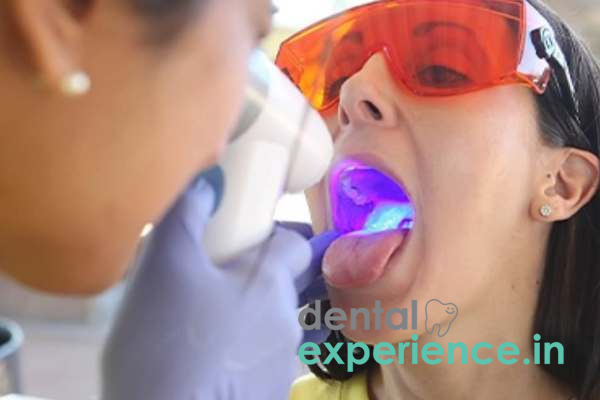
There are various methods for oral cancer screening, each employing different instruments:
Here are the various steps which form the process:
An oral cancer screening is just one brief appointment taking 5-10 minutes. But it needs to be done every year as part of routine dental visits, especially in people who are at high risk. If nothing is out of the ordinary, just basic tests will do. If anyone finds suspicious lesions, follow-ups and further diagnostic tests might be needed.
Oral cancer screenings are a standard part of a dental visit and only take 5-10 minutes. If any further investigations are needed, fluorescence imaging or a biopsy, the screening time could be with 30 minutes or even more.
In India, the cost of oral cancer screening varies depending on the type of screening and the clinic location:
Oral cancer examination is a safe non-invasive procedure. But there are small things that are a bit off:
Here are numerous benefits of oral cancer screening, but it does have a few limitations:
Oral cancer screening is a key preventive measure, but there are other strategies:
Post-screening care is dictated by the results:
1. If no abnormalities are revealed:
2. If suspicious lesions are found:








.jpg)
.jpg)
.jpg)
.jpg)

.jpg)
.jpg)
.jpg)
.jpg)
.jpg)
.jpg)
.jpg)
.jpg)