loader

Repair of Chipped Metal Fused Ceramic Crown

Home› Treatments› Repair of Chipped Metal Fused Ceramic Crown
Repair of Chipped Metal Fused Ceramic Crown Treatment
Watch Video
Reviewed by Dr. Seby Varghese

Fast Facts

99% say it's "Worth It"
2000/- to 25000/-
Longevity: Ideally, a properly done repair can last anywhere between 1 to 5?years.
Duration: 1 or 2 appointments, each lasting about 60–90 minutes.

Repairing a chipped metal-fused ceramic crown restores function and aesthetics without the need for full crown replacement. Whether it’s a minor ceramic chip or a larger fracture, dental bonding, composite repairs, or crown replacement can restore the damaged area effectively. Quick, affordable, and often completed in a single visit, this procedure helps maintain your bite and smile.

Problems Treated with Repair of Chipped Metal Fused Ceramic Crown

Ask Your Question
Share this page
What is a chipped PFM Crown?

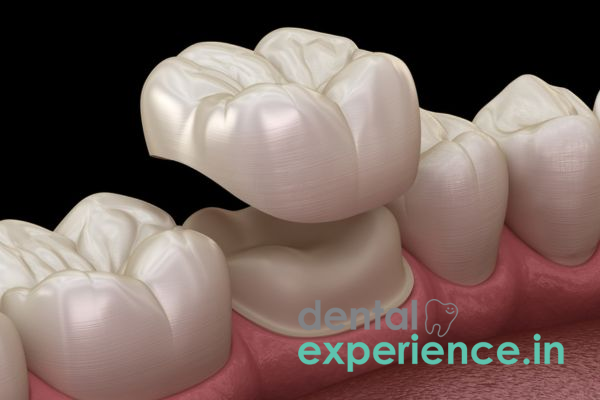
PFM crowns metal with a porcelain coating which is meant to simulate the form of the tooth. Chips usually form when the outer porcelain fractures or breaks away, most often as a result of excessive bite force, trauma, or gradual wear and tear. This damages the metal substructure underneath, which can make the crown look unnatural and even cause sensitivity or discomfort in some cases.

Repair of this type of damage is critical not only to restore aesthetics, but also to preserve the crown’s protective function. A chipped crown, if left untreated, can lead to serious dental issues such as decay, further fracture, and need for extraction if the tooth underneath gets compromised.

Why is repair necessary?

Repairing a chipped PFM crown serves to restore its structural integrity, aesthetics, and functionality. If you leave a chipped crown untreated, it can cause several problems:

  • Sensitivity or discomfort from the bare metal.
  • Uncomfortable chewing, especially on hard foods.
  • Aesthetic issues, when the impacted crown is a front tooth.
  • Risk of more damage, leading to a more expensive treatments down the line.

Who Should Consider It?

Not every chipped crown needs to be fully replaced. Repair is often the preferred choice for patients with:

  • Minor to moderate chipping that does not threaten the structural base of the crown.
  • Discomfort or sensitivity with no visible signs of damage, but the underlying tooth has not suffered any damage.
  • Aesthetic considerations, especially for anterior crowns.
  • Seeking cost-effective treatment options due to financial constraints.

What are the Different Types?

The best way to repair a chipped PFM crown depends on the size of the chip and the position of the break. Common techniques include:

  • Composite Bonding: The chipped area is coated with a tooth-colored composite resin, sculpted to recreate the contour of the crown and then hardened with a curing light. Perfect for small chips, and can be done in one appointment.
  • Porcelain Repair Kit: The kits include special adhesives and ceramic repair materials that bond with the existing porcelain. They are slightly more technique-sensitive but provide a better aesthetic match for larger or more visible chips.
  • Crown Reglazing: Very small chips can also be addressed by smoothing out the surface with a thin layer of glaze, restoring a polished shine. That is a quick fix and noninvasive, but not for deeper damage.
  • Crown Replacement: If the chip is sizable, or if the metal substructure has ruptured, the crown may need to be entirely replaced. This is the option that takes the most time and cost invests, but gives the most reliable long-time result.

What are the steps involved in the treatment?

  • Examination and Diagnosis: The dentist will first visually inspect the crown and take X-rays to assess the damage and the best way forward.
  • Surface Preparation: The chipped area is thoroughly cleaned and then roughened using etching agents or mechanical tools to create a surface suitable for bonding.
  • With composite bonding, a bonding agent is placed and then the resin is placed.
  • A unique primer and ceramic material are then used for porcelain repair which is cured by light.
  • Shaping and Polishing: The dentist shapes the material to reflect the original contour of the crown, and polishes it to achieve a smooth, natural look.
  • Final Evaluation: The repaired crown is checked for bite alignment, comfort, and aesthetic appeal. Adjustments are made as necessary.

What are the benefits?

  • Returns full function and natural morphology.
  • Compared to replacing the crown, minimally invasive.
  • Cost effective for minor to moderate damage.
  • Turn-around time is short; procedure is often completed in a single appointment.
  • Extends the lifespan of the original crown.

What are the Advantages?

Repairing a chipped PFM crown has several advantages over full replacement:

  • Less expensive, which benefits most patients.
  • Allows the preservation of the original crown structure, lessening the need for further dental work.
  • Quicker results: Repairs can be completed in a shorter amount of time.
  • Lesser pain, with minimal/no anesthesia required.

How durable are the results?

The longevity of a repaired crown depends on various factors such as:

  • Material – Higher quality composite or ceramic materials tend to last longer.
  • Patient habits – Staying off hard foods and good oral hygiene helps preserve the repair.
  • Location of the crown -  Molars are subject to higher stresses than teeth at the front of the mouth, and the lifespan of a repair will be reduced.

Ideally, a properly done repair can last anywhere between 1 to 5 years.

How Long Does the Treatment Take?

  • Composite bonding – 30 to 60 minutes.
  • Porcelain restoration – Can take 1 to 2 appointments as it cures and gets layered in.
  • Crown replacement – At least 2 visits required: one for preparation and impressions, one for fitting new crown.

What is the cost of replacing chipped metal fused ceramic crown?

In India, a chipped PFM crown can be repaired at the price of:

  • Composite Bonding – Rs 2,000 to Rs 5,000.
  • Porcelain Repair Kit — ₹3,000 to ₹7,000.
  • Crown Replacement — ₹3,000 to ₹25,000.

What are the Risks and Complications?

While crown repairs are very safe, some risks that come with crown repairs include:

  • Poor bonding resulting in additional chipping.
  • Discoloration, particularly if done hastily.
  • Sensitivity,if the repair doesn’t seal to exposed metal.
  • Partial repair, which may later need replacing.

Are there any downsides?

  • Repaired areas are not permanent and may require maintenance in the future.
  • Not as strong as new crown.
  • Minor aesthetic differences between repair material and original porcelain.

What are the Alternative Options?

Alternatives may include, based on the situation:

  • Complete Crown Replacement - Best for more complex or multiple fractures.
  • Zirconia Crowns – Aesthetic, durable, and metal-free.
  • Dental Veneers – Ideal for small cosmetic fixes on front teeth.

How to care after the Treatment?

Some care after the repairing is important to ensure the crown lasts:

  • Steer clear of anything hard or sticky that could chip.
  • Brush and floss your teeth regularly.
  • It’s important to go for regular dental check-ups and also to take care of the crown.
  • Wear a night guard if you have bruxism (teeth grinding).

Related Articles

Load More Articles

Our Store

Call Us Make an Appointment