loader

Crown Lengthening

Home› Treatments› Crown Lengthening
Crown Lengthening Treatment
Authored by Dr. Sreeja Aravind
Reviewed by Dr. Seby Varghese

Fast Facts

99% say it's "Worth It"
2000/ tooth
Longevity: Long-term
Duration: 1 hour

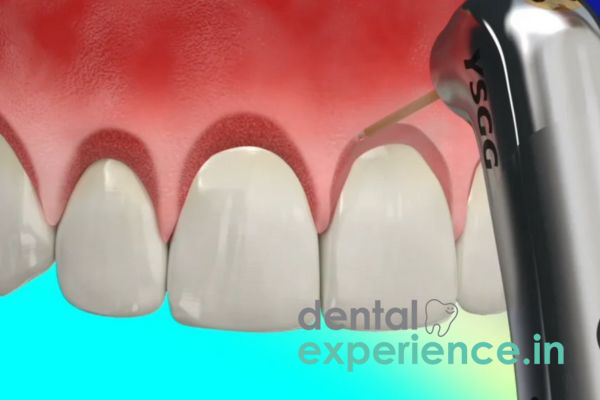
If you feel insecure about a “gummy” smile or teeth that appear too small you may be interested in a surgical procedure known as crown lengthening. Crown lengthening, also known as a gum lift, is a cosmetic procedure that can enhance the look of your smile by exposing more of your teeth hidden behind your gums. In this procedure, your excess gum tissue and the underlying bone are cut and reshaped to expose the full length of your teeth.

Questions & Answers

QHow much does a Crown Lengthening procedure for 6 teeth cost in Kochi, Kerala?
Ask Your Question
Share this page
What is crown lengthening?

Crown lengthening is a dental surgical procedure that reshapes the gum tissue (and sometimes the underlying bone) to expose more of a tooth’s surface. This procedure is often completed in order to improve dental aesthetics, assist in restorative procedures or to enhance oral health. The procedure is essential to modern dentistry, used to help patients who have excess gum tissue, short teeth or tooth decay below the gum line.

Why Is It Needed?

Three main reasons that crown lengthening is needed are as follows:

  • Restorative Needs: In the case of a tooth that is fractured or decayed below the gum line, crown lengthening allows for better access to place crowns or fillings.
  • Aesthetics: For patients having a gummy smile, this surgery is performed to beautify the smile, making it more proportionate.
  • Oral Hygiene: It decreases the spaces in the teeth and gums and inhibits the excessive growth of bacteria in that area.

Who should consider crown lengthening?

Crown lengthening is ideal for people who have:

  • Too much gum tissue over the teeth (gummy smile).
  • Decay below the gum line.
  • Your tooth is cracked or broken and needs to be repaired.
  • Not enough tooth structure for connection of a crown or bridge.
  • Gum contouring is needed for periodontal disease

What are the Different Types?

Crown lengthening can vary according to the individuals of each patient:

  • Esthetic Crown Lengthening: Done to improve the appearance of the smile when excess gum tissue is present.
  • Cosmetic Crown Lengthening: Mostly performed for cosmetic reasons.
  • Osseous Crown Lengthening: This process entails the removal of gum tissue and some bone for extensive reshaping cases.


How is the procedure done?

Here is how the process works:

  • Diagnosis: The dentist assesses the patient’s dental health and takes X-rays to develop the treatment plan.
  • Administration of Anesthesia: Local anesthesia is given to cause numbness in the region.
  • Gum Tissue Removal: In this step, the dentist will make small incisions to be able to pull back the gum tissue to reach the structure of the tooth.
  • Bone Reshaping (if necessary): Tools are used to reshape bone if need be.
  • Suturing: The gums are re-positioned and stitched for proper healing.
  • Healing Phase: The recovery process takes several weeks, and there are follow-up visits for monitoring

What are the benefits?

  • Improves dental crown and restoration fit.
  • Enhances the appearance of short teeth and gummy smiles.
  • Foils better sanitization and minimizes gum disease.
  • Reinforces weak or cracked teeth.
  • Helps to avoid future dental problems caused by excess gum tissue

What sets it apart from other alternatives?

  • Not as invasive as extensive gum surgery.
  • Long-term structural support for dental restoration.
  • One surgery that helps to improve both function and looks.
  • Less likely to complicate as long as you know how to care for it after

How Long Does it Last?

Crown lengthening outcomes are usually permanent. The reshaped gum line will remain stable as long as patients keep oral hygiene in check and are free of periodontal disease. Nonetheless, gum tissue may remain in a different condition after a year, or they might have changed their habits, pathology, oral health status, etc.

How Long Does the Procedure Takes?

The procedure, itself, usually takes between 30—90 minutes based on complexity.

The healing process starts in 7 to 10 days and complete healing takes 4 to 6 weeks.

What is the cost of crown lengthening in India?

clinics in India, and the type of treatment. On average:

  • simple crown lengthening: ₹5,000 – ₹15,000 per tooth.
  • complicated cases (bone removal): ₹15,000 – ₹30,000 per tooth.

What are the risks and complications?

Although safe, some risks include the following:

  • Soreness and swelling after surgery.
  • Gum infection if aftercare is not followed.
  • Temporary tooth sensitivity
  • Inconsistent healing leading to uneven gum line.

Are there any downsides?

  • It involves a surgical procedure which needs time to heal.
  • Sensitivity and discomfort, from time to time.
  • Additional dental work may be needed after surgery.

What are the other options?

  • Gingivectomy: A more conservative approach to gum tissue shaping without bone removal.
  • Orthodontic Extrusion: The tooth is pulled up with braces rather than removing gum tissue.
  • Composite Bonding: It makes changes to the tooth's external appearance without utilizing any surgical method.

How to care after the Treatment?

Do proper aftercare to ensure a smooth healing:

  • Oral Care: Brush gently, apply the recommended mouthwash.
  • Dietary Restrictions: (If you received plenty of anesthesia): Skip hard, spicy or acidic foods for a couple of days.
  • Pain Management: Use prescribed pain medication as necessary.
  • Follow-Ups: Regular follow-ups help ensure everything is healing properly.
  • Smoking & Alcohol: These substances can slow down your recovery.

Our Store

Call Us Make an Appointment