 Treatment
Dental Jewelry
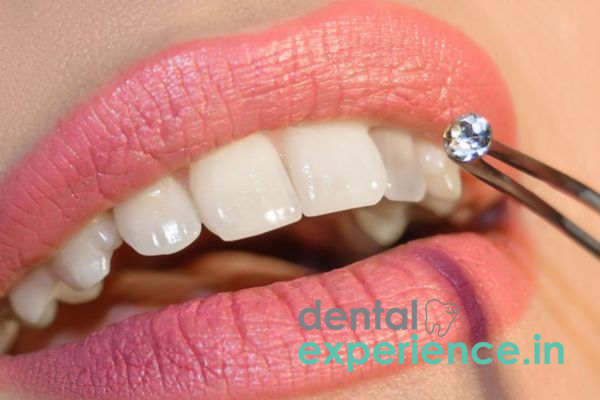
Dental jewelry in Kerala is a quick and painless cosmetic procedure where small gems or crystals are bonded to the surface of a tooth, adding a touch of sparkle to enhance your smile. This non-invasive and reversible treatment provides a unique and stylish element to your look without affecting the tooth structure. For the best results, visit the best dental jewelry clinic in Kerala, where experienced professionals ensure a safe, comfortable, and aesthetically pleasing experience.
Dental jewellery is a cosmetic dental procedure where a small gem, crystal, or decorative stud is bonded to the enamel surface of a tooth. This is usually on the facial surface of a tooth in the smile zone, typically the front teeth. Dental jewellery is a trendy way to enhance a smile without creating a lasting change to the tooth enamel. Dental jewellery is preferred by people looking for a fashion statement and receiving a personalized and unique look without permanence. Dental jewellery has become very popular among young people and celebrities, and it is a trend that has become a movement internationally, including in India. Recently, it has become common practice to provide dental jewellery as part of cosmetic dentistry services.
The main function of dental jewellery is cosmetic: the treatment provides the opportunity for individuals to decorate their teeth much like they adorn their ears or nose with jewellery. Dental jewellery does not affect tooth health and function and is used to instil confidence, create a sense of identity, and improve appearance. All in all, dental jewellery can be a fun way to make a bold fashion statement for those looking to temporarily alter the appearance of their smile and teeth.
The ideal patient for dental jewellery is someone with good oral health who wants to add a decorative component to their smile. In order to have dental jewellery, the patient must have clean teeth and gums, which means cavity free and healthy teeth and gums. Dental jewellery is not indicated for patients with active dental conditions like decay, gum disease, or those in orthodontic treatment. Patients who have any form of dental and/or oral disease should not get dental jewellery. For smokers, or patients who have a high plaque accumulation rate, should also take extra precaution if wanting to get tooth jewellery.
Dental jewellery comes in several different varieties, and can be personalized based on one’s tastes:
Placement of Jewel on tooth is an easy and non-invasive process!
Compared with other cosmetic dental services such as veneers or crowns, dental jewellery:
Dental jewellery can last anywhere from six months to a few years depending on a combination of oral hygiene, the quality of the adhesive and lifestyle. Professional adhesive is the best quality and will last the longest. If proper hygiene is followed and the patient chooses to seek check-ups to ensure the dental jewellery stays clean and stable.
Just like any other dental procedure, the dental jewellery application will take about 15 to 30 minutes. There is no downtime; patients can carry on with their normal lives immediately. The first 24 hours after the treatment, there may be some minor precautions to guarantee proper bonding.
The cost of dental jewellery in India truly depends on: the type of jewel, proficiency of the treatment centre and the skill level of the dentist/treatment provider. Basic price list in India with typical ranges:
Premium clinics charge a slightly higher fee to keep up with the advanced and better techniques with better quality materials.
Although dental jewellery is certainly beneficial, there are some disadvantages:
Other cosmetic dental options include:
Every alternative has different advantages depending on what the person is looking for and their dental condition.
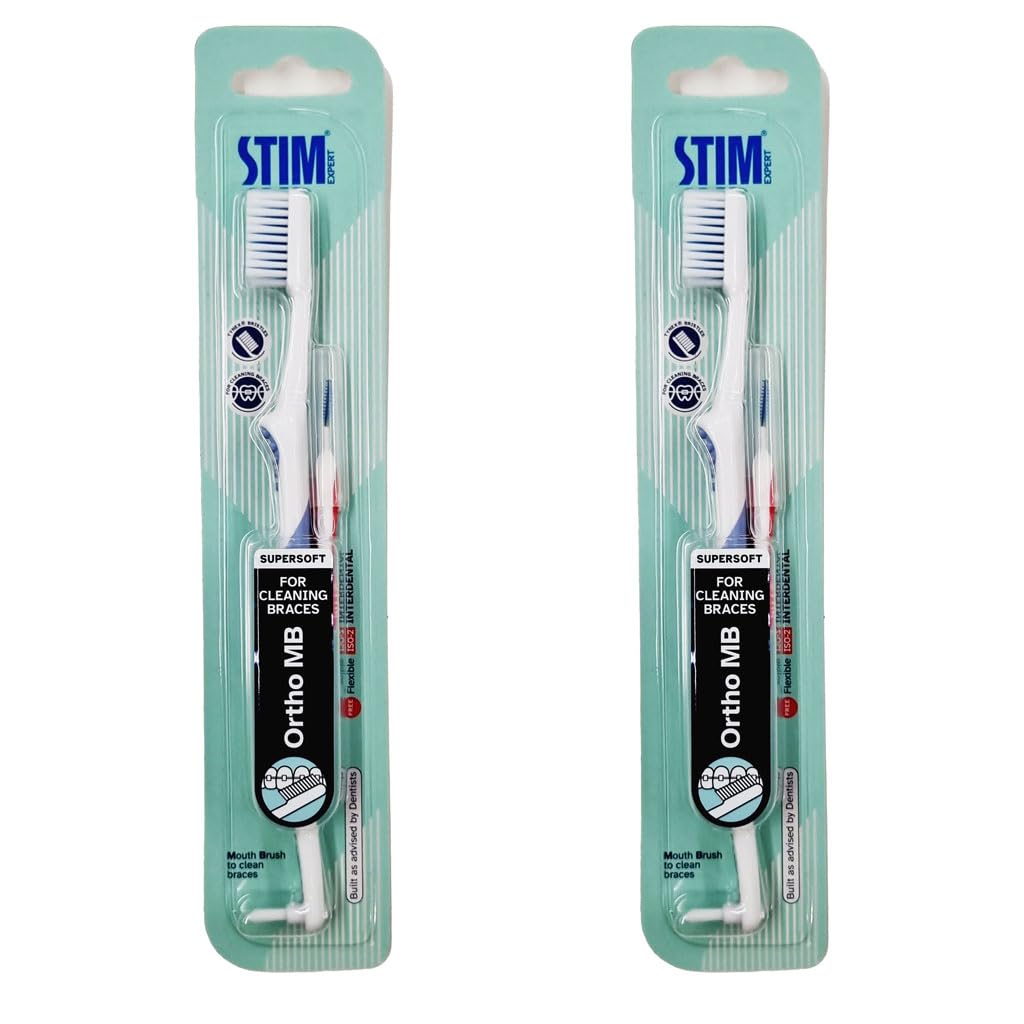
By following proper aftercare advice, you can ensure that your jewellery lasts and that your mouth is healthy.
Make sure to attend regular dental check-ups for oral hygiene, and so the dentist is aware of the condition of the jewellery.




.jpg)
.jpg)
.jpg)
.jpg)
.jpg)
.jpg)
.jpg)
.jpg)
.jpg)
.jpg)
.jpg)
.jpg)