loader

Maryland Bridge.

Home› Treatments› Maryland Bridge.
Maryland Bridge. Treatment
Authored by Dr Ann Mary Mathew
Reviewed by Dr. Seby Varghese

Fast Facts

99% say it's "Worth It"
10000/- to 25000/-
Longevity: With proper care, a Maryland Bridge can last 5 to 10 years, however, the newer materials have better longevity.
Duration: completed in 2 visits over the span of 1 week.

Maryland Bridge

The Maryland Bridge is a conservative dental restoration used to replace missing front teeth. It’s a non-invasive, adhesive solution that preserves natural tooth structure while restoring your smile.

Ask Your Question
Share this page
What is a Maryland Bridge?

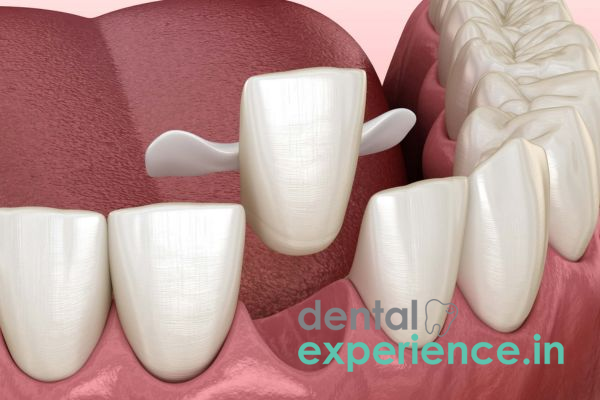
A Maryland Bridge, also known as a resin-bonded bridge or Maryland Crown, is a conservative and minimally invasive dental restoration to replace a missing front tooth (anterior tooth). Unlike a conventional bridge, which uses crowns placed over adjacent teeth, a Maryland Bridge employs wings made of metal or ceramic bonded to the back surfaces of the adjacent teeth. The wings will not require significant preparation of the neighboring teeth. In essence, it finds use when primarily aesthetics and function are concerned. It is a great choice for young patients or those seeking temporary, minimally invasive solutions.

Why is it needed?

The purpose of a Maryland Bridge is to replace a missing tooth while minimally altering the adjacent teeth. It has particular potential for use when there are healthy teeth adjacent to the missing tooth site, which do not require crowns. The treatment can fulfil both aesthetic and functional roles. The Maryland Bridge helps the patient with their speech, maintain alignment, improve their bite, and aesthetically restore the smile. In cases of young adults, a Maryland Bridge treatment will serve as a temporary prosthesis while they await fixed implant placement once skeletal maturity occurs.

Who would benefit from Maryland Bridges?

Maryland Bridges are ideal for:

  • Patients with a single missing front tooth, specifically a tooth in the incisor position.
  • Young individuals with congenitally missing teeth or post-trauma tooth loss.
  • Individuals with healthy adjacent teeth and minimal preparation is preferred.
  • Patients are unable to pursue straight-forward implant treatment due to health considerations, or lack of bone.
  • Patients who are seeking a temporary tooth replacement prior to definitive treatment with an implant.

Nonetheless, it is not ideal for patients who exhibit a deep bite, bruxism (teeth grinding), or big space discrepancies.

What are the different types of Maryland bridge?

Maryland Bridges differ primarily by the component material and the design of the wings:

  • Metal Wing Maryland Bridge – This type of bridge is the most traditional and durable type of bridge, due to the metal wings that hold a ceramic pontic in place. However, they can cause slight greying of adjacent teeth due to metal shine-through.
  • All-Ceramic Maryland Bridge – Ideal for aesthetic purposes as it conveys the most natural look due to the all-ceramic wings. Great for patients wanting the most natural look possible.
  • Fiber-Reinforced Composite Bridges – More flexible design utilizing fiber mesh and composite material; primarily used as a temporary solution.
  • One-wing vs Two-wing Design - There are some bridges that utilize one-wing (often chosen when space or occlusion are the primary considerations), while other bridges use bilateral wings for advanced stability.

How is it done?

  • Initial Consultation/Examination - Includes analysis of X-rays and a bite.
  • Tooth Shade Selection - Choose a shade to match the pontic (artificial tooth) with adjacent teeth.
  • Minimal Tooth Preparation - This could include minor etching of the back surfaces of adjacent teeth or minor roughening of the surfaces.
  • Impression/Digital Scan - The lab will need to use it for fabrication of the bridge.
  • Bridge Fabrication - Approximately 3-7 days in a dental laboratory.
  • Trial and Adjustment - Confirm the bridge fits, bites and looks appropriate.
  • Bonding Procedure - The bridge is bonded to the adjacent teeth using a special dental adhesive.
  • Final polishing and instructions given for optimal comfort and care.

What are the benefits of Maryland Bridge?

  • Minimally Invasive: The Maryland Bridge only requires a minimal amount of reduction of healthy adjacent teeth.
  • Quick and Efficient: Same day service possible although often only takes two appointments.
  • Natural Aesthetics: Primarily with all-ceramic versions.
  • Reversible: Since we preserve tooth structure, a patient could consider future options like implants.
  • Cost-effective: Less expensive than implants.

What are the advantages?

  • There is no surgery, which may be better for medically fragile patients.
  • No risk of nerve exposure or need for a root canal.
  • More rapid healing and adaptation.
  • Less cost with considerable aesthetics.
  • Can be of great value for younger patients that are not ready for implants.

How durable are the results?

With proper care, a Maryland Bridge can last 5 to 10 years, however, the newer materials have better longevity. Some of the factors that can influence longevity may include the following:

  • Oral hygiene practices.
  • Bite force and grinding habits.
  • The quality and technique of the adhesive.
  • Material (metal and ceramic).

Periodic dental check ups can prolong the life of a Maryland Bridge.

How long does Maryland bridge takes?

Typically, the entire treatment will be completed in 2 visits over the span of 1 to 2 weeks:

Visit I: consultation, preparation, and impressions.

Visit II: Bonding and placement.

There is very minimal recovery time. Most patients are able to quickly resume normal activities immediately.

What is the cost of Maryland bridge in India?

The price of a Maryland Bridge in India varies between ₹10,000 and ₹25,000 per unit depending on location and the clinic's facilities, dentist's experience, material (metal or ceramic), number of wings, and complexity of the case. All-ceramic bridges generally run at the higher end as they have an aesthetic property.

What are the risks and complications of Maryland bridge?

Maryland Bridges are usually safe and fairly low risk but they do come with a few risks;

  • Debonding or loosening over time especially under heavy chewing forces.
  • Discoloration of the tooth from the metal wings (if applicable). Milder sensitivity after placement.
  • Gum irritation if hygiene is not maintained.
  • Usually, these problems can be easily resolved with dental work.

What are the disadvantages?

  • Not designed for back teeth or areas exposed to heavy biting forces.
  • May not last as long as an implant.
  • May affect speech initially.
  • Less stable than a traditional bridge in certain bite conditions.
  • Difficult to place in patients with small adjacent teeth or irregularly shaped adjacent teeth.

What are the alternatives?

  • Dental Implants - Most durable and long-lasting but usually costs more and is invasive.
  • Traditional Bridge - This involves full coverage crowns on the adjacent teeth.
  • Removable Partial Denture - Most cost effective yet least aesthetic and least comfortable solution.
  • Orthodontic Space Closure - In certain situations, braces can be utilized to close the space without prosthetics.

How to take care Maryland Bridges?

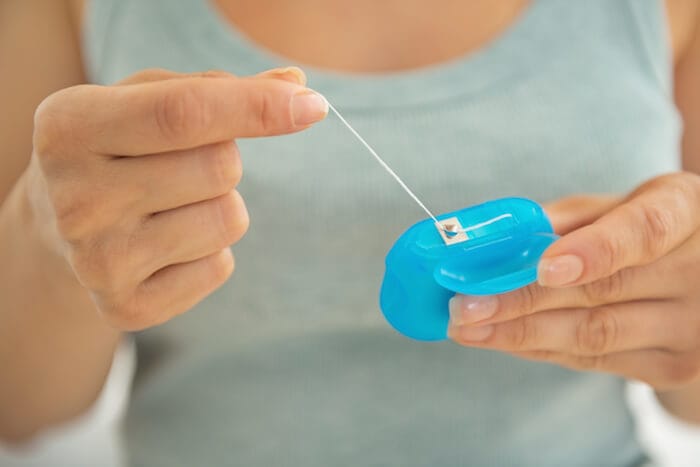
  • Maintain good oral hygiene - brush 2x daily and floss daily.
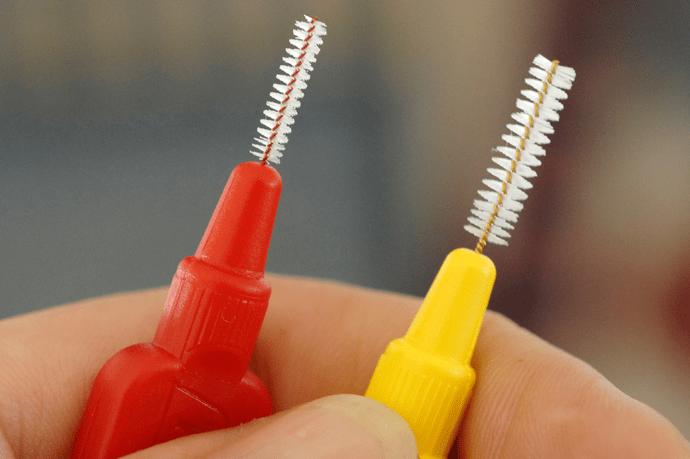
  • Consider using interdental brushes or floss threaders to brush around the bridge.
  • Do not bite hard foods or sticky items with the bridge.
  • Make sure to see your dentist regularly (every 6 months).
  • Call your dentist immediately if you feel loosening or discomfort.
  • Good care can prolong the life of your Maryland Bridge significantly.

Related Articles

Load More Articles

Our Store

Call Us Make an Appointment