 Treatment
Maryland Bridge
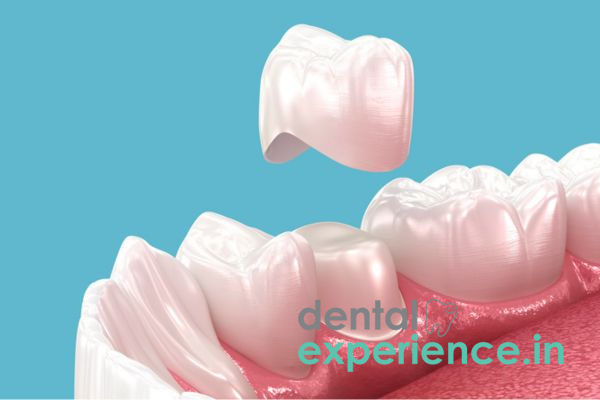
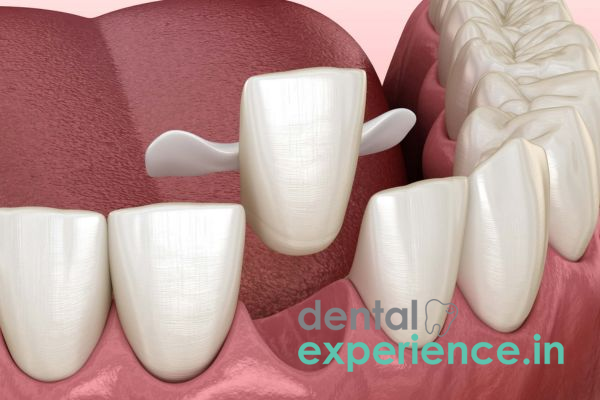
The Maryland Bridge is a conservative dental restoration used to replace missing front teeth. It’s a non-invasive, adhesive solution that preserves natural tooth structure while restoring your smile.
A Maryland Bridge, also known as a resin-bonded bridge or Maryland Crown, is a conservative and minimally invasive dental restoration to replace a missing front tooth (anterior tooth). Unlike a conventional bridge, which uses crowns placed over adjacent teeth, a Maryland Bridge employs wings made of metal or ceramic bonded to the back surfaces of the adjacent teeth. The wings will not require significant preparation of the neighboring teeth. In essence, it finds use when primarily aesthetics and function are concerned. It is a great choice for young patients or those seeking temporary, minimally invasive solutions.
The purpose of a Maryland Bridge is to replace a missing tooth while minimally altering the adjacent teeth. It has particular potential for use when there are healthy teeth adjacent to the missing tooth site, which do not require crowns. The treatment can fulfil both aesthetic and functional roles. The Maryland Bridge helps the patient with their speech, maintain alignment, improve their bite, and aesthetically restore the smile. In cases of young adults, a Maryland Bridge treatment will serve as a temporary prosthesis while they await fixed implant placement once skeletal maturity occurs.
Maryland Bridges are ideal for:
Nonetheless, it is not ideal for patients who exhibit a deep bite, bruxism (teeth grinding), or big space discrepancies.
Maryland Bridges differ primarily by the component material and the design of the wings:
With proper care, a Maryland Bridge can last 5 to 10 years, however, the newer materials have better longevity. Some of the factors that can influence longevity may include the following:
Periodic dental check ups can prolong the life of a Maryland Bridge.
Typically, the entire treatment will be completed in 2 visits over the span of 1 to 2 weeks:
Visit I: consultation, preparation, and impressions.
Visit II: Bonding and placement.
There is very minimal recovery time. Most patients are able to quickly resume normal activities immediately.
The price of a Maryland Bridge in India varies between ₹10,000 and ₹25,000 per unit depending on location and the clinic's facilities, dentist's experience, material (metal or ceramic), number of wings, and complexity of the case. All-ceramic bridges generally run at the higher end as they have an aesthetic property.
Maryland Bridges are usually safe and fairly low risk but they do come with a few risks;








.jpg)
.jpg)
.jpg)
.jpg)

.jpg)
.jpg)
.jpg)
.jpg)
.jpg)
.jpg)
.jpg)
.jpg)