loader

Overdenture

Home› Treatments› Overdenture
Overdenture Treatment
Watch Video
Authored by Dr. Sreeja Aravind
Reviewed by Dr. Seby Varghese

Fast Facts

99% say it's "Worth It"
15000/- to 150000/-
Longevity: Overdentures provide a reasonable service life of between 5-10 years.
Duration: 2 weeks to 6 months.

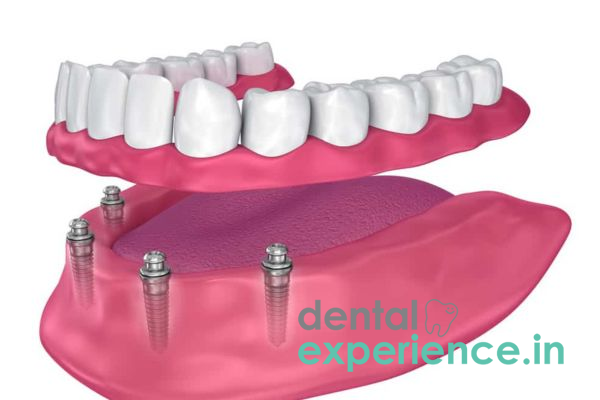
Overdentures are removable dentures that fit securely over remaining natural teeth or dental implants. They offer enhanced stability, improved comfort, and better chewing ability compared to traditional dentures—making them an excellent solution for replacing multiple missing teeth.

Ask Your Question
Share this page
What is an overdenture?

An overdenture is a removable dental prosthesis that is designed to fit over remaining natural teeth, roots, or dental implants. While conventional dentures rest directly on the edentulous ridges (gums)/mucosa, overdentures utilize any remaining anatomic structures to improve stability, retention, and support. This restoration is very important in modern restorative dentistry and is especially relevant for patients that want a functional, affordable, and restorative option for missing teeth.

Why is it needed?

The main goal of an overdenture is to restore function and aesthetics for partially or fully edentulous patients, by:

  • Improving chewing function and speech.
  • Preventing bone loss in the jaws with retained teeth or implant placement.
  • Representing a functional and cost effective alternative to fixed prosthetics.
  • Fostering psychological and social impacts by restoring normal smiles.

For patients dissatisfied with conventional dentures, or are experiencing limited retention of conventional dentures, overdentures offer a functionally better and personalized treatment option.

who should consider it?

Overdentures can be the ideal solution for:

  • Patients who may still have some natural teeth or healing roots, and are partially edentulous.
  • Patients who are fully edentulous and can take advantage of implant-supported overdentures.
  • Patients who have a lot of bone resorption, where conventional dentures would not have the support as well.
  • Patients who want to have a removable, but stable alternative to full-arch implants.
  • Elderly patients who want a long lasting, cost-effective, transition-able dental restoration.

What are the different types?

Overdentures can be classified according to the type of underlying support:

  • Tooth Supported Dentures - supported by modified natural teeth or roots.
  • Implant-Supported Dentures - supported by 2-4 implants in the jaw.
  • Bar-retained - the implants are attached with a metal bar to increase retention.
  • Locator or Ball-retained - Attachments on implants or roots allow snap-fit dentures.

Each overdenture type will be considered based on the patient's oral health, bony support available, and patient budget.

What are the steps involved in the procedure?

The treatment protocol will typically include:

  • Initial consultation and radiographs.
  • Assessment of the remaining teeth or planning of implants.
  • Any modifications for teeth or placement of an implant (if needed).
  • A healing period to allow for the integration of the implant(s).
  • Impressions for denture construction.
  • Trial of denture and adjustments.
  • Final delivery and instructions for the patient.

The treatment time will vary and could take a few weeks to several months depending on whether implants are utilized.

What are the benefits?

Overdentures provide clinical and personal benefits:

  • Better stability and retention.
  • Better chewing and speaking.
  • Retention of jawbone density.
  • Dentures sores and discomforts are reduced.
  • Fit better than traditional dentures.
  • Easily removable for cleaning.

If you have diabetes or are geriatric, overdentures are manageable and less invasive.

What are the advantages?

Why are overdentures better than any other options?

  • Overdentures provide more retention, less movement when chewing or speaking.
  • Provide more support with fewer implants than fixed prostheses, making them more affordable.
  • It is easier to maintain than fixed prosthesis over time.
  • Allow for improved sensory perception as some natural teeth or roots are preserved.
  • They can be made quicker in local dental offices or clinics with CAD/CAM technology.

How long does it last?

Overdentures provide a reasonable service life of between 5-10 years. But the underlying implants or preserved roots typically last longer. The prosthesis itself will require a hard reline or remaking every couple of years although it will be impacted more so, depending on supporting jaw. The use of high-quality materials such as acrylic resin or metal-reinforced base will increase longevity.

How much does the procedure takes?

Treatment timeline depends on the type of overdenture you will need:

  • Tooth supported overdentures: 2-4 weeks.
  • Implant supported overdentures: 3-6 months (which includes the healing time)

Typically a patient will go through anywhere from 3-5 appointments (impressions, try-in and fitting). For more complex cases where implants are involved/restorations the patient may be provided with a temporary denture during the healing process.

How much does it cost in India?

The cost of overdentures in India varies by city, clinic, case complexity:

  • Tooth supported overdentures: ₹15,000-₹30,000.
  • Implant supported overdentures: ₹50,000-₹1,50,000 or more (this includes the cost of the implants).

What are the risks and complications?

Overdentures are a fairly safe treatment but there are potential risks and complications, such as:

  • Irritation to the gum tissues or pressure sores.
  • Implant failure or loosening of the attachment mechanism to the implant.
  • Wear and or breakage of the denture components.
  • Infection if oral hygiene is poor.
  • An allergic reaction to a material from the overdenture (which is rare).

By attending follow-up appointments and having professional cleans, these risks and complications could hopefully stay in check.

What are the disadvantages?

  • They are not as aesthetically natural as a fixed bridge.
  • They will have to be removed and cleaned daily.
  • They will periodically need maintenance or relines.
  • There may be mild discomfort with the adjustments or while speaking.
  • The cost and healing time involved (if surgery is required to have the implant).

The patient must be highly motivated and keep up with their aftercare for a successful outcome.

What are the alternatives?

About overdentures, some alternatives could be considered;

  1. Complete dentures – not very costly, but not as stable. Fixed implant bridges – fixed, but costly and invasive.
  2. Removable Partial dentures (RPDs) – may be possible for people with some remaining teeth.
  3. All-on-4 implant systems – for a full-arch solution, using fewer implants.

All options have benefits and drawbacks relative to a patient's oral condition, age, and finances.

How to care after the treatment?

  • Remove and clean denture daily with mild soap or denture cleaning.
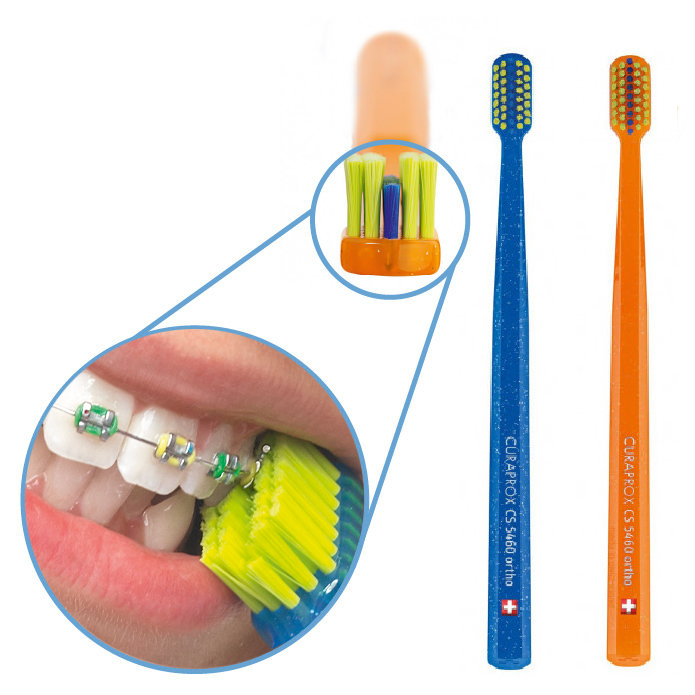
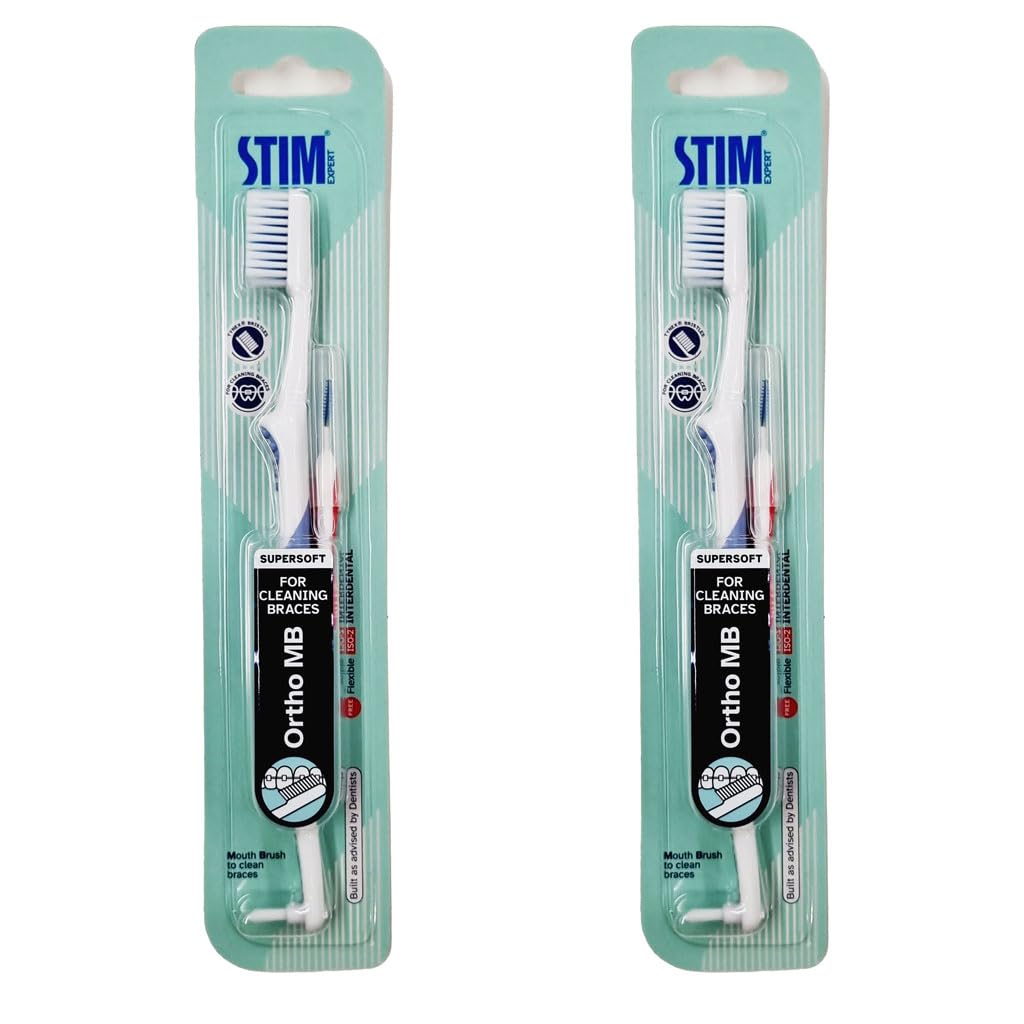
  • Clean and care for the underlying teeth or implant abutments with a soft toothbrush.
  • Use mouthwash, and maintain oral hygiene.
  • Initially avoid hard foods and carry on eating a balanced diet.
  • Regular visits to the dentist every 6-12 months for check-ups and/or professional cleaning.
  • When not in the mouth (sleeping) store the overdenture in clean water to keep shape.
  • Educational instruction of the patient about hygiene and care routine is vital to keep out infections, or to keep the chance of the prosthetic failing to a minimum.

Our Store

Call Us Make an Appointment