loader

Repair of Chipped/ Broken Veneers

Home› Treatments› Repair of Chipped/ Broken Veneers
Repair of Chipped/ Broken Veneers Treatment
Watch Video
Reviewed by Dr. Seby Varghese

Fast Facts

99% say it's "Worth It"
3000/- to 30000/-
Longevity: Composite resin fixes typically have a life of 5 to 7 years, while?complete porcelain veneer replacements can last 10 to 15 years or more. With good aftercare
Duration: 1 or 2 appointments, each lasting about 60–90 minutes.

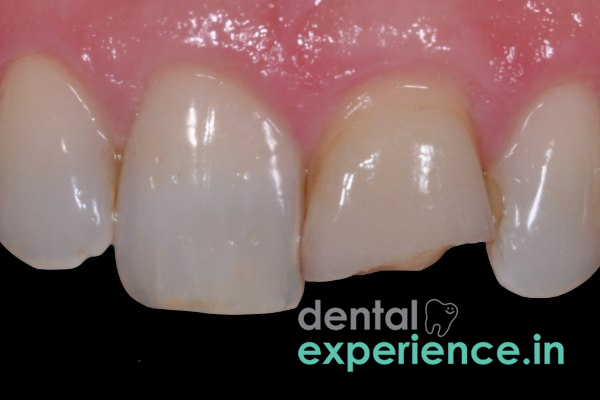
Chipped or broken dental veneers can affect both your smile and confidence. Our expert dentists offer fast, effective veneer repair using high-quality composite materials or, if needed, replacement veneers. Whether it’s a small crack or a larger break, we restore the natural look and function of your tooth in just one or two visits. Preserve your smile with professional veneer repair services tailored to your needs.

Problems Treated with Repair of Chipped/ Broken Veneers

Ask Your Question
Share this page
What is veneer repair?

Veneers are custom-made, ultra-thin shells that are intended to cover the front surface of the teeth, typically made from porcelain or composite resin. Initial goal of veneers is to improve the aesthetic of teeth in cases of discoloration, chips, gaps, uneven shape, or minor misalignment. Veneers are a beautiful, long-term cosmetic option, but they are not indestructible. Like natural teeth, veneers can chip, crack or loosen from trauma, biting hard objects, habitual grinding or general wear and tear.

Why is it important to repair veneers?

There are many important reasons to get chipped or broken veneers repaired. Most importantly, it preserves the tooth’s natural appearance and keeps the structure in place. Not repairing the fracture can cause more damage, exposing sensitive areas of the tooth and increasing pain. Also, cracked veneers may irritate gums, allowing plaque to build up, as well as causing increased tooth sensitivity. However, and more crucially, repairing the damage early allows patients to maintain their smile aesthetics and confidence and is less likely to require full replacements later on.

Who should consider veneer repair?

Not everybody with veneer damage needs a complete replacement. This is great news for these groups who make ideal candidates for veneer repair:

  • Patients with small chips or cracks in their current veneers.
  • Patients with loose veneers that are due to aging adhesive or repetitive trauma.
  • Patients with mild staining or superficial surface damage which only impair aesthetics.
  • Patients who complain of discomfort or tooth sensitivity, which may be due to veneer damage.

What are the different types?

Different methods are available to make good damaged veneers, and the best course of action depends on the extent and type of damage.

  • Composite Bonding - A great solution for small chips or cracks, composite bonding involves adding a tooth-colored resin which can be seamlessly blended with the existing veneer.
  • Rebonding the Veneer – If the chipped portion is intact and free of debris, it can generally be re-attached with dental-grade adhesives.
  • Resurfacing or Polishing – If you have very little damage on the surface, the dentist can perform polishing techniques to smooth out the surface.
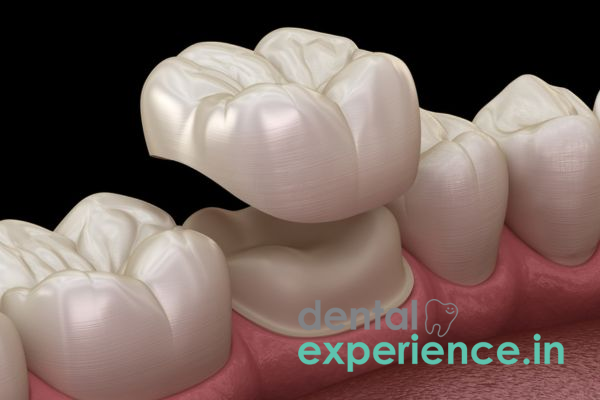
  • Full Veneer Replacement – If you have large fractures, extreme wear, or discoloration that can’t be fixed with bonding, it may be best to create and bond a completely new veneer.

How is the treatment done?

Veneer repairs are meticulous and methodical, it is a process that aims to restore the functionality and aesthetics of the veneer. The steps typically include:

  • Evaluation – The dentist will inspect the involved veneer to evaluate the damage and choose the right repair option.
  • Preparation – Clean the tooth and area around it. Then, if bond is the selected solution, the surface will be roughened for enabled the resin to improved stick.
  • Bonding or Reattachment – A composite resin is applied for bonding and shaped to match the original tooth and cured with a light. When reattachment is performed, the broken piece is secured in its position with dental adhesive.
  • Finishing and Polish – The surface is refined and adjusted to ensure a seamless and natural appearance.
  • Final Assessment – Before completing the treatment, the dentist verifies function, bite alignment, color merging.

What are the benefits of veneer repair?

The advantages of repairing a chipped or broken veneer are:

  • Re-creates natural tooth appearance for an attractive smile.
  • Restores visible damage rewarding even confident people.
  • Avoids complications like sensitivity, irritation, or continued fracturing.
  • More economical, especially when you consider the cost of replacing an entire veneer.
  • Minimal invasiveness and generally don’t require extensive reformation of the state of the tooth or structure.

What are the advantages of veneer repair?

Veneer repair is notably preferred over full coverage situations or other cosmetic methods such as the following:

  • Preservation of the original tooth structure—Repairs typically require minimal alteration to the existing veneer or tooth.
  • Cost – Reparative techniques are generally cheaper than the creation and fitting of a new veneer.
  • Time-saving — Most repairs are carried out in one trip to the dentist.
  • Minimally invasive — Causes little to no discomfort, and often eliminates the need for anesthesia.
  • Rapid recovery – Patients can return to normal activity almost immediately.

How durable are veneer repair?

How long a veneer lasts is determined by the materials used and the patient’s personal oral hygiene. Composite resin fixes typically have a life of 5 to 7 years, while complete porcelain veneer replacements can last 10 to 15 years or more. With good aftercare — including routine dental visits, avoiding hard foods and not using teeth as tools — repairs can last functional and a good aesthetic for many years.

How long does the procedure take?

The repair process is generally very quick. Repairs involving composite bonding or minor reattachment can generally be done in 30 to 60 minutes. More complicated cases — full veneer replacement, for example — will likely require multiple office visits spread out over several weeks while custom veneers are designed and fabricated at a dental lab.

How much does veneer repair cost in India?

Here is how much it costs to repair a chipped or broken veneer in India depending on the type of repair, clinic, location and materials used:

  • Composite bonding repair: ₹3,000 – ₹7,000 per tooth.
  • Reattaching veneers: ₹2,500 – ₹6,000 per tooth.
  • Complete veneer replacement: ₹10,000 – ₹30,000 per tooth

While some premium clinics and patients who opt for high-end materials will be more expensive, there are certainly budget-friendly clinics that deliver excellent and reliable results.

What are the Risks and Complications?

Veneer repair is generally safe, but some risks or downsides might include:

  • Change of bonding material color over time from foods, drinks, and smoking.
  • Less strong of a bond than the original.
  • Poorly shaped or optimally adjusted repair resulting in bite misalignment.
  • Perform damage again if root causes — like tooth grinding — go unaddressed.

Are there any downsides?

Although veneer repair has its advantages, it does have some limitations:

  • This does not last as long as a full veneer replacement.
  • Not effective for heavy damage, which may necessitate full replacement.
  • Composite repairs may show stains or discoloration faster than porcelain.
  • Texture, or feel, slightly different from the original veneer.

What are the Alternatives?

Patients with substantial or chronic problems may be better served by one or more of these alternatives:
  • Full veneer replacement: Best if damage is extensive.
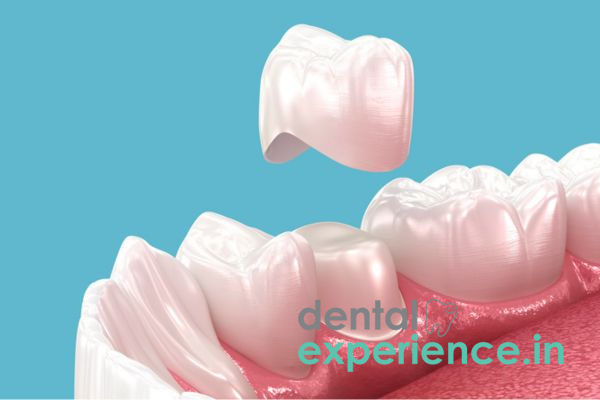
  • Dental crowns: Suitable for structurally weak teeth that require added protection.
  • Dental bonding: Good for small chips or cracks, but not as durable as veneers.

How to care after the Treatment?

  • Brush your teeth twice and floss once a day, everyday.
  • Do not chew on hard things.
  • Have professional cleaning and inspection: Schedule regular dental check-ups
  • If you grind or clench your teeth, wear a nightguard.
  • Avoid staining agents that can darken the teeth such as coffee, red wine, tea and tobacco.

Related Articles

Load More Articles

Our Store

Call Us Make an Appointment