loader

Scaling and Polishing (Cleaning)

Home› Treatments› Scaling and Polishing (Cleaning)
Scaling and Polishing (Cleaning) Treatment
Watch Video
Authored by Dr Ann Mary Mathew
Reviewed by Dr. Seby Varghese

Fast Facts

99% say it's "Worth It"
1000/- to 4500/-
Longevity: Short-term
Duration: 20 minutes

Professional teeth-cleaning involves “scaling and polishing” your teeth: The dentist removes plaque and tartar, as well as stains from coffee, black tea or smoking. You can sometimes feel plaque when you run your tongue over your teeth: The surface of the teeth might feel “furry” or rough. You can remove plaque yourself by regularly and thoroughly brushing your teeth and cleaning the gaps between your teeth. If plaque isn’t removed properly, it can turn into a hard substance known as tartar (calculus). Tartar can only be removed by a dental professional.

Questions & Answers

QWould antibiotic prophylaxis be required for this procedure as I am a heart patient?
QShould I inform my dentist about having a pacemaker before I go in for a cleaning?
QWhat will happen if we don't get our teeth cleaned once in a while? Is it a necessary procedure?
QDoes scaling cause harm to the tooth surface? Why do I have increased sensitivity to hot and cold food/drinks even 3 days after a cleaning?
QWill polishing teeth after scaling cause teeth sensitivity or bleeding gums?
QHow many times in a year do we have to get our teeth cleaned? Does it vary for different people?
Ask Your Question
Share this page
What is Scaling and Polishing?

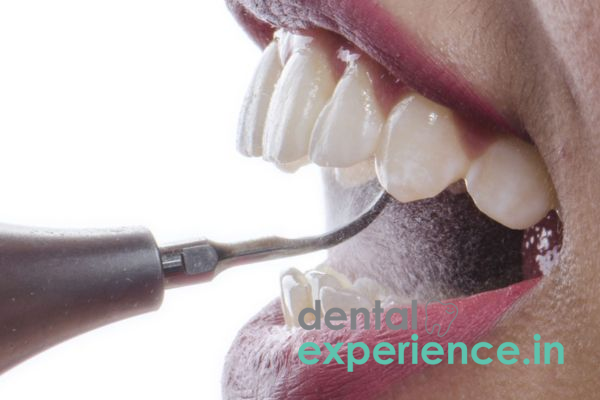
Scaling and polishing is a common procedure which removes plaque and bacteria accumulated on the surfaces of the teeth. The dentist or hygienist will use specialized instruments to remove the built-up plaque and calculus from above and below the gumline and smoothen the ends of the tooth surface so that plaque builds up on it can be prevented in the future and your smile will sparkle. This allows teeth to be healthy for long so that gum diseases can be prevented.

Why is scaling and Polishing needed?

Scaling and polishing is aimed at preventing oral diseases before they happen. The procedure removes harmful plaque and hardened tartar, which helps:

  • Avoid gingivitis and periodontal disease
  • Lower the chances of cavities and tooth decay
  • Minimize bad breath
  • Improve the aesthetic form of teeth

Who Should Consider It?

A wide range of patients should receive regular scaling and polishing, including:

  • People with noticeable plaque or tartar build-up.
  • People with severe gingivitis
  • Patients with early signs of gum inflammation
  • People who have had a history of gum disease
  • Those who want to use them for general oral hygiene as a preventative approach.
  • Children and adults during routine dental check-ups.

What are various types?

Different methods of scaling and polishing are tailored to the specific patient:

  • Supragingival Scaling: This removes plaque and tartar above the gum line that is readily visible.
  • Subgingival Scaling: Focuses on the space beneath the gum line, especially crucial for those with periodontal pockets or more advanced gum disease.
  • Manual vs. Ultrasonic Scaling: Although manual tools provide precision, ultrasonic equipment can break up tartar rapidly and efficiently, using high-frequency vibrations.

How is it Performed?

In general, the scaling and polishing process involves the following steps: Initial Assessment:

  • Clinical Examination: Evaluation of teeth and gums for the extent of plaque and tartar buildup.
  • Scaling: The dental professional uses either hand instruments or an ultrasonic scaler to thoroughly remove plaque, tartar and stains from all tooth surfaces.
  • Polishing: A special polishing paste and a rotating brush are used to smooth the tooth surfaces after scaling. Polishing not only improves aesthetics but also helps reduce future plaque accumulation.
  • Flushing and Fluoride (if needed): A final flush clears out remaining debris, and the fluoride treatment can be applied to strengthen the teeth.

What are the benefits?

Here are some advantages of regular scaling and polishing:

  • Improved Oral Hygiene: The procedure can help remove plaque and tartar and lower the risk of developing gum disease and cavities.
  • Enhanced Appearance: Smoothing the surface of each tooth can also remove debris or stains and make for the appearance of brighter, cleaner teeth.
  • Prevent Bad Breath: A cleaner mouth is less likely to have the bacteria that leads to bad odor.
  • General Health Advantages: The benefits of good oral hygiene can extend to one’s overall health, as oral infections have been connected with systemic diseases.


What make it better than other options?

In comparison to other dental treatments, scaling and polishing is unique for many reasons:

  • Less Invasive: Less invasive than other forms of treatment, allowing for faster recovery times.
  • Cost-Effective Preventive Care: A cost-effective means to support dental well-being, preventing the need for expensive procedures in the future.
  • Convenient and Flexible: Most therapy session last 30 to 60 minutes, relatively shorter and less time-consuming than traditional therapy and this is perfect for anyone with an active lifestyle.
  • Wide Range of Patients: Effective for patients across various stages of dental health, from low levels of buildup, to those at a higher risk for periodontal disease.

How Long Does it Last?

Scaling and polishing have long lasting effects, but their duration would highly depend on personal oral hygiene habits. The key benefits usually continue until the next cleaning, which is typically performed once in every six to twelve months. Regular home care, such as brushing and flossing, can prolong the time between professional cleanings.

How long the procedure?

A typical scaling and polishing normally lasts 30 to 60 mins. The time will vary associated with the amount of tartar buildup and also how many teeth have to be treated. The treatment will typically be a bit longer for those patients with heavy deposits or periodontal conditions. The process is time-consuming, but it is done quickly and has a minimal impact on your daily life.

How much does it cost in India?

The cost depends on the location of the clinic, the doctor's expertise, and the complexity of the treatment.Scaling and polishing can cost anywhere between INR 800 to INR 2000. In metropolitan areas the price may be higher.

What are the Risks and Complications?

Although scaling and polishing is typically safe, possible risks and complications include:

  • Temporary Sensitivity: Some patients experience minor tooth sensitivity in the short term after the procedure.
  • Bleeding Gums: Some minor irritation of the gums or slight bleeding can happen, particularly if the gums are already inflamed.
  • Risk of Infection: While uncommon, improper sterilization of tools may result in infections.

These risks can be minimized if the procedure is performed by qualified dental professionals.

What are the Downsides?

Although there are a lot of benefits associated with scaling and polishing of teeth, it does have some drawbacks.

  • Sensitivity and Irritation: Some patients may feel temporary sensitivity after treatment, or very mild gum irritation.
  • Heavy polishing might wear out the enamel: Over-polishing might wear out a thin layer of enamel if we are not careful.
  • Scope of Treatment: This method is ineffective for patients with advanced periodontal disease requiring more intensive care.

What are the Alternatives?

If you are looking for some alternatives to traditional dental cleaning, you can try:

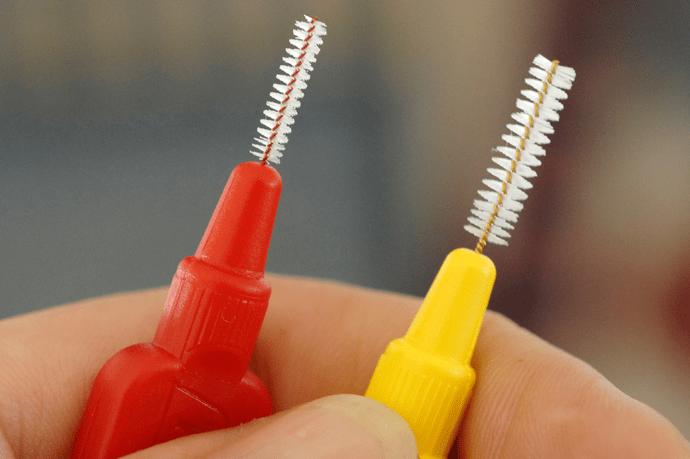
  • Improving Home Care: Brushing, flossing and using antimicrobial mouthwashes can help control plaque at home.
  • Periodontal Therapy: You may be referred for deeper periodontal treatments like root planing or laser therapy for advanced gum disease.

How To Care For Yourself Post-Treatment?

Aftercare is essential to enjoy the benefits of scaling and polishing. Here are a few key rules:

  • Follow Dentist's Instructions: Follow any instructions your dental professional provides after your procedure.
  • No Extreme Cold/Hot: We recommend a few hours without hot or very cold foods and drinks to limit sensitivity.
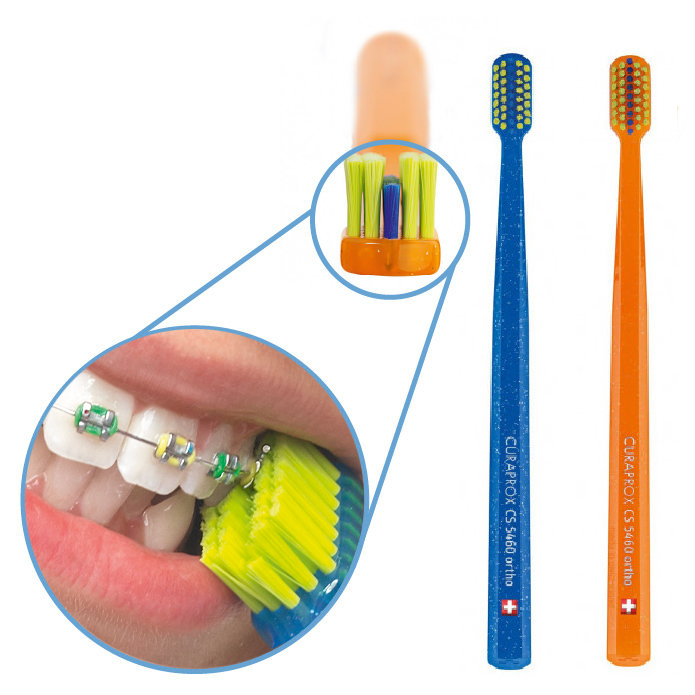
  • Avoid Hard-Bristled Brushes: Use soft-bristled toothbrush to avoid additional irritation to the sore gums while they heal.
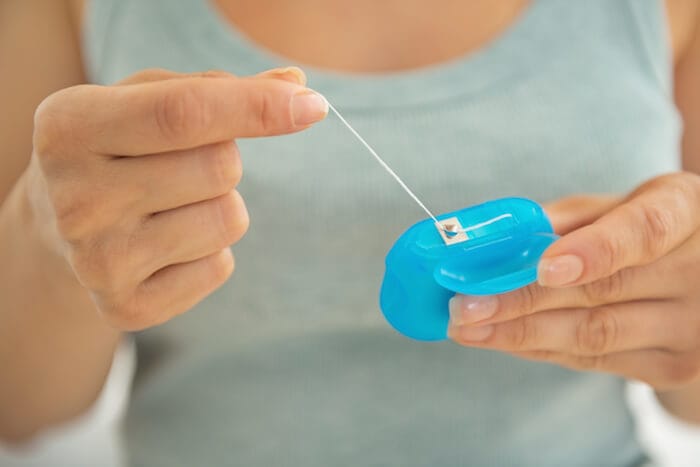
  • Maintaining Oral Hygiene: After the dental cleaning, they will encourage you to brush twice a day and continue flossing to avoid future plaque build-up.
  • Follow-Up Appointments: Follow-up appointments help to address any developing issues in a timely manner.

Our Store

Call Us Make an Appointment