loader

Tooth Pain Management

Home› Treatments› Tooth Pain Management
Tooth Pain Management Treatment
Watch Video
Reviewed by Dr. Seby Varghese

Fast Facts

99% say it's "Worth It"
200-1000
Longevity: Unpredictable
Duration: 15 mts to 1 hour

Tooth Pain Management

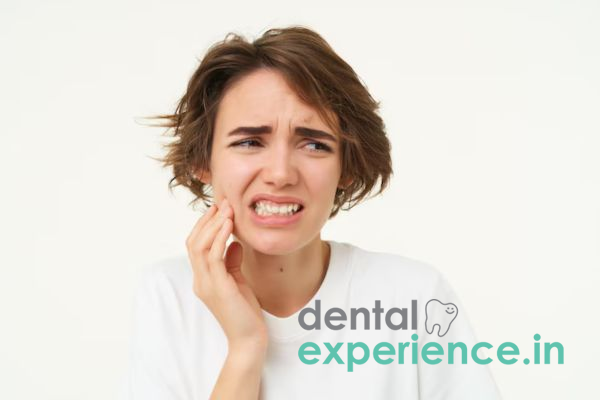
Tooth pain, also known as a toothache, can range from mild discomfort to severe, throbbing pain that interferes with daily activities. Tooth pain management involves identifying the underlying cause and providing immediate and effective relief, followed by long-term solutions to restore oral health.

Questions & Answers

Qtest
QHow to overcome your fear of the dental treatments?
Reply by Dr. cinicadmin
<p> Options are nitrous oxide, oral sedatives,&ensp;or relaxation techniques. Consult with your dentist for&ensp;the most appropriate option.</p>
QWhat are the side effects of dental anesthesia?
Reply by Dr. cinicadmin
<p> Some may become temporarily numb, dizzy or nauseous in the&ensp;process. Serious problems,&ensp;such as allergies, are rare.</p>
QCan I drive after dental sedation?
Reply by Dr. cinicadmin
<p> <span style="font-size: 12pt; line-height: 115%; font-family: Roboto; color: rgb(17, 24, 39); background-image: initial; background-position: initial; background-size: initial; background-repeat: initial; background-attachment: initial; background-o
QIs sedation dentistry covered by insurance?
Reply by Dr. cinicadmin
<p> <span style="font-size: 12pt; line-height: 115%; font-family: Roboto; color: rgb(17, 24, 39); background-image: initial; background-position: initial; background-size: initial; background-repeat: initial; background-attachment: initial; background-o
QWhat home remedies are there for tooth pain?
Reply by Dr. cinicadmin
<p> Clove oil, cold compresses and saltwater rinses can provide temporary&ensp;relief. Get to a dentist if the&ensp;pain persists.</p>
Ask Your Question
Share this page
What is pain management in dentistry?

Pain management in dentistry involves various techniques that keeps patients comfortable and enables dentists to perform the procedures effectively. In contemporary medicine, everything from local anesthesia to sedation is available to patients based on their needs and the complexity of the procedure.

Why is pain management important in dentistry?

Effective pain control is important in:

  • Improving patient experience: The reduction of pain alleviates stress and builds faith in dental treatment.
  • Enhancing the efficiency of preservation procedures: Pain-free patients enable dentists to operate with accuracy.
  • Positive experiences: Leads to regular visits, routine oral care, and a plethora of opportunities to avoid future dental problems.
  • Facilitating quicker recovery: Adequate pain management aids faster healing and minimizes complications after a surgical procedure.

Who needs dental pain management?

  • Patients with anxiety: Sedation options soothe fear and discomfort.
  • People with sensitive teeth: Sensitive agents are used to numb discomfort during routine cleanings and treatments.
  • Patients undergoing extensive dental treatments: Root canal, dental implants, or oral surgeries would require stronger anesthesia for the patients.
  • Children and patients with special needs: Aids in ensuring compliance and positive therapeutic experience.

What are the different types of pain management in dentistry?

Common pain relief methods include:

  • Local Anesthesia: Injected anesthetics (e.g., lidocaine) numb a particular area.
  • Sedation Dentistry: Laughing Gas (Nitrous Oxide): Results in relaxation with a fast recovery.
  • Oral Sedation: Pill-form prescriptions taken ahead of a procedure to decrease anxiety.
  • IV Sedation: Produces deep relaxation for more complex dental procedures.
  • OTC (over-the-counter) medications: Ibuprofen or acetaminophen for mild post-procedure discomfort.
  • Other Techniques: Acupuncture, cold compresses, guided breathing, or relaxation exercises.

How is pain managed during and after procedures?

A systemic approach allows for adequate pain control:

1. Pre-treatment:

  • Consulting to determine medical history and anxiety levels.
  • Choosing the better anesthesia or sedation method.

2. During treatment:

  • Delivering the pain relief option (local anesthesia, sedation or both) selected.
  • Monitoring to see how the patient responds to the treatment.

3. Post-treatment:

  • Prescribing painkillers or suggesting OTC meds.
  • Advising about how to reduce swelling (ice packs, for example) and ensuring appropriate rest.
  • Arranging follow-up visits to monitor recovery.

What are the benefits of proper pain management?

  • Less discomfort: Instant relief before, during and after treatments.
  • Improved recovery: Overcoming pain promotes the healing process.
  • Healthy relations: Builds the trust and loyalty of patients in the clinic.
  • Promotes preventive health: More are unlikely to put off dental work.

How does effective pain management improve dental care?

  • Pain-free dentistry offers long-term benefits for both patients and dentists:
  • Better patient compliance: A comfortable experience leads to more check-ups.
  • More precise procedures: Dentists can maintain concentration better on complex tasks without patient unease.
  • Better reputation: Dental practices that are recognized for being gentler and not negligent in pain management receive more clients.

How long does pain relief last?

The duration of pain relief depends on the method used:

  • Local Anesthesia: 2–4 hours.
  • Nitrous Oxide — Takes effect within minutes and wears off soon after the gas stops.
  • Oral Sedatives: Duration of effect is 4–6 hours.
  • IV Sedation: After IV sedation, you will be able to sleep for a few hours.
  • Prescription Medications: Generally give 6–8 hours of pain relief.
  • OTC Painkillers: Help for 4–6 hours per dose.

How much time does the procedure takes?

Each pain relief method has a different activation time:

  • Local anesthesia: Onset of action—1–2 minutes.
  • Nitrous Oxide: Works in less than 5 minutes.
  • Oral Sedatives: 30–60 minutes to take effect.
  • IV Sedation: relaxed in a matter of seconds.

What is the cost of dental pain management?

The cost of pain management in India varies depending on the method used:

  • Local Anaesthesia: Generally part of procedure fee (₹0–₹500).
  • Nitrous oxide: ₹1,000-₹3,000 per session.
  • Oral Sedation: ₹2,000–₹5,000 per session
  • IV Sedation: ₹5,000–₹15,000 per session.

While these costs are widespread, note that many dental insurance plans cover a portion of them, particularly for necessary treatments.

What are the Risks and Complications?

Although the game is generally safe, there are some risks, including:

  • Allergic reactions: Anesthesia or medications can occasionally cause allergic reactions.
  • Nausea or dizziness: Frequent side effects of sedation.
  • Nerve damage: Local anesthesia injections carry an extremely rare but potentially serious risk of nerve damage.
  • Overmedication: Averted through prudent dosing by skilled practitioners

Are there any downsides to pain management techniques?

While it has many benefits, there are a few limitations:

  • Temporary numbing: May make eating and drinking challenging after the procedure.
  • Costs: Sedation dentistry can be costly, particularly if they don't fall under your insurance coverage.
  • Side effects: Drowsiness, dizziness or mild forms of nausea.

What are the Alternatives?

  • Holistic ways to manage dental pain
  • Clove oil: Natural antiseptic and numbing agent
  • Cold compresses: These may ease swelling and relieve pain.
  • Relaxation techniques: Guided breathing will help ease dental fear.
  • Acupuncture: Some studies show it can help with pain relief.

How To Care For Yourself Post-Treatment?

Here are some tips for optimal recovery

  • Rest: Do not do anything strenuous for at least 24 hours.
  • Medications: Take pain relief medication as prescribed.
  • Maintain oral health: Rinse gently with salt-water; no hard brushing
  • Diet: Avoid hard foods that may cause irritation.
  • Follow-up appointments: Visit for check-ups to ensure proper healing.

Related Articles

Load More Articles

Our Store

Call Us Make an Appointment