loader

Fluoride Treatments

Home› Treatments› Fluoride Treatments
Fluoride Treatments Treatment
Watch Video
Reviewed by Dr. Seby Varghese

Fast Facts

99% say it's "Worth It"
600/- to 4500/-
Longevity: Short Term
Duration: 20 minutes

Strengthen Your Teeth and Prevent Cavities with Professional Fluoride Therapy

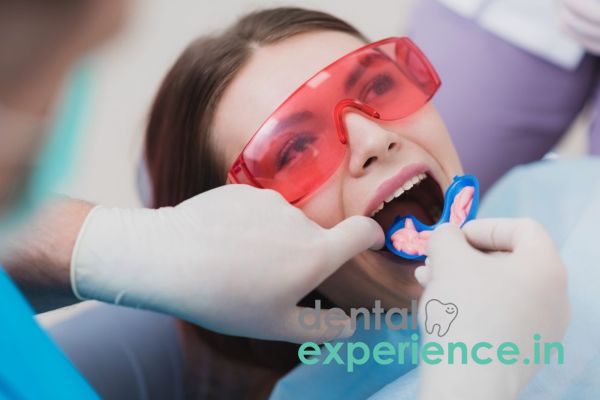
Fluoride treatment is a quick, non-invasive preventive dental procedure that helps protect and strengthen teeth against decay. This professional-grade fluoride is applied as a gel, foam, or varnish during your regular dental visit, offering extra protection—especially for children, teens, and adults at high risk for cavities.

Problems Treated with Fluoride Treatments

Ask Your Question
Share this page
What is Fluoride treatment?

Fluoride treatment is the process of applying fluoride, a naturally occurring mineral, to the teeth to make the enamel stronger and help prevent cavities. It is one of the most popular preventive procedures in the field of dentistry and can be performed on both children and adults. Fluoride aids in remineralization of tooth enamel so that it holds up against acid attacks caused by bacteria and sugars in the mouth.

What is the need of Fluoride treatment?

Fluoride treatment serves the main goal of preventing tooth decay and strengthening enamel. Tooth decay is one of the most prevalent chronic diseases globally, despite advancements in dental care. Fluoride helps by:

  • Rebuilding weakened enamel which slows the loss of minerals from tooth enamel.
  • Counteracting early signs of decay.
  • Preventing the proliferation of bad oral bacteria.

Fluoride is particularly important for people living in areas with low fluoride levels in drinking water, like certain parts of India, to make up for the lack of natural fluoride exposure.

Who should get Fluoride treatment?

Fluoride treatment is effective for many people, including:

  • Children and teenagers: Their developing teeth are more susceptible to decay.
  • Adults with history of cavities: Those more likely to have decay because of diet, dry mouth or poor oral hygiene.
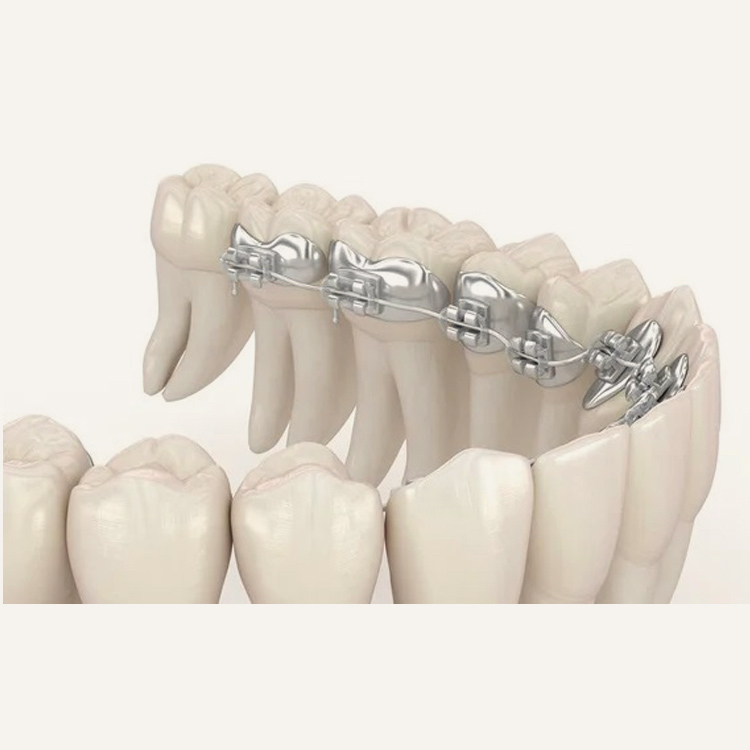
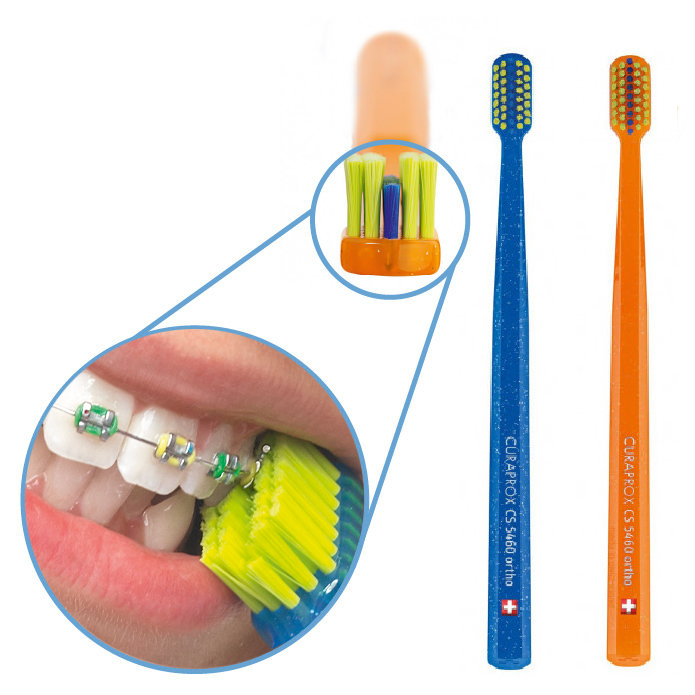
  • Patients wearing braces: When braces are on, cleaning teeth becomes challenging, leading to increased risk of decay.
  • Older adults: Gum recession is more common as we age, exposing the root surfaces of the teeth, which can be more prone to decay.
  • Individuals with medical conditions: Medical issues like diabetes or eating disorders increase the likelihood of dental problems.

What are the types of Fluoride Treatment?

There are multiple types of fluoride treatment.

  • Professional in-office treatments: (Fluoride Varnish, Gel or Foam): These are applied by dentists. They have a stronger concentration of fluoride and they are beneficial right away.
  • At-home treatments: Over-the-counter fluoride toothpaste, mouth rinses and daily-use prescription-strength gels.
  • Fluoridation of community water supplies: In some areas, fluoride is added to the public water supply for use of the whole population.

How is Fluoride treatment done?

The professional fluoride treatment process is fast and painless:

  • Cleaning: The dentist cleans your teeth to remove plaque and debris.
  • Fluoride application: Fluoride is applied with a brush, tray, or swab.
  • Drying: The fluoride is allowed to sit, to penetrate into the enamel for a few minutes.
  • Aftercare: Patients are asked not to eat or drink anything for 30 minutes post-treatment to ensure maximum absorption.

What are the benefits of Fluoride treatment?

Benefits of fluoride treatment are many:

  • Prevents cavities: 30% decrease in the decay of teeth.
  • Strengthens enamel: White Brushing with fluoride makes the teeth more resistant to acid and bacteria.
  • Reverses early decay: Can reverse small cavities before they become large.
  • Cost-effective: Less costly compared to the treatment of advanced decay.

Why is Fluoride treatment is a better option?

  • No surgery: There is no drilling or need for anesthesia.
  • Fast: Next steps (if any) are also just a few minutes away.
  • Universal: All age groups and dental situations.
  • Lasts longer: Two to 12 + months of protection depending upon the level of treatment used.

How long the effects of Fluoride treatment last?

The length of time that professional fluoride treatment is effective depends on patient hygiene and diet and can last for several months. Treatments are recommended every 3, 6, or 12 months depending on your risk factors, says the dentist.

How long is the Fluoride treatment procedure?

Typically, the fluoride application will only take around 10–15 minutes. Patients do not have downtime and can return to normal activities right away.

What is the cost of Fluoride treatment in India?

Depending on the type and location, fluoride treatment costs in India vary.

  • Fluoride Varnish: ₹500–₹1,500 each sitting.
  • Fluoride Gel or Foam: ₹300–₹1,000 per session.
  • At-Home Products: ₹100–₹500 for toothpaste or mouthwash.

Costs can vary depending on the location of the clinic, the dentist's experience, and the patient's particular needs.

What are the Risks and Complications of Fluoride treatment?

Fluoride therapy is quite safe but too much fluoride can result in:

  • Dental Fluorosis: White flecks in teeth (mostly in children).
  • Skeletal Fluorosis: Rare and caused by long-term overexposure.
  • Allergic Reactions: Extremely rare but possible.

Are there any downsides to Fluoride Treatment?

Although fluoride treatment is extremely effective, it has some limitations:

  • Temporary: Needs to be reapplied after a specific time.
  • Not a permanent solution: Should be used in conjunction with proper oral hygiene.
  • Taste: You might not like the taste of fluoride products.

What are the Alternatives?

Alternatives for those who are not able to get fluoride treatment are:

  • Dental Sealants: Thin plastic coatings that are applied to the chewing surfaces of teeth.
  • Xylitol Products: Chewing gums or mints that decrease cavity-forming bacteria.
  • Calcium Phosphate Treatments: less effective than fluoride but helpful to remineralize teeth.

How To Care For Yourself after Fluoride Treatment?

To reap the benefits of fluoride treatment as much as possible:

  • After the procedure, do not eat or drink for 30 minutes.
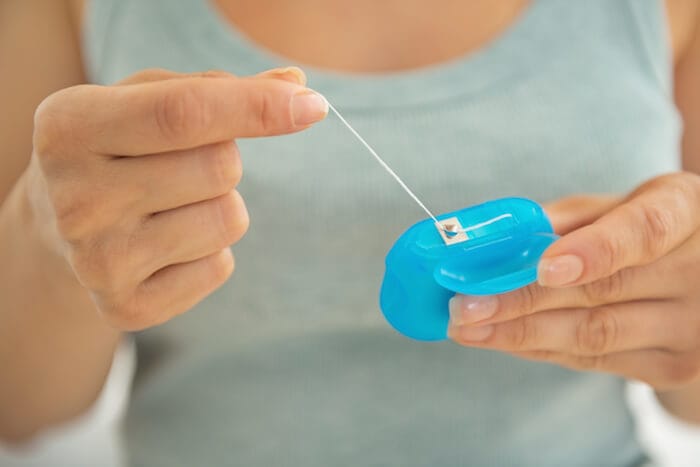
  • Brush twice per day and floss regularly.
  • Use fluoride toothpaste and mouth rinse in appropriate amounts as prescribed by your dentist.
  • Avoid sugary and acidic foods that can erode enamel.
  • Regular dental check-ups to assess oral health.

Related Articles

Load More Articles

Our Store

Call Us Make an Appointment