loader

Metal Free Dental Bridges

Home› Treatments› Metal Free Dental Bridges
Metal Free Dental Bridges Treatment
Watch Video
Reviewed by Dr. Seby Varghese

Fast Facts

99% say it's "Worth It"
35000/- to 150000/-
Longevity: Long-term
Duration: 30 minutes (2-3 sittings)

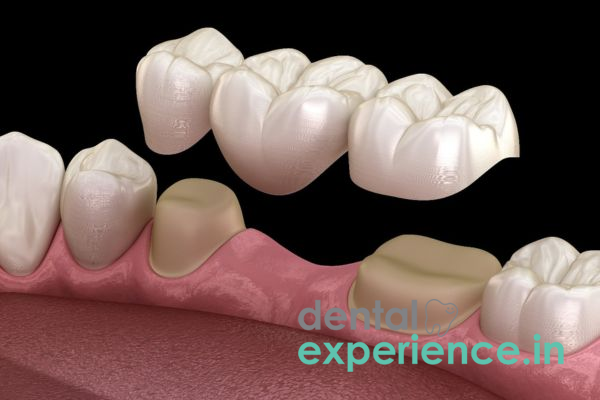
Metal Free Dental Bridges are advanced dental restorations designed to replace one or more missing teeth without using metal components. Made from high-quality ceramic or zirconia materials, these bridges offer a natural-looking, durable, and biocompatible solution for restoring your smile and bite function. Because they contain no metal, metal free bridges are ideal for patients with metal allergies or those seeking a more aesthetic, translucent finish that mimics natural teeth.

Questions & Answers

QCan the bridge be removed once fixed? What to do If my bridge falls off or breaks off? Can the same bridge be fixed again or I will have to get a new bridge? Do you provide a warranty for the bridge?
QHow much does a 3-tooth metal free bridge cost in Kochi, Kerala? What are its advantages over a porcelain fused to metal bridge?
Ask Your Question
Share this page
What are metal free Dental bridges?

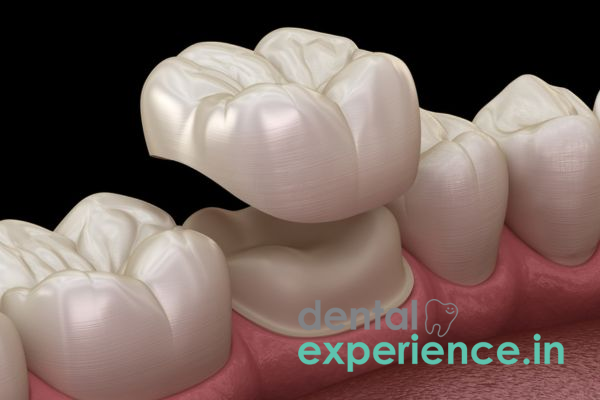
Metal-free dental bridges are a modern option to replace natural missing teeth whilst looking natural and functioning. These bridges are made with high-quality ceramic or zirconia, ensuring exceptional aesthetics and biocompatibility — unlike traditional metal-based bridges. Metal-free bridges are highly significant in modern dentistry since they are a long-lasting and more aesthetically appealing solution for patients who wish to restore their smiles without compromising on looks.

Why Is It Needed?

Metal-free dental bridges are designed to replace missing teeth without compromising on aesthetics or oral hygiene. These bridges help in:

  • Restoring functions of speech and chewing.
  • Stopping neighboring teeth from drifting out of position.
  • Improving facial appearance and self-esteem.
  • Providing a metal-free biocompatible option for patients with metal allergies.
  • Ensuring endurance and stability over time.

Who Should Consider It?

Metal-free dental bridges are recommended for:

  • Patients with single or multiple missing teeth who wish for an aesthetically pleasing replacement.
  • Patients who are allergic or sensitive to metals.
  • Those seeking a natural-looking, biocompatible approach.
  • Users who want to avoid the greyish undertone of conventional metal winged bridges.
  • Individuals who need a vibrant, robust, and permanent alternative tooth.

What are the various types?

Types of Metal Free Dental Bridges include:

  • Zirconia Bridges - Very strong and still aesthetically pleasing making them great for either the front or back teeth.
  • E-max (a.k.a. Lithium Disilicate) Bridges – If you are looking for translucency and aesthetics that are the best in the field, especially for your front teeth.
  • All-Ceramic Bridges – These bridges are made entirely from ceramic materials, allowing you to have a restoration that closely resembles your natural teeth.
  • Resin-Bonded Bridges (Maryland Bridges) – A less invasive alternative using adhesive techniques instead of crowns on neighboring teeth.

How is it done?

  • Dental Exam & Treatment Recommendation – The dentist evaluates the oral condition, takes X-rays if necessary, and recommends a treatment plan.
  • Tooth Preparation – The teeth on either side of the gap are reshaped to create the foundation for the bridge.
  • Impressions & Digital Scanning – A mold or digital scan is taken to ensure a perfect fit for the custom bridge.
  • Temporary Bridge Placement – Healing abutments are implanted and then a temporary bridge is placed over the same area to protect the teeth while the permanent bridge design is being fabricated.
  • Bridge Fabrication — Your dental lab creates and fabricates the custom metal-free bridge.
  • Final Placement & Adjustment – This involves cementing and adjusting the permanent bridge to ensure that it is comfortable and functional.
  • Follow-up & Aftercare – The dentist gives care instructions and follow-up visit plans.

What are the benefits?

  • Aesthetics superior with a natural tooth-like appearance.
  • Metal allergies or sensitivities are out of the question.
  • Gums are hardly irritated due to biocompatibility.
  • Made of sturdily built materials for durability.
  • Stain-resistant material that is easy to clean.

Why is it superior to other alternatives?

  • Better cosmetic because no metal back bridges.
  • Eliminates any possibility of corrosion of metal parts and associated health issues.
  • Adapts naturally and smoothly in the mouth.
  • Minimally invasive options, such as resin-bonded bridges, preserve more tooth structure.
  • Ideal for those who want a fully metal-free option.

How durable are metal-free dental crowns?

Metal-free dental bridges can last between 10 to 20 years; with the right care. Some of those factors include the type of food you consume, oral hygiene, and how regular you are for dental check-ups.

How long does it takes to perform the procedure?

Depending on the complexity of the case, the whole process typically occurs over two or three appointments over the span of 1-2 weeks. Digital scanning and CAD/CAM technology might shorten the overall treatment time.

What is the cost of metal free dental crowns in India?

The free dental bridge cost depends on material type, clinic location, and dentist’s experience. On average the cost ranges from:
  • Zirconia Bridges: ₹ 15,000 – ₹ 40,000 per unit.
  • E-max bridges: ₹12,000 – ₹30,000 per unit.
  • All ceramic: ₹10,000 – ₹25,000 per unit.

Are there any downsides?

  • Higher cost compared to traditional metal-based bridges.
  • Not always suitable for heavy bite force areas (back molars in some cases).
  • Requires healthy, adjacent teeth for support.
  • Will need periodic adjustments.

What are the Alternatives?

  • Conventional Metal-Ceramic Bridges – Inexpensive but might lead to aesthetic issues.
  • Dental implants – These are a more permanent option but involve surgery and are more expensive.
  • Removable Partial Dentures – Less invasive but not as stable and comfortable.
  • Resin-Bonded Bridges – A conservative alternative for selective situations.

How To Care For Yourself Post-Treatment?

  • Brush your teeth twice a day regularly and floss at least once a day.
  • Steer clear of hard foods that can put stress on the bridge.
  • Visit the dentist every 6 months for a check-up.
  • Do not use abrasive toothpaste as it will wear the ceramic surface.
  • Follow your dentist’s advice for ongoing upkeep.

Related Articles

Load More Articles

Our Store

Call Us Make an Appointment