loader

Oral Hygiene Instructions

Home› Treatments› Oral Hygiene Instructions
Oral Hygiene Instructions Treatment
Watch Video
Authored by Dr. Sreeja Aravind
Reviewed by Dr. Seby Varghese

Fast Facts

99% say it's "Worth It"
200/- to 500/-
Longevity: Following oral hygiene instructions closely can?have a lasting effect.
Duration: 15 to 30 minutes

Oral hygiene instructions are personalized guidelines provided by dental professionals to help patients maintain healthy teeth and gums. Covering proper brushing, flossing, and mouthwash use, these instructions prevent plaque buildup, cavities, and gum disease. Essential for long-term oral health and effective home care routines.

Ask Your Question
Share this page
What are Oral Hygiene Instructions?

Oral hygiene instructions are tailored recommendations from a dental professional on how best to care for your teeth and gums. They include the best practices for brushing, flossing, using mouthwash, and other preventative measures that are part of a modern dentistry practice. In addition to these instructions being integral to the reduction of plaque accumulation and prevention of periodontal disease, oral health education is vitally important to patients as it impacts their systemic health.

Why Is It Needed?

Oral hygiene instructions are always helpful in making patients understand and achieve how to keep their teeth and gums healthy and functioning. These best practices help individuals avoid common dental problems like cavities, gingivitis and periodontitis. Besides, sound oral hygiene contributes to ensuring sound health as it can help keep complications at bay impacting systemic diseases like diabetes and cardiovascular disorders.

Who needs Oral Hygiene Instructions?

Everyone, yes even the children and adults, and seniors need oral hygiene instructions.

  • Kids and Teens: Getting the right techniques down helps establish lifetime habits.
  • Older Adults: Dentures and broken teeth can lead to complications that can be avoided.
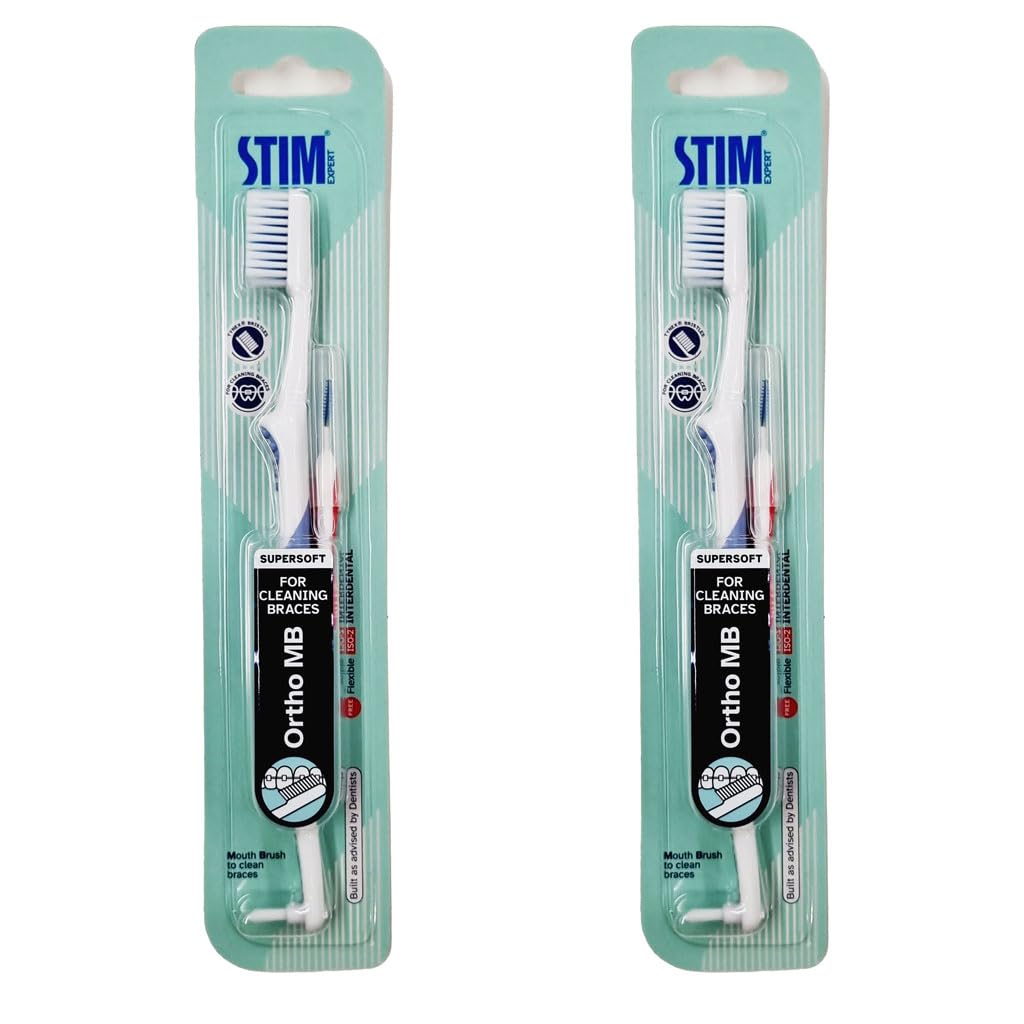
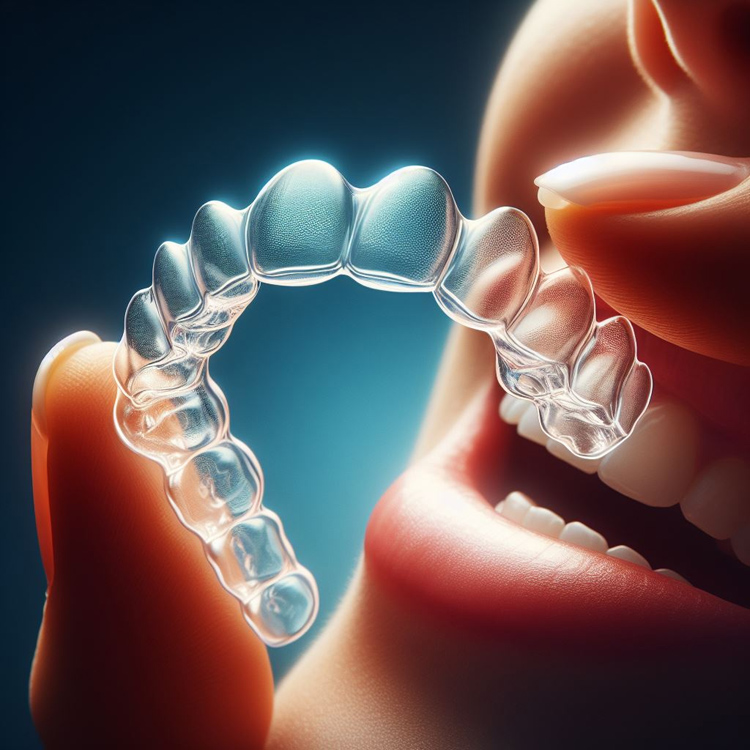
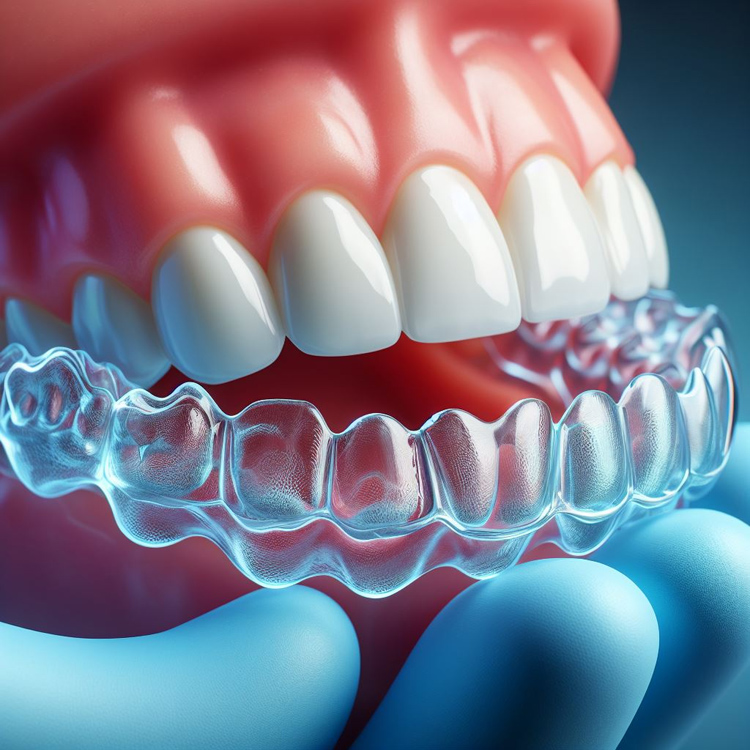
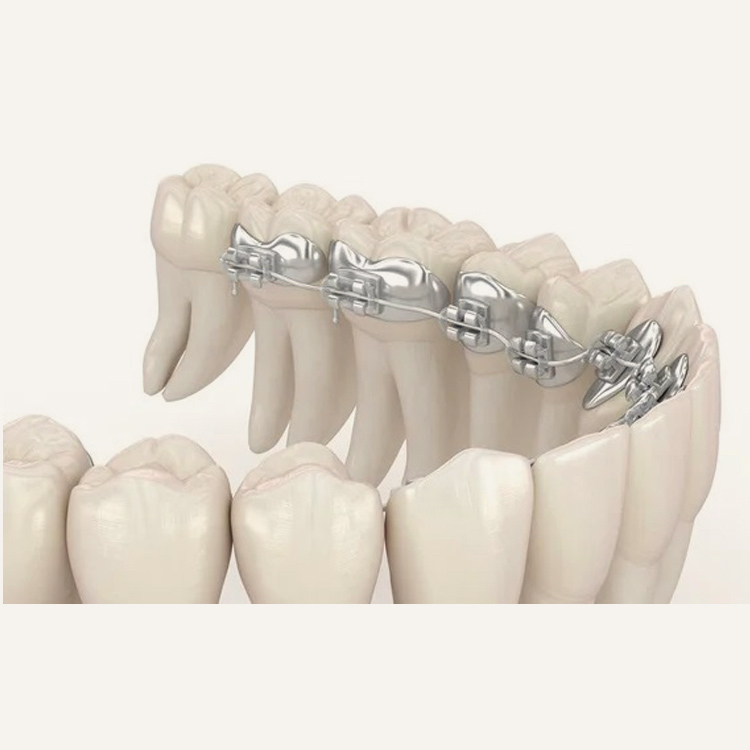
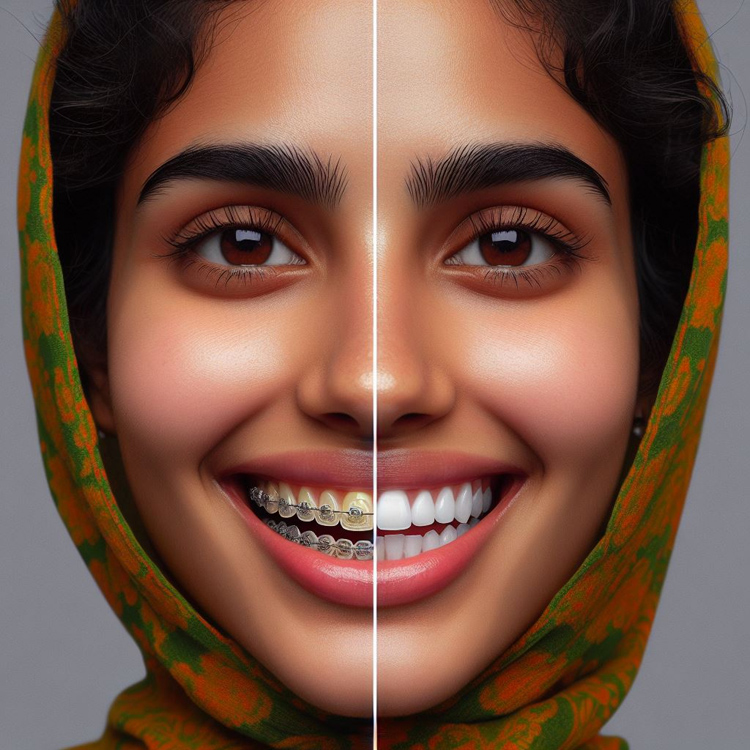
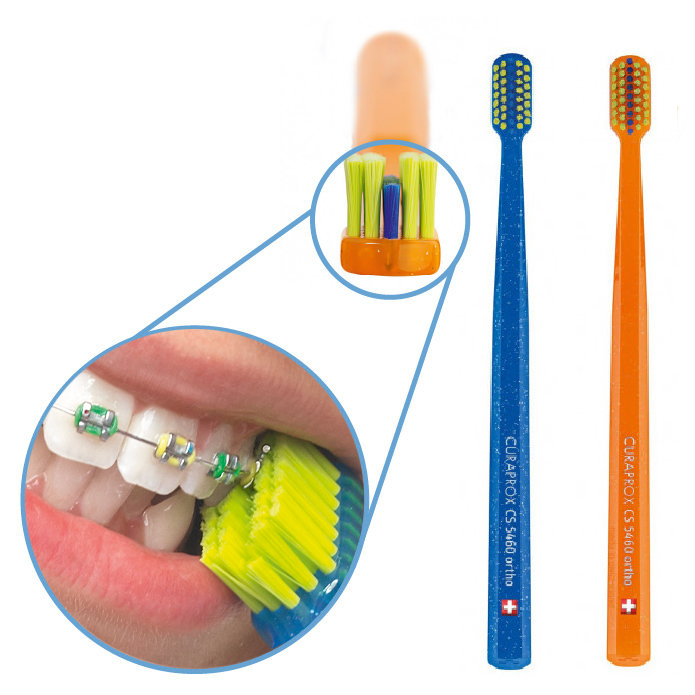
  • Patients with Orthodontic Appliances: Braces and aligners need special cleaning methods.
  • People who have Diabetes or Gum Diseases: Personal oral care can assist in controlling and reduce these conditions.

What are the Different Types?

Oral health conditions and needs vary from individual to individual which makes it possible to personalize such instructions accordingly. The main types include:

  • Basic Oral Hygiene: Standard brushing and flossing techniques for everyday care.
  • Advanced Techniques: Advanced methods for dental restoration, implant, periodontal, or ortho patients.
  • Diet and Lifestyle Counseling: Advice on nutrition and behaviors that influence oral health.
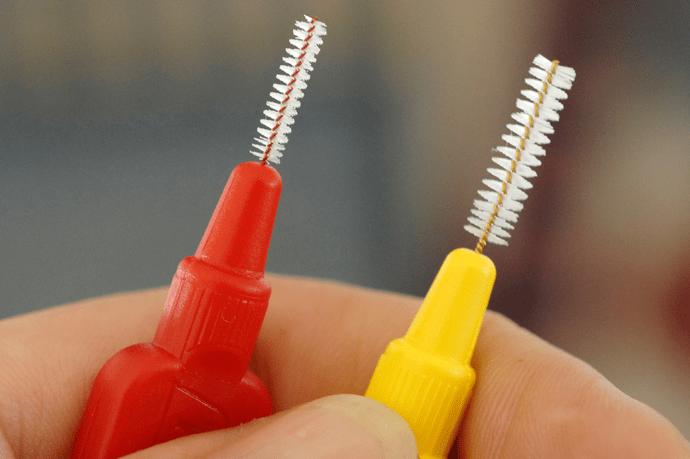
  • General advice: Advice on using different types of dental care products, such as electric toothbrushes, interdental brushes and mouthwashes.

How is it Performed?

Oral hygiene instruction is an interactive process that generally includes:

  • Initial Evaluation: The dentist assesses the patient's oral health.
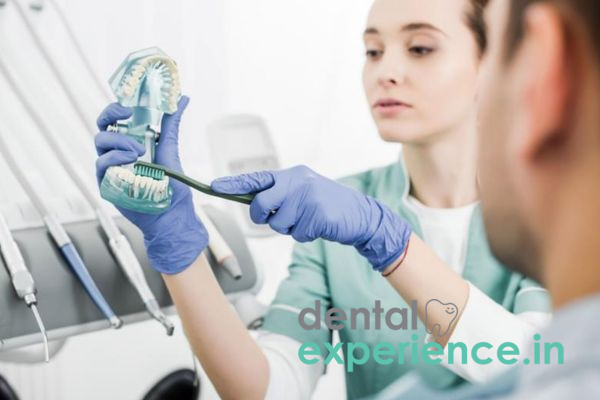
  • Demonstration: Instructors use visual aids to explain the process and importance of oral hygiene.
  • Tailored Recommendations: Recommendations are customized based on the patient's dental history, current condition, and lifestyle.
  • Product Selection: Tips for choosing the best toothbrush, toothpaste, floss, and other oral care products.
  • Follow-Up: Follow up regularly to provide reassurance that the patient is following the directives correctly & to alter directions when necessary.

What are the benefits?

Following instructions for thorough oral hygiene brings many advantages, including:

  • Better Oral Health: Less plaque, cavities, and periodontal disease.
  • Improved Appearance: A whiter appearance and fresher breath make for a confident smile.
  • Preventive Care: Potential problems are recognized early and treated before they become serious.
  • Cost: Keeping up with dental care can prevent costly procedures down the road.
  • General Health: Maintaining good oral hygiene contributes directly to having overall good health and reduces the risk of systemic diseases.

What make it better than alternate options?

Professional oral hygiene instruction benefits patients compared to self-directed or generic advice:

  • Personalization: Customized directions focus on their dental problems and on their lifestyles.
  • Expertise: Dentists possess researched-based strategies to bring you and your smile up to date.
  • Preventative Approach: Consultations provide a preventative approach, unlike home over-the-counter solutions.
  • Enhanced Compliance: Following this up with personalized solutions and demos ensure adherence to recommended practices.
  • Holistic Perspective: Connects general health with oral health & improved systemic well being.

How Long Does it Last?

Following oral hygiene instructions closely can have a lasting effect. The benefits, when patients live these guidelines in their daily lives, may accrue indefinitely. But to keep these benefits you need to practice regularly and also some kind of refuting each so often. Maintenance sessions and periodic dental check-ups help keep the patient aligned with the initial goals and enables the dentist to identify changes to dental health as needed.

What Is the Duration of the Procedure?

On Average an Oral Hygiene Instruction takes 15-30 minutes depending on the Patient and the Complexity of Oral health problem. These sessions are typically woven into a normal dental visit, so they're really convenient for both first-time and recurring patients. If more education or demonstration is needed, follow up sessions can be scheduled.

How much does it cost in India?

Oral hygiene instructions in India is provided as a part of a dental consultation or routine dental check-up. This usually means the cost is covered by the overall treatment fee. More extensive or specialized instructional periods may also vary widely, depending on the complexity of the case and the level of expertise of the provider.

What are the Risks and Side Effects?

Oral hygiene instructions themselves do not carry very much risk. Nonetheless, if failing to follow the dentist's instructions, the plaque can still be built up and cause gum inflammation. Moreover, improper self-application of techniques (for example, brushing too forcefully) may result in gum recession or dentin hypersensitivity. So patients really need to listen to the direction closely and go back to the dental professional if they are unclear on something.

Are there any downsides?

Although there are many benefits to professional oral hygiene instructions, there can also be some drawbacks:

  • Information Overload: Some patients may feel overwhelmed by detailed instructions.
  • Confusion: Users may be confused about how to use the suggested strategies.

Over time, as the novelty of change wanes, compliance can be an issue with such diets, so a marked decline with oral hygiene regimes may ensue.

What are the Alternatives?

  • Self-Guided Research: Searching for articles and videos on tips for taking care of your teeth is an option, but these might not be very specific to your situation.
  • Over-the-Counter Solutions: Using pre-packaged dental products without customized guidance.
  • Peer Advice: Learning from friends or family members, which may not always be scientifically sound.

How to look after yourself post treatment?

Here are few key aftercare guidelines:

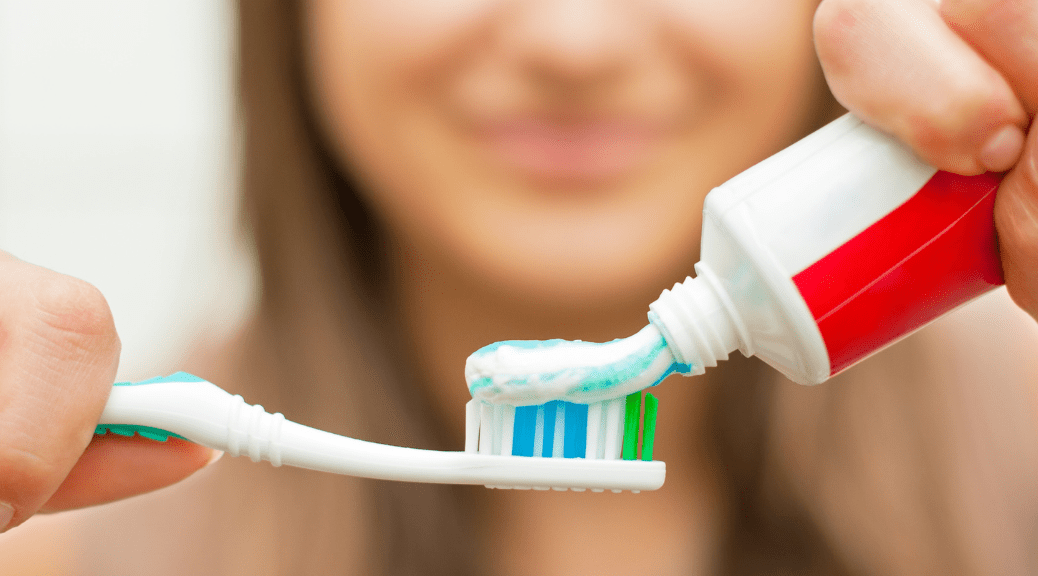
  • Brushing: Brush your teeth two times a day using a soft-bristle toothbrush with fluoride toothpaste.
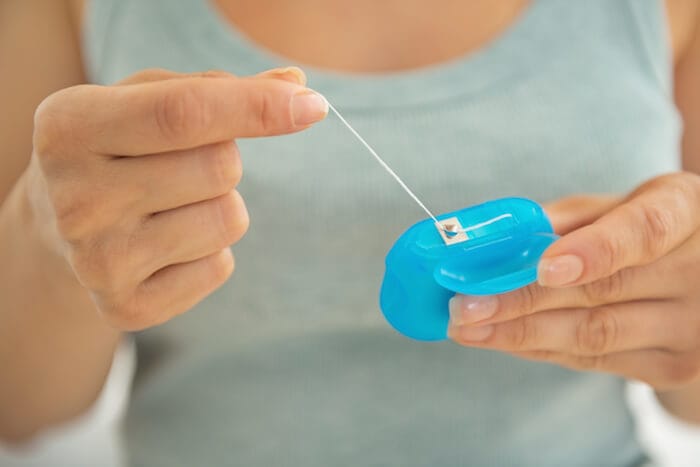
  • Flossing Once a Day: Move between your teeth with an edge of plaque and food residue.
  • Use Mouthwash: Choose an antimicrobial or fluoride mouthwash to promote gum health.
  • Nutritional Needs: Reduce the number of sweets and high-acid foods that can destroy tooth enamel.
  • Routine Check-Ups: Visit the dentist every six months or as recommended to ensure oral well-being.
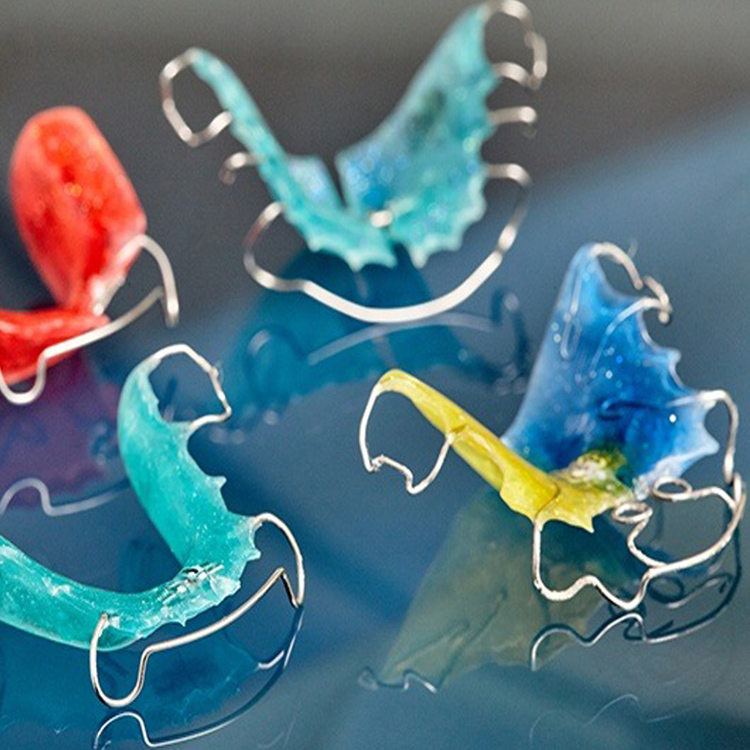
  • Special Follow Up: If you have custom-made dental appliances or other conditions, follow any added instructions from your dental provider. 

Our Store

Call Us Make an Appointment