loader

Palatal Expanders (Rapid/Slow)

Home› Treatments› Palatal Expanders (Rapid/Slow)
Palatal Expanders (Rapid/Slow) Treatment
Reviewed by Dr. Seby Varghese

Fast Facts

99% say it's "Worth It"
15000/- to 35000/-
Longevity: Retention phase can take about 6 months and is based on stability. With proper care, the appliance remains functional throughout this period.
Duration: The initial placement takes 30 - 45 mins. The duration of expansion and retention phases are 4 to 8 months.

Palatal Expanders (Rapid/Slow)

Palatal expanders are custom-made orthodontic devices used to widen the upper jaw (maxilla) gradually. This treatment creates more space in the mouth by separating the mid-palatal suture, improving bite alignment and helping to correct issues like crossbites, crowding, and impacted teeth.

Questions & Answers

QLas fotos de la expedición muestran los puntos de agua — sin pretensiones innecesarias. [url=https://iqvel.com/es/a/Turqu%C3%ADa/Palacio-de-Topkapi]conocer Palacio de Topkapi[/url] ¡Qué entretenido caso de turismo! ¡Continúen
QHow much would it cost ? i did have braces(for 2 years) about 5 years ago but i wasnt consistent on the retainers after it . so gradually my upper palate/jaw became narrow . also the dentist had removed 4 of my tooth back the
Ask Your Question
Share this page
What are Palatal Expanders?

Palatal expanders are orthodontic appliances intended to expand the child's maxilla (upper jaw) when the jaw itself is growing. They are used in pediatric interceptive orthodontic therapy and are utilized to fix skeletal problems with the upper jaw or the  palate, prior to the eruption of the permanent teeth. Interceptive orthodontics is advantageous to create adequate space within the dental arch, establish a functional bite, and decrease more complicated and costly treatment in the future.

Why is it needed?

Palatal expansion is primarily needed for crossbites, narrow arches, crowding and/or airway concerns resulting from a narrow upper jaw. Palates can be expanded in the early formative years, which allows the orthodontist to create sufficient space for the permanent teeth to erupt correctly. In some instances, palatal expansion can open airflow through the nasal cavity and reduce mouth breathing and sleep disordered breathing in children.

Who Should Consider It?

The best candidates for palatal expansion are children, typically in the ages of 6-13 (mixed dentition years). Consider the indications:

  • Posterior crossbite.
  • Narrow upper jaw.
  • Dental crowding.
  • Impacted permanent teeth.
  • Breathing or speech problems related to a narrow palate

In most instances, the orthodontist will indicate treatment at the initial evaluation appointment, especially if there is a functional concern or an aesthetic issue.


What are the different types?

There are two main types of palatal expanders:

  • Rapid Palatal Expander (RPE): The RPE expands much more quickly, typically over about 2-3 weeks. The patient turns a key to expand the mid-palatal suture and additional bones engage within the palate that expands outward from the pressure applied from the palate itself.
  • Slow Palatal Expander (SPE): The SPE utilizes less force and sustains gentle pressure over a longer duration, 2-3 months in duration to achieve expansion.

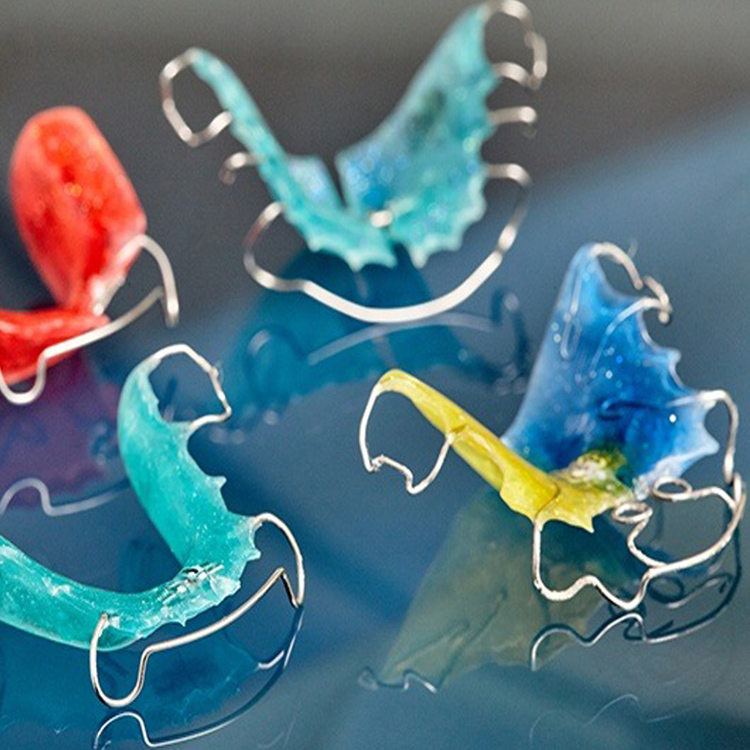
Finally, there are variations of palatal expanders: Fixed vs. Removable Expanders.

Some examples include: Haas Expander, Hyrax Expander, Quad Helix, Schwartz Appliance.

What are the steps involved in the treatment?

  • Evaluation: X-rays, dental impressions and in mouth scans will all be completed to assess if palatal expansion is appropriate.
  • Custom Production: The expander will be made specifically for your dental arch.
  • Placement: They are usually glued onto the upper molars.
  • Activating: The parents or orthodontist use a small key to activate the screw mechanism (for RPE), or the appliance is built to activate progressively (SPE).
  • Phase of retention: Once the appropriate amount of expansion has happened the appliance will stay in place for months to allow for a new bone to form and stabilize.

What are the benefits?

  • Intercept early with bite corrections.
  • Prevent overcrowding from happening in the future.
  • Create better facial symmetry.
  • Promote better breathing and sleep quality.
  • Less tooth extractions or surgical corrections needed in the future.
  • Encourage healthy oral function


Why is it better than alternative treatments?

Palatal expanders address skeletal problems and are more efficacious during growth years of the child, during which the palatal sutures are not fused at that time. This makes them superior for early intervention, reducing the complexity and duration of later orthodontic treatments.

How long does it last?

Active phase of expansion takes typically:

  • Rapid Expander: 2 - 3 weeks.
  • Slow Expander: 2 - 3 months.

Retention phase can take about 6 months and is based on stability. With proper care, the appliance remains functional throughout this period.


How long does the procedure take?

The initial fitting and placement takes anywhere from 30 - 45 mins.

The duration of expansion and retention phases are different:

●     RPE: Total time: 4-6 months;

●     SPE: Total time: 6-8 months;

Follow-up visits are planned every 2-4 weeks for monitoring purposes.

How much do palatal expanders cost in India?

In India, palatal expander treatment costs roughly between ₹15,000 to ₹35,000 depending on:

  • The type of expander used.
  • The location and city the clinic is in.
  • The orthodontist's experience.
  • Additional diagnostic procedures.

Tier-1 cities may charge more, while treatment in a smaller town may be less expensive.


What are the Risks and Complications?

Although it is generally safe, there may be risks or complications that include:

  • Mild discomfort or pressure at first.
  • Temporary difficulty speaking.
  • Excessive drooling.
  • Difficulty with oral hygiene.
  • Gaps between the front teeth (temporary and expected).
  • Appliances may come loose if not cared for properly.

Severe complications are rare if the treatment is overseen by an experienced orthodontist.

What are the Disadvantages?

  • Requires strict hygiene protocols.
  • May temporarily affect speech.
  • Parental involvement is important with RPE.
  • May not be indicated once jaw growth is complete.
  • Children may need time to get used to expanders and treatment.
  • However, the advantages often outweigh the negatives if treatment is provided at the right age.

What are the Alternatives?

  • Braces to straighten teeth (not suitable for skeletal expansion).
  • Tooth extraction to manage crowding (less than ideal).
  • Surgical expansion (SARPE) for adults when growth is complete.
  • Clear aligners with limited applicability for early interceptive treatment.
  • Palatal expanders continue to be the gold standard for skeletal corrections during the growth phase.


How To Care For Yourself Post-Treatment?

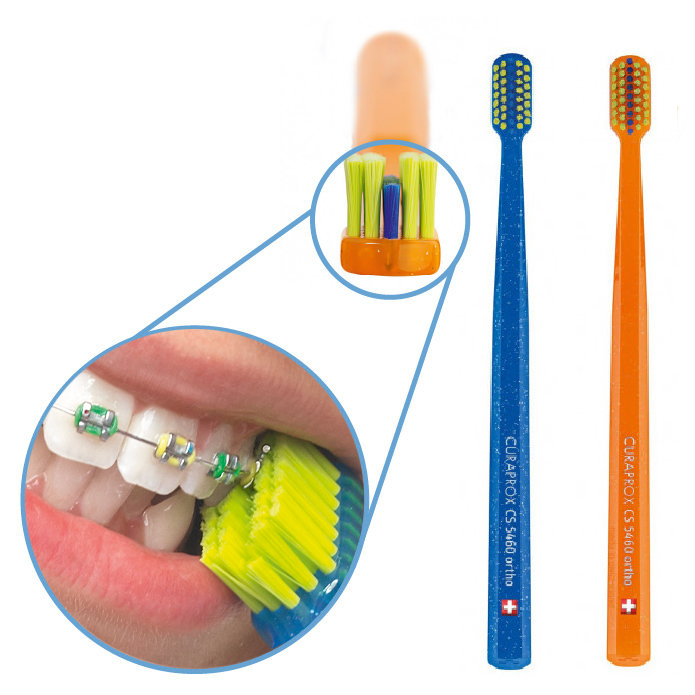
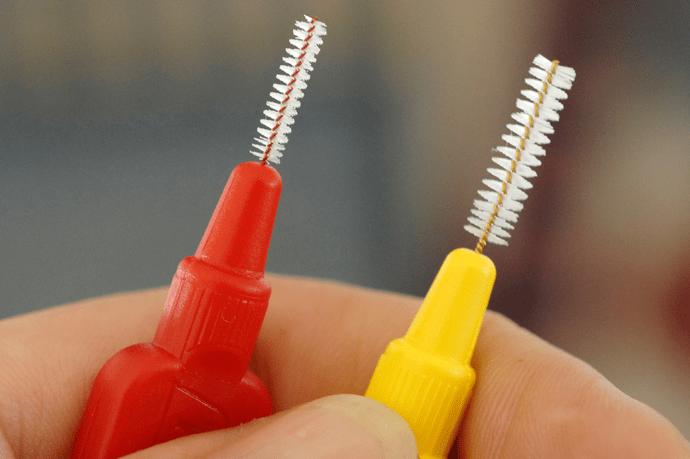
  • Maintain oral hygiene by using soft toothbrushes and a water flosser.
  • Avoid sticky, hard, or chewy foods.
  • Pay attention to signs of irritation or loosening.
  • Follow all instructions for activation and follow-up.
  • Encourage routine visits to the dentist for adjustments and retention check-up.
  • After appliance removal, patients typically wear a retainer or move directly to braces based on the overall plan of care.


Related Articles

Load More Articles

Our Store

Call Us Make an Appointment