loader

Precision Attachments.

Home› Treatments› Precision Attachments.
Precision Attachments. Treatment
Watch Video
Reviewed by Dr. Seby Varghese

Fast Facts

99% say it's "Worth It"
35000/- to 120000/-
Longevity: With proper care, precision attachments should last anywhere from 8-15 years.
Duration: 4 to 6 weeks.

Precision attachment

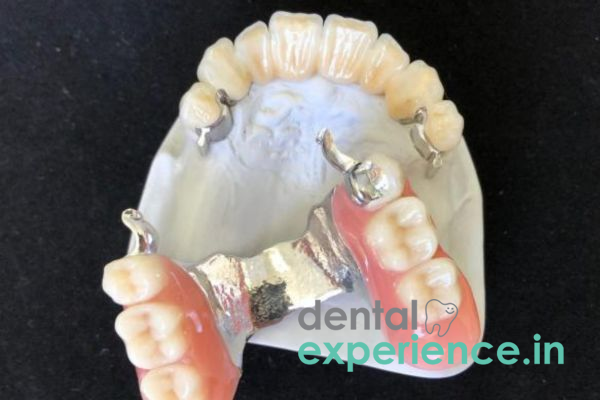
Precision attachment dentures offer a discreet and secure way to replace missing teeth, combining functionality with a natural appearance.

Ask Your Question
Share this page
What are Precision Attachments?

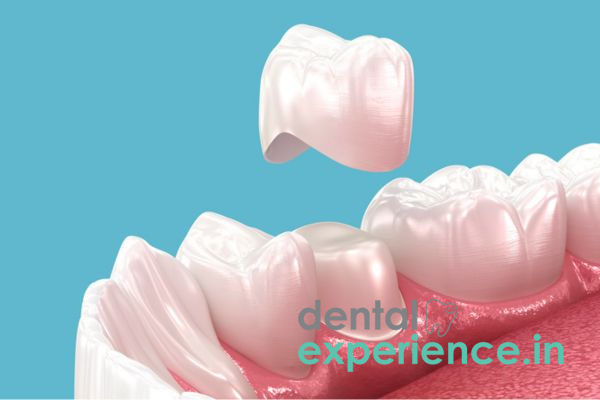
Precision attachments are mechanical interconnections used in prosthodontics, particularly removable partial dentures (RPDs). These tiny interlocking mechanisms link removable prostheses to fixed crowns or bridgework, leading to improved retention, esthetics, and comfort. They were designed to be discreet and provide efficient, modern replacements for missing teeth while preserving surrounding structures of the dentition. Their use with advanced dental prosthetics has aided in restoring function and esthetics associated with partial edentulism.

Why is it needed?

The purpose of precision attachments is to improve the fit and function of removable dentures by eliminating the display of visible metal clasps, which are used in conventional partial denture designs. They also provide improved retention, reduce the stress placed on abutment teeth, and better overall oral function, comfort, and esthetics of the denture. Precision attachments also distribute occlusal forces evenly on the abutment teeth and allows movement in various planes. As a result, the life of the framework and supporting teeth are improved.

Who should consider it?

Precision attachment dentures are ideal for:

  • Patients who are partially edentulous who desire better aesthetics than clasp retained dentures.
  • Patients who have strong and healthy abutment teeth and supporting periodontal tissues.
  • Patients who cannot have implants or fixed bridges due to medical reasons, or who refuse.
  • Patients who want a removable denture but want it to be more stable, functional and has longer-lasting outcomes.
  • Those who would rather have a less invasive and more hygienic option than traditional full dentures.

What are the different types?

There are many kinds of precision attachments, categorized as follows:

  • Intracoronal attachments: Placed in the crown for a natural appearance that offers internal retention.
  • Extracoronal attachments: Placed outside of the crown and normally easy to fabricate or do adjustments.
  • Rigid attachments: The stability is fixed with no movement.
  • Resilient attachments: Allow some movement to relieve stress and improve comfort.
  • Bar attachments: Used when multiple teeth are lost and replaced, the prosthesis would attach to a bar connecting the abutments.

Each type is selected according to the patient, the oral environment, and the design for the prosthesis.


What are the steps involved in the procedure?

The procedure for precision attachments involves several careful steps:

  • Consultation and assessment of the condition of the oral environment, strength of the abutment teeth, and needs of the patient.
  • Tooth preparation: Abutment teeth are prepared for crowns or bridges.
  • Taking impressions: Mold for fixed and removable components.
  • Creating the crowns and attachments: The lab would design the crowns and attachments.
  • Try in: Check for fit, function, and esthetics before cementation.
  • Final appointment: Cement the crowns, fit the removable partial denture.
  • Post treatment adjustments for best comfort and function.

What are the benefits?

Some of the benefits are:

  • Superior esthetic with no visible clasps.
  • Better retention and stability.
  • Comfortable and natural fit.
  • Better distribution of occlusal forces.
  • Better hygiene as it is removable.
  • Possibly preserve the remaining teeth longer.

Why are precision attachments better than other options?

What makes it better than conventional partial dentures, or fixed bridges are:

  • Esthetically better: No visible metal components.
  • Better functional: It mimics the lateral and medial movement of the natural tooth.
  • Versatile design: The design is very versatile so it is useful in complex situations.
  • Long-term value: durably made and easy to maintain.
  • Conservativeness: conserves more tooth structure compared to fixed bridges.

How durable are the results?

With proper care, precision attachments should last anywhere from 8-15 years. Like any type of denture, a prosthesis may need replacement or re-lining after some time. However, attachments can perform much longer, especially if designed using quality materials. As long as regular visits are maintained and if there is any wear or loss of relationship, then this can be tracked over time as well.

How long will treatment takes?

Treatment should take approximately 4-6 weeks depending on the complexity of the case:

  • Tooth preparation and impression: 1 or 2 appointments.
  • Laboratory preparation time: up to 2-3 weeks.
  • Insertion and adjustments: 1 or 2 appointments.

In some cases, patients may need a trial denture period with their gingival temporaries before the final work is complete.

How much does precision attachment cost in India?

In India, the precision attachment dentures will typically cost between ₹35000-₹120000 or more depending on:

  • The style of attachment system.
  • Number of tooth replacements.
  • The quality of materials and lab costs.
  • The area and reputation of the clinic.

What are the risks and complications?

Possible complications may include:

  • The attachment may wear and deteriorate over time.
  • Difficult to maintain if oral hygiene is not maintained.
  • Carious lesions of the abutment tooth may occur if not sealed or cleaned.
  • Fracture or loosening may occur with the prosthesis.
  • Need for reassessment since bone resorption occurs over time.
  • These risks are controllable by taking care of your dentures and getting periodic dental check-ups.

What are the disadvantages?

  • Costlier than a conventional denture.
  • Longer treatment time.
  • Abutment teeth must adequately support the purpose.
  • Slightly complex maintenance for elderly or differently-abled patients.
  • The attachment may need to be replaced at some point.

What are the alternatives of precision attachment?

Patients may consider:

  • A conventional removable partial denture – Less costly, but using clasps that are visible.
  • A fixed bridge – As long as the adjacent teeth are in good shape, but the abutment teeth will be ground down.
  • An implant – A permanent solution; however, not everyone is able to receive them because of cost, bone loss or a medical reason.
  • Implant-supported overdentures - It combines both modalities but requires invasive surgical procedures.


How to care after the precision attachment treatment?

  • Proper aftercare in order to get the best result from the precision attachments:
  • Daily cleaning using a soft brush and denture cleaner.
  • Avoid sticky or hard food that could stress the prosthesis. 
  • Routine dental hygiene appointments every 6 months or so.
  • Understand how to put on and take off the prosthesis avoiding damaging an attachment.
  • Consider the possibility of maintenance or replacement should any of these components wear.
  • Patient education is important for long lasting success.

Related Articles

Load More Articles

Our Store

Call Us Make an Appointment