loader

Removable Partial Denture

Home› Treatments› Removable Partial Denture
Removable Partial Denture Treatment
Watch Video
Reviewed by Dr. Seby Varghese

Fast Facts

99% say it's "Worth It"
3000/- to 25000/- (upto 3 teeth)
Longevity: Long-term
Duration: 2-3 sittings (45 minutes each)

What is Partial Denture Treatment?

Partial Denture Treatment is a customized dental solution designed to replace one or more missing teeth in either the upper or lower jaw. This treatment not only restores your smile but also improves your ability to chew and speak effectively. Our dedicated dental experts in Kochi, Kerala, are committed to providing tailored solutions to ensure comfort and functionality.

Ask Your Question
Share this page
What is Removable Partial Denture?

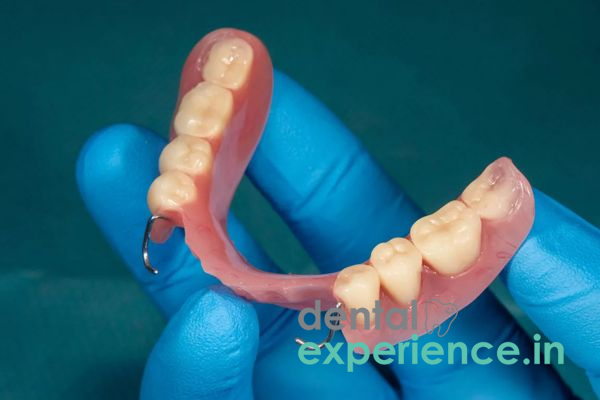
Removable Partial Dentures (RPDs) are dental devices that are designed specifically for patients who have lost one or more teeth, but still retain some natural teeth. RPDs can be removed and inserted by the patient and are a great option for replacing teeth because they are flexible, economical, and easy to clean. RPDs are a very important part of modern prosthodontics. It can allow for restoration of function, aesthetics, and self-esteem in patients suffering from tooth loss.

Why are RPDs needed?

The main goal of RPD is to restore the patient's missing teeth without compromising the remaining natural dentition. RPDs restore a patient's ability to chew, speak, and appear natural while also preventing other teeth from shifting from their ideal position. RPDs are particularly beneficial as they can help maintain facial height and symmetry while also allowing for the chewing forces to be balanced side to side. Otherwise, the imbalance in forces can lead to TMJ disorders temporarily, or more tooth loss permanently.

Who might benefit from RPDs?

RPDs would be appropriate for:

  • Adults have lost multiple teeth but have retained some natural teeth that are periodontally stable.
  • Patients who are not medically and/or financially eligible for fixed bridges or implants.
  • Elderly patients who want to avoid surgical care for tooth replacement.
  • Younger patients with periodontally progressive disease who would be better served with an RPD rather than a long-term fixed option.
  • Patients needing a temporary prosthesis while waiting for a more permanent treatment option.

What are the different types of RPDs?

RPDs come in a variety of types each accommodating the specific clinical needs of individuals:

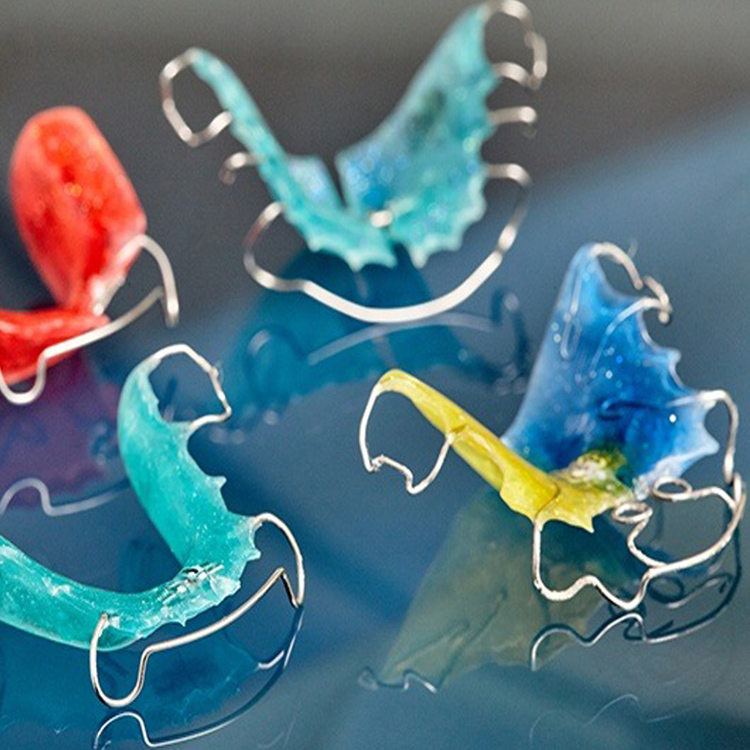
  • Acrylic Partial Denture - made of acrylic resin, typically are used as interim or transitional prosthesis.
  • Cast Metal Partial Denture -  Provides improved fit. strength and durability with a metal framework.
  • Flexible Partial Denture - Made from flexible thermoplastics (Valplast, etc.) is comfortable, offers a better aesthetic.
  • Combination Denture -  Combines metal frameworks with acrylic teeth; may include precision attachments.

Each type will vary in cost, durability, comfort, and aesthetics. It is essential to determine which is best for your oral condition and preferences.


What are the steps involved in the procedure?

  • Initial Consultation and Oral Exam: Assessing your missing teeth, oral health and suitability for RPD.
  • Taking Impressions and Registration of the Bite: Taking impressions of the upper and lower arches to make the best fit.
  • Framework Try-In (if applicable): Trying on a metal framework before the addition of teeth.
  • Trial Denture: The denture is mock-up in wax to assess aesthetics, fit, and bite.
  • Final Denture Insertion: The manufacturing of the denture is complete and entirely satisfactory to the patient.
  • Adjustments and Follow Up: Any required adjustments are arranged to enhance comfort and function. The full process may range from three to five appointments, depending on the complexity and denture type.

What are the benefits of RPDs?

  • The RPD restores the ability to chew food, and improves clarity in speech.
  • The RPD improves facial aesthetics by supporting cheeks and/or lips that may have sunk due to missing teeth.
  • The RPD may enhance a person's smile where natural appearance and function have been restored.
  • The RPD prevents remaining adjacent teeth from shifting to preserve occlusion.
  • The RPD is non-invasive and reversible and is best suited for patients preferring to avoid surgical invasive approaches.

What makes it better than other options?

  • RPDs have the following benefits as compared to fixed prostheses:
  • Lower costs, in comparison to dental implants or dental bridges.
  • Shorter turnaround in fabrication and insertion, especially in situations with immediate needs.
  • Ability to add additional teeth in the future without the requirement for a whole new denture.
  • No need to grind natural teeth for some forms of bridgework.
  • Can be a viable option for patients with residual bone loss and/or compromised ridges.

How long do removable partial dentures last?

With proper care, a high-quality removable partial denture may last anywhere from 5 to 10 years. Factors influencing the lifespan includes:

  • Quality of material (i.e.: metal, acrylic, flexible).
  • Oral hygiene practices. Changes in the remaining teeth and oral tissues.
  • Regularity of wear and care.
  • The changes in mouth over time will lead to the need for relining and maintaining your denture periodically.

How long is the procedure?


The total timeframe for treatment is anywhere between 2 to 6 weeks, depending on:

  • Selected type of denture.
  • Complexity of the case.
  • Lab technician's turnaround times.
  • Need for healing due to recent extractions.

A little adjustment time may be required to get used to the denture, and the new feel and function of the appliance.

How much does RPDs cost in India?

What is the cost of RPDs?

The average cost of removable partial dentures varies greatly depending on:

  • Materials being used (whether acrylic, cast metal or flexible).
  • Type of denture and the number of teeth being replaced.
  • City and clinic reputation.

Approximate cost range:

  • Acrylic RPD: ₹3,000 – ₹7,000.
  • Cast Metal RPD: ₹8,000 – ₹20,000.
  • Flexible Denture: ₹10,000 – ₹25,000.

More complicated cases and premium options will cost more, especially in larger metropolitan cities.

What are the risks and complications?

RPDs are usually safe but there are some possible complications or concerns, including:

  • Gum irritation/soreness when first placed.
  • Difficulty speaking or eating only during the adaptation stage.
  • Property loss (like breakage or loosening) if treated improperly.
  • Plaque accumulation if cleanings do not occur.
  • Risk for allergic reaction in people with metal sensitivities.
  • Regular visits to your dentist will help minimize problems and lengthen the life of your denture.

What are the disadvantages?

RPDs, like other dental prostheses, do have drawbacks or limitations:

  • Less stable than fixed bridges or fixed dental implants.
  • Mildly uncomfortable or feel foreign body sensation.
  • Requires daily removal and cleaning.
  • Regular adjustments to fit oral tissue or future tooth replacement needs.
  • Acrylic and flexible dentures can break down over time from chewing pressure.

In spite of some limitations, affordability and relative convenience make RPDs a good treatment option for a lot of patients.

What are the alternatives?

Some common alternatives include:

  • Fixed Dental Bridges: Best option when there are adjacent teeth suitable for a prosthesis.
  • Dental Implants: Best alternative because of permanence and stability, but cost and surgery needs to be considered.
  • Complete Dentures: Can place when there are no remaining teeth in the arch.
  • Resin-bonded bridges (Maryland bridges): Provides a way to replace teeth in younger patients.

The suitability of the alternatives would allow the patient to see pros/cons of each and compare the value to the condition of their oral health, their preferences, and their price point.

How to take care of RPDs?

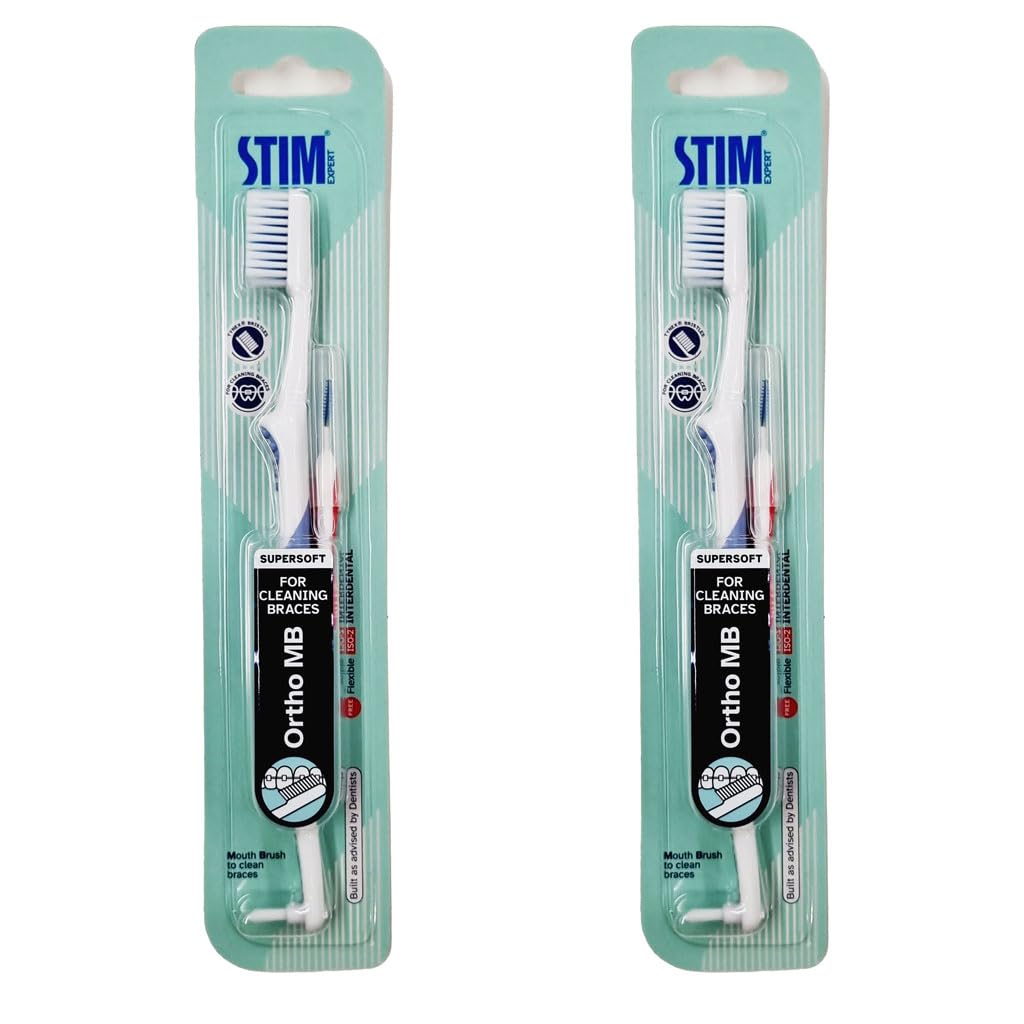
  • You should remove your RPD, and rinse it off (with a soft denture brush and a non-abrasive cleaner) after every meal to keep the denture clean.
  • Soak it overnight in a denture cleansing solution.
  • Do not use hot water on your denture (that can warp it).
  • Try to handle the denture nicely and do not ever plunge it or drop it accidentally.
  • Maintain the hygiene of your remaining natural teeth.
  • Be sure to go to your dentist every 6 months or more frequently for check-ups and adjustments.

Our Store

Call Us Make an Appointment